 English
 Español
 Français
Industry News
In the world of modern flooring, realistic textured vinyl flooring has emerged as a premier choice for homeowners and designers seeking the perfect blend of aesthetics, durability, and practicality. This innovative material masterfully replicates the look and feel of natural wood, stone, or ceramic, while offering superior performance characteristics that natural materials often cannot match [1]. As a specialist in exporting high-quality building materials, Wuxi Re-Home New Materials Co., Ltd understands the nuances that make this product category so valuable for international markets. This comprehensive guide will delve into the benefits, types, selection criteria, and maintenance of realistic textured vinyl, empowering you to make an informed decision for your next project.
Why Choose Realistic Textured Vinyl Flooring?
The appeal of realistic textured vinyl flooring extends far beyond its visual charm. It represents a significant advancement in flooring technology, designed to meet the demands of contemporary living.
Unmatched Aesthetic Versatility
Gone are the days of flat, plasticky-looking vinyl. Today's high-definition printing and advanced embossing techniques allow for stunning realism.
- Depth and Detail: The texture is precisely aligned with the printed design (a process known as embossed-in-register), creating a tactile experience that mirrors real wood grain, stone pits, or slate grooves [2].
- Vast Design Library: Options range from rustic oak and weathered barnwood to elegant marble and travertine, fitting any design aesthetic from classic to contemporary.
Superior Durability and Performance
This flooring is engineered for longevity and resilience, making it ideal for high-traffic areas. Studies on material performance consistently rank rigid core vinyl among the top choices for residential durability [3].
- Waterproof and Moisture-Resistant: Unlike laminate or hardwood, quality vinyl plank flooring is inherently waterproof, protecting against spills, humidity, and moisture from subfloors.
- Scratch and Stain Resistance: A robust wear layer acts as a shield against daily wear, scratches from pets, and most common household stains.
- Comfort and Sound Absorption: Softer underfoot than tile or stone, it also helps dampen sound, contributing to a quieter indoor environment.
Practical Installation and Maintenance
Ease of installation and low maintenance are key selling points that contribute to its growing popularity. The development of click-lock systems has significantly increased the accessibility of professional-grade installations for DIY projects [2].
- Flexible Installation Methods: Many products feature click-lock systems for easy floating floor installation, suitable for DIY enthusiasts.
- Simple Cleaning Routine: Regular sweeping and occasional damp mopping with a pH-neutral cleaner are typically all that's required to keep it looking new.
Exploring Key Types of Realistic Textured Vinyl
Understanding the different product formats is crucial to selecting the right floor for your specific application and performance needs.
Luxury Vinyl Plank (LVP)
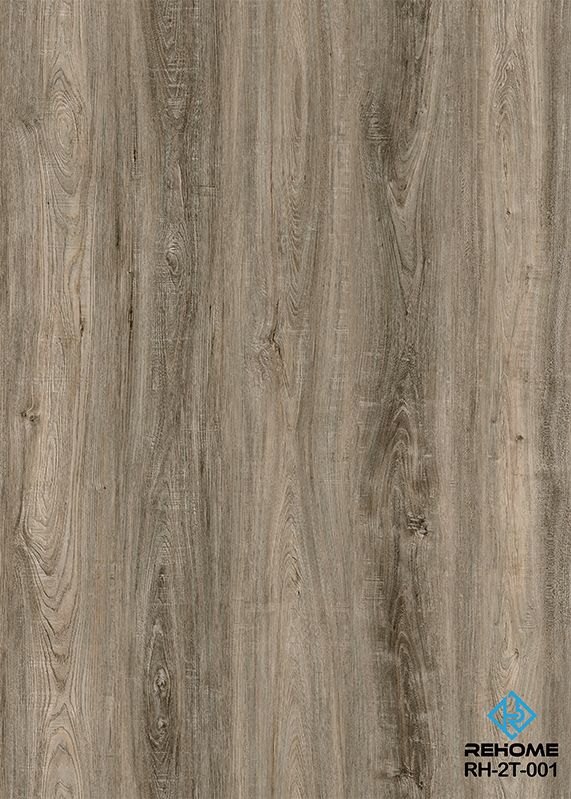
Luxury Vinyl Plank is designed to mimic hardwood planks. It is the go-to choice for achieving a warm, woody aesthetic with superior water resistance.
- Best for: Living rooms, bedrooms, kitchens, and basements where the look of wood is desired but moisture is a concern.
- Key Feature: Often features beveled edges to enhance the realistic appearance of individual planks.
Luxury Vinyl Tile (LVT)
Luxury Vinyl Tile replicates the look of natural stone or ceramic tiles. It offers the elegance of stone without the cold, hard surface and is noted for its contribution to creating healthier indoor environments due to its low VOC emissions when certified [1].
- Best for: Entryways, bathrooms, kitchens, and commercial spaces seeking a high-end, stone-like appearance.
- Key Feature: Available in larger tile formats and often features through-body color variations for added realism.
Comparison: Key Performance Attributes
When choosing between product types for specific applications, consider these core performance factors. For instance, while both LVP and LVT are excellent, their optimal use cases can differ based on texture and design.
| Feature | Luxury Vinyl Plank (LVP) | Luxury Vinyl Tile (LVT) |
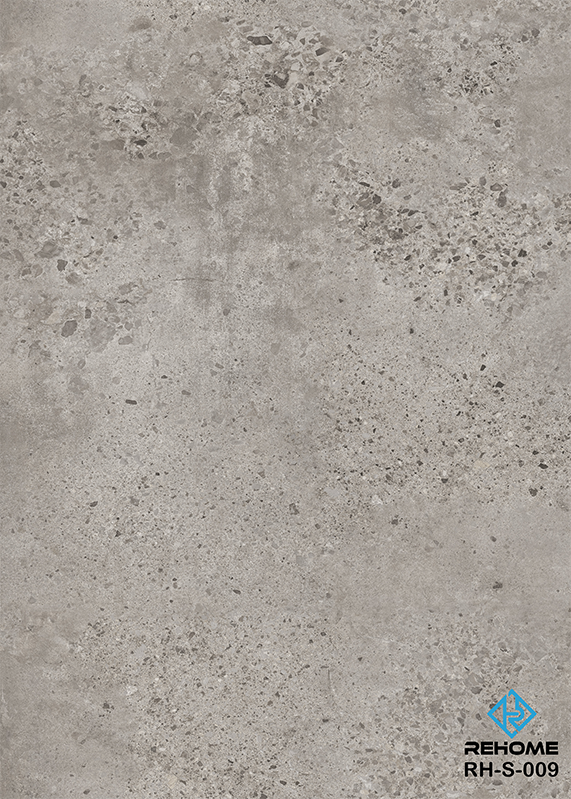
| Primary Aesthetic | Wood grains, rustic or modern finishes | Stone, marble, slate, concrete finishes |
| Texture Commonality | Embossed wood grain, wire-brushed, hand-scraped | Pitted stone, polished smooth, slate grooves |
| Ideal Room Application | Residential living areas, bedrooms, basements | Bathrooms, kitchens, entryways, commercial lobbies |
| Underfoot Comfort | Generally warmer and softer than tile | Softer and warmer than actual stone or ceramic |
Critical Selection Criteria for Your Project
Not all vinyl flooring is created equal. To ensure you invest in a product that will perform for years, pay close attention to these specifications, which are often detailed in industry technical comparisons [3].
Wear Layer Thickness
The wear layer is a clear, protective coating on top of the vinyl. Its thickness (measured in mils) directly correlates with durability.
- 6-12 mil: Suitable for residential bedrooms and low-traffic areas.
- 12-20 mil: Good for general residential use in living rooms and kitchens.
- 20+ mil: Recommended for busy households with pets/kids and light commercial use.
Core Construction Type
The core provides stability and determines the floor's water resistance and installation method.
- Rigid Core (SPC/WPC): Offers superior dimensional stability, is 100% waterproof, and is ideal for areas with temperature fluctuations or moisture. This is a core technology Wuxi Re-Home New Materials Co., Ltd specializes in, particularly for demanding international markets.
- Flexible Vinyl: More traditional, offers good comfort underfoot but is less rigid.
For those researching specific applications, understanding the nuances of core types is vital. For example, a rigid core vinyl flooring for high humidity areas like basements or bathrooms is non-negotiable for long-term performance. SPC (Stone Plastic Composite) core, in particular, is extremely dense and stable, making it an excellent choice for such environments.
Texture and Finish
The texture contributes to both aesthetics and safety. A matte, textured finish not only enhances realism but also improves slip resistance, a key consideration in safety standards for flooring [2].
- Embossed-in-Register (EIR): The highest standard, where the texture perfectly follows the print for ultimate realism.
- Matte/Textured Finish: Helps hide scratches, dust, and footprints better than high-gloss finishes and provides better slip resistance.
Addressing Common Concerns and Questions
Choosing a new floor involves careful consideration. Here we address some frequent topics of inquiry.
Vinyl Flooring in Moisture-Prone Areas
One of the most common questions revolves around water exposure. While the vinyl itself is waterproof, installation is key. Market analyses confirm that waterproof claims are a primary driver in the growth of the LVP/LVT segment in residential renovations [3].
- Proper Installation is Crucial: Ensuring a fully sealed floating floor or using moisture-cure adhesives in glue-down applications prevents water from seeping underneath.
- Core Matters: A rigid SPC core is completely impervious to water, unlike some wood-based cores in other flooring types.
Therefore, when considering waterproof vinyl plank options for bathrooms, you must verify both the product's waterproof claims and plan for a proper installation method to protect the subfloor.
Compatibility with Underfloor Heating
Modern vinyl flooring is often compatible with radiant heating systems, but specifications must be checked.
- Check Manufacturer Guidelines: Always confirm the maximum allowable surface temperature for the specific product.
- Stability is Key: Rigid core products (SPC/WPC) are typically excellent choices as they resist expansion and contraction from heat.
For projects involving heated floors, seeking out textured vinyl flooring suitable for underfloor heating with explicit manufacturer approval is a necessary step in the specification process.
Long-Term Value and Durability
Durability extends beyond just scratch resistance. A key aspect of longevity is how well the floor maintains its appearance over time, especially in high-traffic zones like kitchens. This is where surface texture plays a pivotal role. A durable textured vinyl for high traffic kitchens will typically feature a thicker wear layer (20+ mil) and a pronounced matte, textured finish that effectively conceals the micro-scratches and scuffs inevitable in a busy cooking space, compared to a smooth, glossy finish which might show every mark. This balance of physical durability and visual longevity is a central theme in sustainable material selection [1].
Installation Overview and Best Practices
A successful installation ensures the floor performs as intended. Most modern realistic textured vinyl uses a floating floor method.
Essential Subfloor Preparation
The subfloor must be clean, dry, and level. Any imperfections can telegraph through the new vinyl floor. Industry guidelines emphasize that over 80% of installation complaints can be traced back to inadequate subfloor preparation [2].
- Moisture Test: Conduct a moisture test for concrete subfloors.
- Leveling: Use a self-leveling compound to fill dips and grind down high spots.
Acclimation and Installation
Allowing the flooring to acclimate to the room's temperature and humidity for 24-48 hours before installation is critical. During installation, maintaining the recommended expansion gap around the room's perimeter is essential to allow for natural movement. For those seeking a specific visual effect, such as a seamless, modern look, understanding pattern options is important. While random plank layout is common, a best pattern for realistic wood look vinyl plank installation often involves a "random stagger" with varying plank lengths, avoiding predictable "H-joints," to best mimic the authentic, non-repetitive appearance of real hardwood flooring.
Caring for Your Realistic Textured Vinyl Floor
Proper maintenance is simple but vital for preserving the floor's beauty. Simple, chemical-free cleaning methods are recommended to preserve the integrity of the wear layer and maintain indoor air quality [1].
- Daily/Weekly: Sweep, dust mop, or vacuum (with a hard-floor setting) to remove abrasive grit.
- Periodic Cleaning: Damp mop with a mild, pH-neutral cleaner specifically designed for vinyl. Avoid abrasive scrubbers, steam mops, or wax-based products.
- Protection: Use felt pads under furniture legs and avoid dragging heavy appliances across the floor.
Realistic textured vinyl flooring stands as a testament to innovation in the building materials industry, offering an unparalleled combination of beauty, resilience, and value. For architects, contractors, and homeowners in markets like Europe and North America, it solves the perennial challenge of finding a floor that is both aesthetically pleasing and intensely practical. Companies like Wuxi Re-Home New Materials Co., Ltd, with their focus on certified, high-quality products and a deep understanding of export requirements, are pivotal in bringing these advanced flooring solutions to a global audience. By considering the factors outlined in this guide—from wear layer and core type to texture and installation—you can confidently select a floor that will enhance your space for years to come.
Frequently Asked Questions (FAQ)
1. Is realistic textured vinyl flooring truly waterproof?
Yes, high-quality luxury vinyl plank and tile with a rigid core (like SPC or WPC) are 100% waterproof. The vinyl material itself does not absorb water, making it an excellent choice for bathrooms, kitchens, and basements. However, proper installation is key to preventing water from seeping underneath the floor at the seams or edges.
2. Can I install textured vinyl flooring over my existing tile or vinyl floor?
Often, yes. It can be installed over most hard, flat, and securely bonded existing floors as a floating floor, which is a major advantage for renovation projects. The critical requirements are that the existing floor is perfectly clean, level, and free of moisture issues. A manufacturer-approved underlayment may be required.
3. How does the durability of textured vinyl compare to real hardwood?
While hardwood can be sanded and refinished multiple times over decades, vinyl flooring offers superior resistance to daily wear factors in the short to medium term. It is much more resistant to scratches, stains, and moisture damage. The trade-off is that once the wear layer of vinyl is compromised, it cannot be refinished like wood can.
4. Will the textured surface make the floor harder to clean?
Not at all. In fact, a lightly textured, matte finish is often easier to maintain as it is better at concealing dust, dirt, and small scratches compared to a smooth, glossy surface. Regular sweeping and damp mopping are sufficient. The texture does not trap dirt when cleaned properly.
5. What certifications should I look for when purchasing vinyl flooring for export markets?
For compliance and safety in international markets like Europe and North America, key certifications include CE (Conformité Européenne) for the European Economic Area, and SGS or ITS reports which verify product performance, safety, and low emissions (like FloorScore or phthalate-free certifications). These ensure the product meets strict health, safety, and environmental standards.
References
[1] American Society of Interior Designers (ASID). (2023). *Trends in Sustainable and Resilient Flooring Materials*. ASID Publications.
[2] National Wood Flooring Association (NWFA). (2022). *Technical Comparison: Engineered Surfaces vs. Natural Wood & Installation Best Practices*. NWFA Guideline Document.
[3] European Federation of the Parquet Industry (FEP). (2023). *Market Report on Laminate & Resilient Flooring Performance Standards and Growth Drivers*.