English
 Español
 Français
Home / News / Industry News / What Makes Anti-slip SPC Click Flooring the Ideal Choice for High-Moisture Environments?
Industry News

The flooring market is increasingly focused on high-performance products for high-moisture areas like bathrooms and kitchens. Anti-slip SPC click floors have gained popularity for their safety, durability, and aesthetic appeal. SPC (Stone Plastic Composite) flooring is a top choice due to its strong construction and versatility, while anti-slip treatments enhance safety in wet, high-traffic areas, making it ideal for spaces prone to moisture exposure.
Anti-slip SPC click flooring stands out in the flooring industry due to its advanced features that combine safety, durability, and aesthetic appeal. Let’s explore some of the fundamental characteristics of this flooring solution and why it is becoming increasingly popular in residential and commercial spaces, particularly those exposed to high humidity levels.
One of the most critical aspects of anti-slip SPC click flooring is its specially treated surface, designed to increase the coefficient of friction when wet. This treatment significantly improves safety, especially in areas prone to moisture, such as bathrooms, kitchens, and hallways. Unlike traditional flooring materials, which can become dangerously slippery when wet, anti-slip SPC floors ensure that foot traffic remains safe, minimizing the risk of slips and falls. This feature makes it an ideal choice for households with young children, elderly individuals, or anyone concerned about maintaining a slip-resistant environment.
The anti-slip surface treatment used on SPC flooring is typically engineered to provide optimal traction while maintaining a smooth and aesthetically pleasing appearance. This ensures that the flooring remains both functional and visually appealing, without compromising on comfort or design.
At the core of anti-slip SPC click flooring lies high-density Stone Plastic Composite (SPC), a material that combines the best of both stone and plastic for unparalleled strength and stability. SPC flooring is made by fusing limestone powder, PVC, and stabilizers, resulting in a material that is dense, rigid, and highly resistant to temperature and humidity fluctuations. Unlike traditional wood or laminate flooring, SPC is not susceptible to warping, expansion, or contraction, making it ideal for high-moisture areas.
SPC flooring’s durability also makes it resistant to dents, scratches, and stains, which are common issues with less durable materials. The material’s resistance to wear and tear ensures that it can withstand the rigors of high-traffic spaces while retaining its structural integrity and aesthetic quality for many years. Additionally, SPC flooring is known for its sound insulation properties, helping to reduce noise transmission in busy or bustling areas, such as offices or retail spaces.
One of the most significant advantages of anti-slip SPC click flooring is its innovative click-lock installation system. This system allows for a fast and straightforward installation process, eliminating the need for glue, nails, or staples. The planks simply click together, creating tight, secure seams that are virtually waterproof. This installation method is highly beneficial for both professionals and DIY enthusiasts, as it reduces labor time and minimizes the risk of errors.
The click-lock system is also designed to accommodate slight imperfections in the subfloor, making it more versatile and adaptable than other flooring options. Whether installing the flooring in a bathroom, kitchen, or living room, the click-lock system ensures a smooth and seamless installation experience. Additionally, if any tiles or planks need to be replaced, the click-lock system allows for easy removal and reinstallation, making maintenance a breeze.
Anti-slip SPC click flooring has proven to be a reliable and effective solution for areas with high moisture exposure. The combination of its moisture-resistant core, anti-slip surface, and easy installation makes it the preferred choice for residential and commercial spaces.
Bathrooms are some of the most moisture-prone areas in any home or commercial building, making them a prime candidate for anti-slip flooring. SPC click flooring, with its water-resistant core, ensures that the flooring will not swell or warp when exposed to water or humidity. The anti-slip surface treatment provides additional protection, preventing accidents caused by slipping on wet floors.
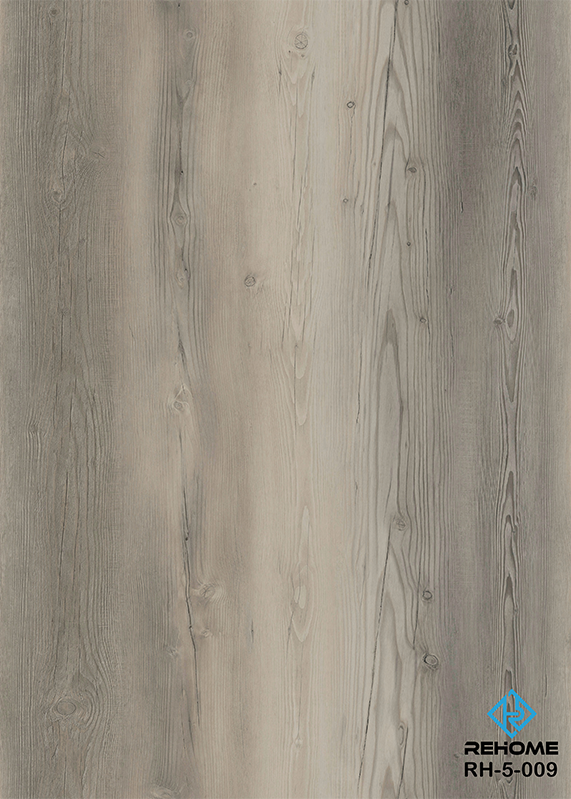
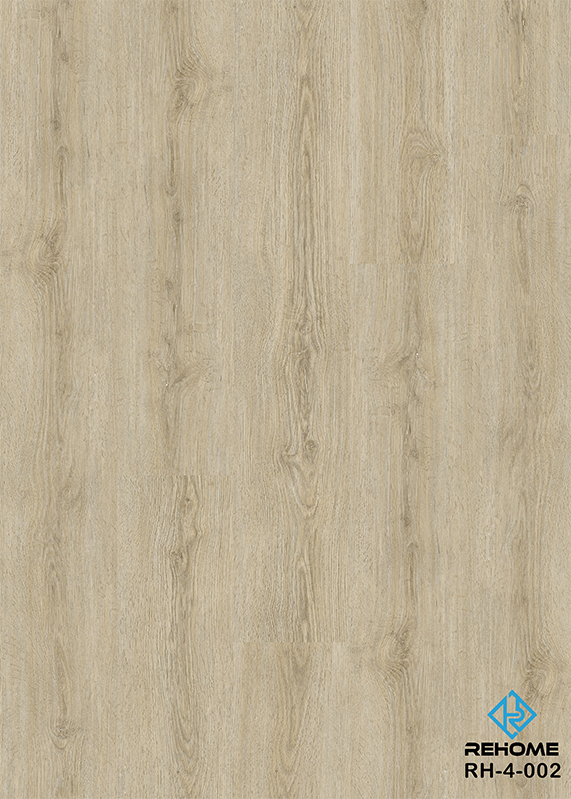
Moreover, the aesthetic appeal of SPC flooring allows homeowners and designers to create beautiful, modern bathroom spaces while maintaining safety and functionality. Whether opting for a stone, wood, or tile look, SPC click flooring offers a variety of designs that can complement any bathroom style.
The kitchen is another area that experiences frequent moisture exposure, especially around the sink, refrigerator, and stove. Anti-slip SPC click flooring offers a durable and practical solution for these high-moisture zones. Its resistance to stains, scratches, and water damage makes it an excellent choice for environments where spills are common. The flooring’s anti-slip properties also help ensure the safety of individuals working in the kitchen, where water or grease can easily cause slipping accidents.
In addition to its functional benefits, SPC click flooring’s easy maintenance ensures that kitchens stay clean and attractive with minimal effort. Regular sweeping and occasional mopping are typically all that’s required to keep the floors looking new.
Commercial spaces, such as offices, restaurants, and retail stores, require flooring solutions that can withstand heavy foot traffic while offering durability and safety. Anti-slip SPC click flooring meets these needs with ease. Its resilience to wear and tear makes it suitable for areas with high customer or employee foot traffic, such as corridors, entryways, and service counters.
In restaurants, where spills and moisture are frequent, anti-slip SPC flooring not only provides safety but also enhances the overall ambiance with its elegant and modern design. The flooring’s acoustic properties also help reduce noise in busy commercial spaces, creating a more comfortable environment for both customers and staff.
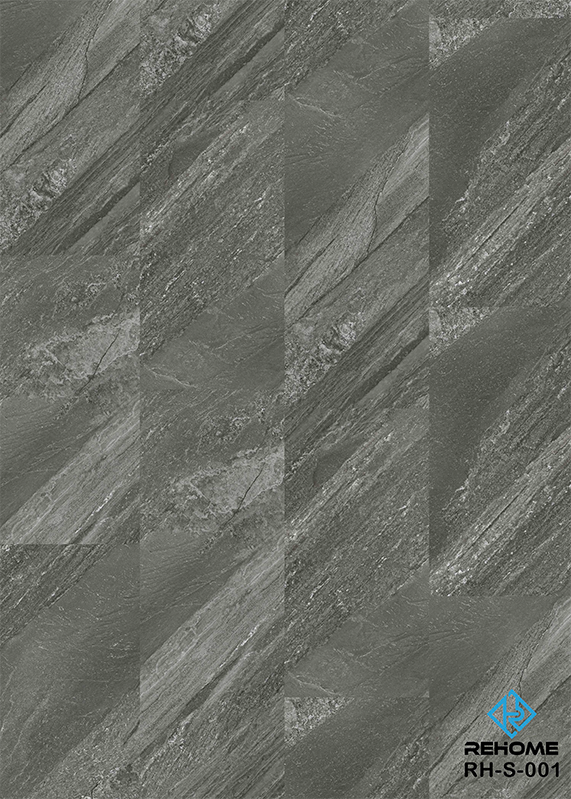
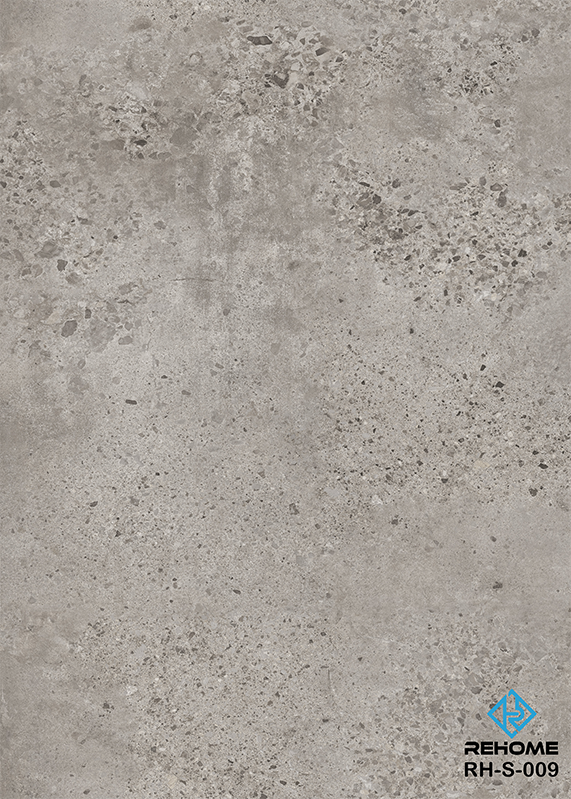
The Stone Collection Anti-slip SPC Click Floor is specifically designed for environments prone to high humidity and moisture, such as bathrooms and kitchens. This product incorporates several features that make it a standout choice for residential and commercial spaces.
| Feature | Details |
|---|---|
| Surface Treatment | Special anti-slip treatment increases friction, even when wet. |
| Core Material | High-density Stone Plastic Composite (SPC) for superior stability. |
| Installation | Click-lock system for easy installation without adhesives. |
| Surface Finish | Natural stone-like texture and appearance with a wear-resistant layer. |
| Thickness | Moderate thickness for underfoot comfort and subfloor compatibility. |
| Applications | Ideal for bathrooms, kitchens, and high-moisture environments. |
| Maintenance | No glue required, easy to clean and replace individual planks. |
When choosing flooring for moisture-prone areas, it’s essential to consider various materials to determine which best meets the needs of the space. While anti-slip SPC click flooring offers numerous benefits, it is helpful to understand how it compares with other common flooring materials. Below, we’ll examine how SPC flooring stacks up against luxury vinyl tile (LVT), traditional wood, and ceramic tiles in terms of performance, cost, aesthetics, and installation.
Both SPC and LVT (Luxury Vinyl Tile) flooring belong to the same vinyl flooring family and share many similarities, such as their resistance to moisture and ease of maintenance. However, there are distinct differences between the two.
Material Composition: While both SPC and LVT are made from PVC, SPC has a more rigid and durable core made from stone plastic composite, while LVT uses a more flexible vinyl core. The rigid core of SPC provides better dimensional stability, making it more resistant to warping under changes in temperature and humidity. LVT, on the other hand, is more flexible and softer underfoot, which can be beneficial for certain applications.
Durability: SPC is generally considered more durable than LVT due to its denser core. SPC floors are less prone to scratches, dents, and wear in high-traffic areas, making them an excellent choice for commercial environments. LVT, while durable, may not offer the same level of resistance to heavy impact and abrasive conditions.
Cost: Typically, LVT is a more budget-friendly option compared to SPC, though the price difference may vary depending on the brand, style, and thickness of the planks. SPC flooring tends to be more expensive due to its more advanced construction and added durability.
Aesthetic Appeal: Both SPC and LVT come in a wide variety of designs, including wood, stone, and tile looks. However, SPC often replicates the appearance of natural stone or hardwood more convincingly, with realistic textures and finishes. LVT is also available in these designs but may not match the level of realism offered by SPC.
Wood flooring has long been a popular choice for homeowners due to its timeless aesthetic and natural warmth. However, when comparing wood to SPC, several advantages of the latter become evident, especially in environments prone to moisture.
Water Resistance: Wood flooring is highly susceptible to water damage, which can lead to warping, swelling, and discoloration. In contrast, SPC flooring is completely waterproof, making it the better option for bathrooms, kitchens, and basements.
Durability: Wood flooring is prone to scratches, dents, and fading, particularly in high-traffic areas. SPC flooring, however, offers superior resistance to wear and tear, ensuring it remains pristine even in demanding spaces.
Maintenance: Wood floors require regular maintenance, such as refinishing, to maintain their appearance and prevent damage. In contrast, SPC flooring is virtually maintenance-free, needing only regular cleaning to keep it looking like new.
Cost: Wood flooring, especially hardwood, tends to be more expensive than SPC flooring. Hardwood floors also incur additional maintenance costs over time, which can add to their overall cost of ownership.
Aesthetic Appeal: Wood flooring is known for its natural beauty and elegance, and it can add significant value to a home. While SPC floors can replicate the appearance of wood through realistic textures and finishes, they may not have the same charm or warmth as genuine wood.
Ceramic tiles are a popular flooring option in areas like kitchens and bathrooms, known for their durability, ease of cleaning, and water resistance. However, SPC flooring offers several advantages when compared to ceramic tiles.
Comfort: Ceramic tiles are hard and cold underfoot, which can be uncomfortable, especially in colder climates. SPC flooring provides a more comfortable surface, with better cushioning underfoot. This makes SPC flooring a preferred option for areas where people spend extended periods standing, such as kitchens and living rooms.
Installation: Ceramic tiles require grout and adhesive for installation, which can be a time-consuming and labor-intensive process. SPC click-lock flooring, on the other hand, can be installed quickly and easily without the need for glue or grout, making it a more convenient option for DIYers and professionals alike.
Durability: While ceramic tiles are durable and resistant to scratches and stains, they can crack or chip when subjected to heavy impact. SPC flooring is more impact-resistant and less likely to suffer damage from dropped objects or furniture.
Water Resistance: Both SPC flooring and ceramic tiles are highly resistant to water, making them ideal for wet areas. However, ceramic tiles have grout lines that can absorb moisture over time, leading to potential mold or mildew growth. SPC flooring, being a solid surface with click-lock seams, does not have this issue.
Cost: Ceramic tiles can be costly, especially when considering the installation process, which may require professional help. SPC flooring, being relatively easy to install, reduces the overall cost of the flooring project. Additionally, SPC floors generally cost less per square foot compared to high-end ceramic tiles.
One of the main reasons why SPC click flooring is gaining popularity is the ease with which it can be installed and maintained. Below are some practical tips for installing and maintaining anti-slip SPC flooring to ensure that it continues to perform optimally for years.
1.How durable is anti-slip SPC click flooring?
Anti-slip SPC click flooring is highly durable, offering resistance to scratches, dents, and wear. Its stone-plastic composite core ensures that it remains stable and intact even in high-traffic areas.
2.Can anti-slip SPC flooring be installed in bathrooms and kitchens?
Yes, SPC flooring is waterproof, making it an ideal choice for moisture-prone areas such as bathrooms and kitchens. Its anti-slip surface further enhances safety in these environments.
3.How easy is it to install anti-slip SPC flooring?
Thanks to its click-lock installation system, anti-slip SPC flooring can be installed easily without the need for adhesives or nails. It is perfect for DIY projects or professional installations.
4.What is the maintenance required for SPC flooring?
SPC flooring is low maintenance. Regular sweeping and occasional mopping are sufficient to keep it looking new. It is resistant to stains and does not require refinishing like wood floors.
5.Is anti-slip SPC flooring eco-friendly?
Yes, SPC flooring is made from sustainable materials, including recycled limestone, and is free from harmful chemicals like formaldehyde, making it an eco-friendly flooring option.
Anti-slip SPC click flooring is a versatile, durable, and safe flooring solution that has become the go-to choice for both residential and commercial applications, especially in high-moisture environments. With its unique combination of advanced surface treatments, stone-plastic composite core, and simple installation process, it provides a reliable flooring option for homeowners, property managers, and designers alike. Whether you’re remodeling a bathroom, updating a kitchen, or outfitting a commercial space, anti-slip SPC flooring offers a lasting solution that combines safety with style.
FEEL FREE TO ASK US IN ANY OF YOUR NEED

 East Royal Building, Jiefang East Road, Yixing City, Jiangsu Province, China.
QUICK LINKS
Home Products About Re-Home Services News Contact Us Privacy
WHAT’S NEWS
Copyright © Wuxi Re-Home New Materials Co.,Ltd. Rights Reserved.