English
 Español
 Français
 Home / Products
Wholesale Digital Printing Wall Panel

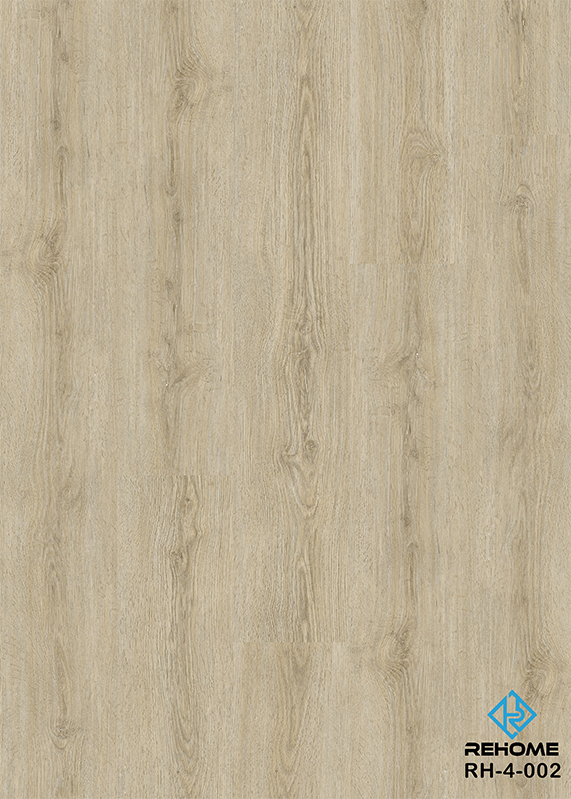
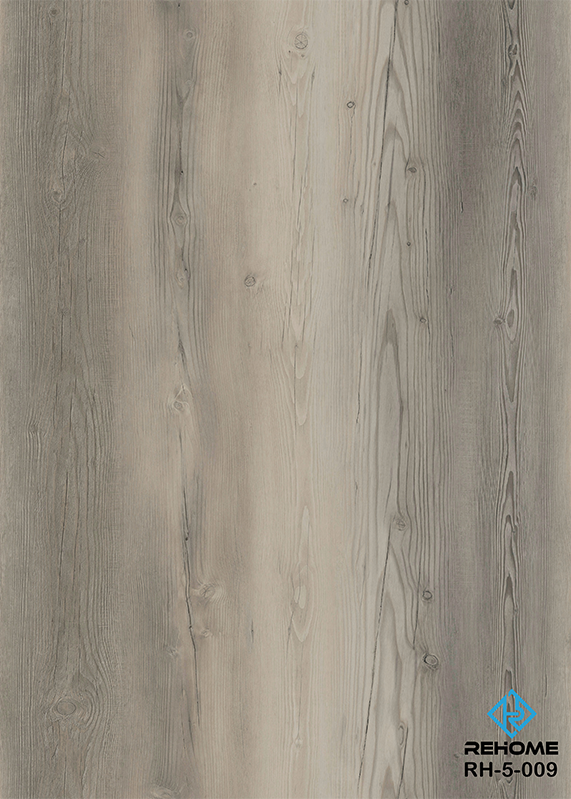
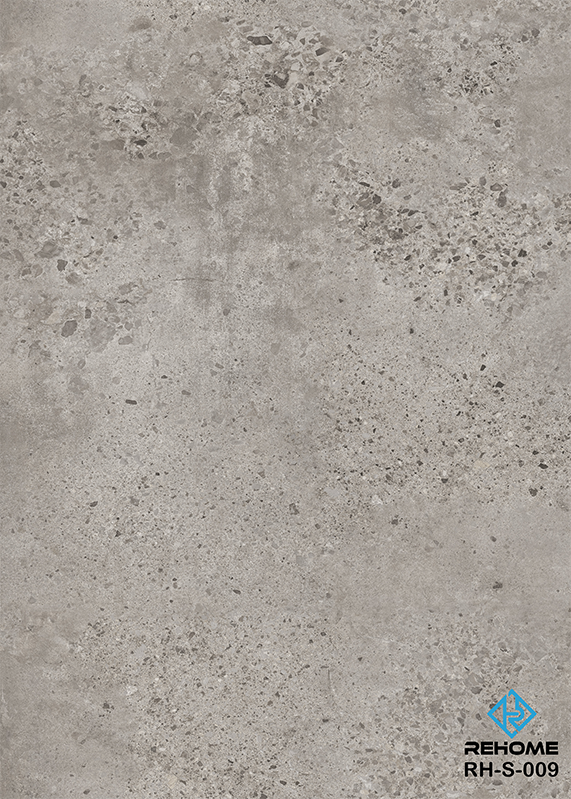
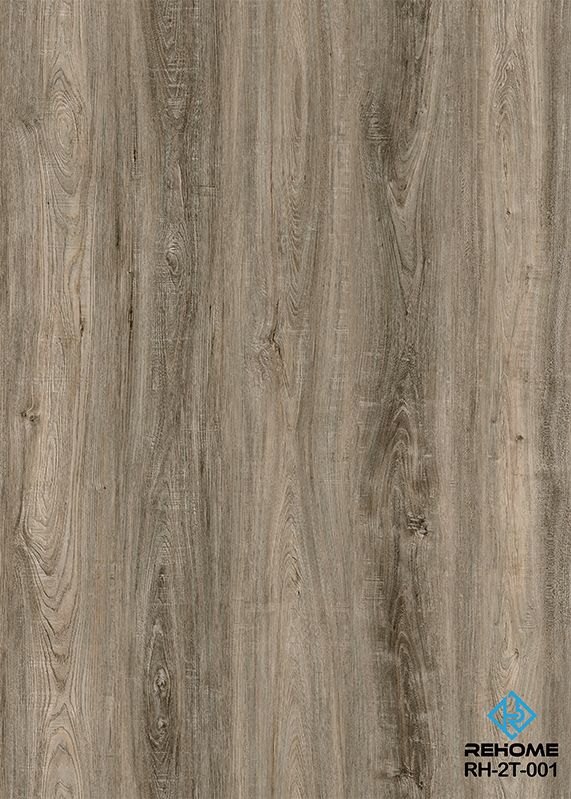
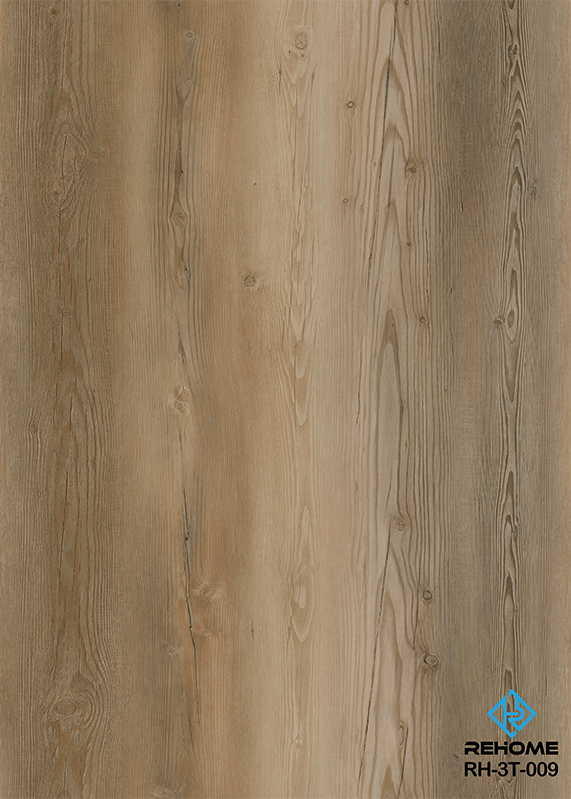
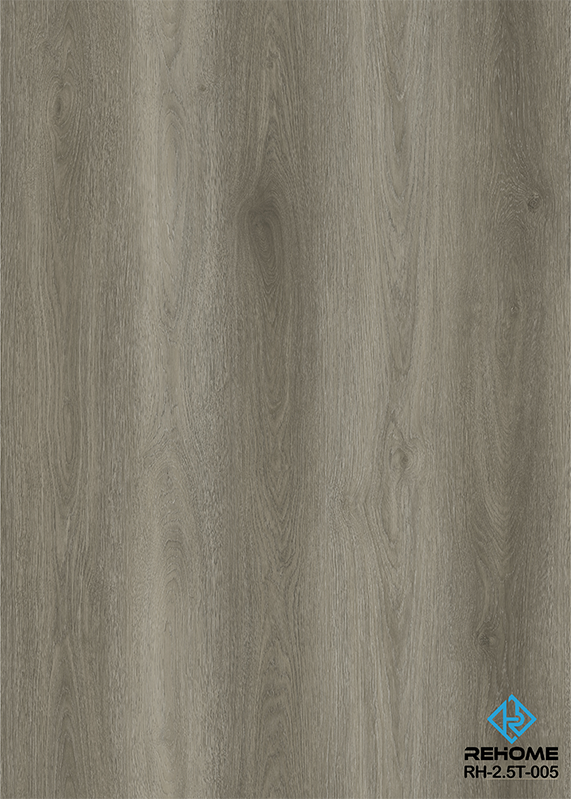
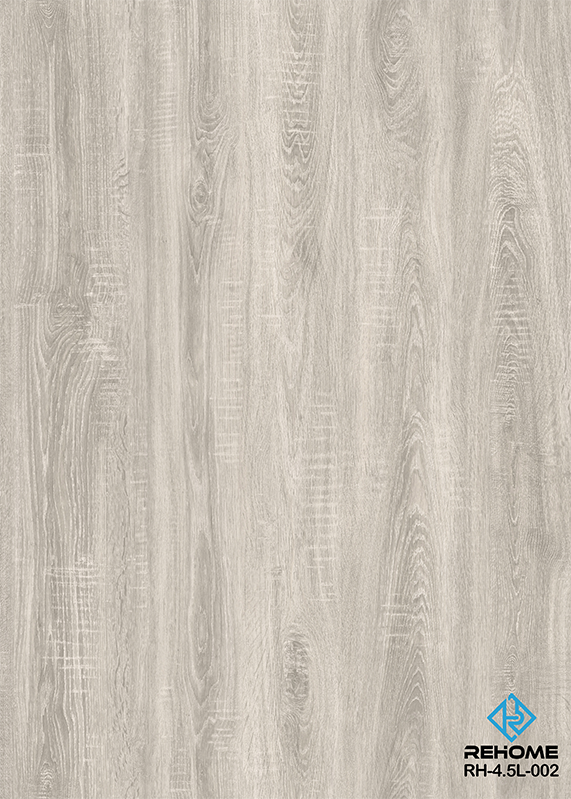
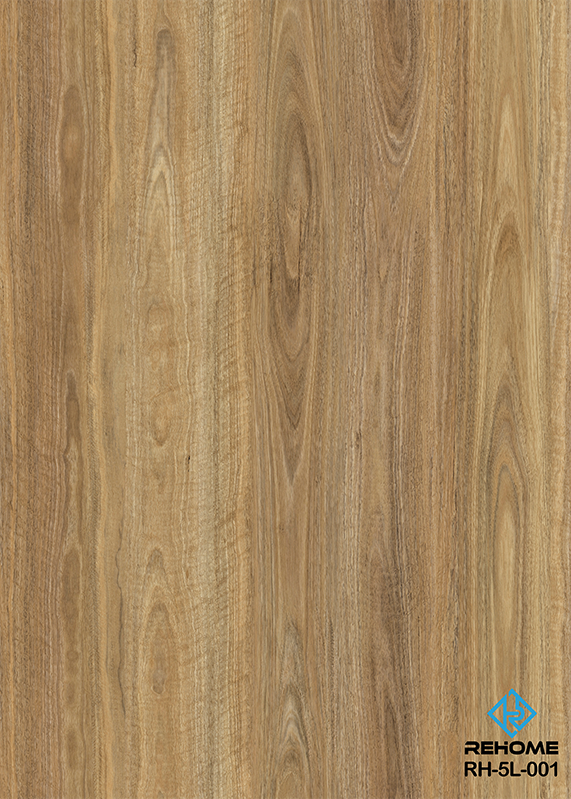

From Factory to Your Market





With increasing demand for efficient, cost-effective flooring solutions, many homeowners and contractors are turning to easy-install click-lock floor systems. These innovative products offer a range of benefits over traditional flooring options such as hardwood, tile, and carpet. This article explor...
READ MOREWhen it comes to flooring solutions, durability is often a primary concern for both homeowners and businesses alike. Waterproof rigid flooring has become a popular choice for areas exposed to moisture, offering long-lasting performance. In this guide, we’ll explore the factors that contribute to its...
READ MOREVinyl flooring has become a popular choice for both residential and commercial spaces due to its durability, ease of maintenance, and affordability. However, with the growing demand for high-performance flooring solutions, an innovation has emerged: Rigid Core Vinyl Flooring. This flooring type is o...
READ MORELet’s be honest. In this business, the thing we hear most from clients isn't "the price is too high"—it’s "the callbacks are exhausting."
Floors bubbling up from moisture, wallpaper peeling off, grout lines turning black… these used to be the unavoidable headaches of renovation. But if you are still looking at building materials with the same mindset you had five years ago, you are missing out on two absolute game-changers: Waterproof Rigid Flooring and Digital Printing Wall Panels.
I’m not here to bore you with a spec sheet. Let’s talk about what these materials actually are, why they solve your biggest headaches, and the "gotchas" you need to watch out for before you buy.
Don’t let the technical name scare you. Simply put, it’s "flooring made of stone." Traditional LVT is soft (all plastic). Laminate is wood-based (fears water). But Waterproof Rigid Flooring (often called SPC) mixes limestone powder with PVC resin to create a rock-hard core. Think of it this way: It has the warm look of wood, but the tough temper of tile.
One word: Continuity. In the past, you had to chop up a floor plan. Wood in the living room, cut it off, then switch to tile for the kitchen because of water issues. That transition strip (T-molding) is ugly and a tripping hazard. Waterproof Rigid Flooring solves this. You can pave it from the front door right up to the bathroom sink without a single break. For modern open-concept designs, that visual flow is everything.
The magic is in the "Rigid Core." Because it’s mostly stone powder, it doesn’t care about temperature or humidity swings.
Summer heat? It won't soften or peak like pure plastic floors.
Wet season? It won't absorb water and swell like wood. Once clicked together, it’s a sealed unit. Water sits on top like dew on a lotus leaf—it never gets in.
We sell this stuff, but I want you to know the downsides so you aren't surprised:
It feels hard: It’s "Rigid" for a reason. It doesn't have the bounce of real wood. Walking on it feels more like walking on treated stone.
It demands a flat subfloor: Because it’s stiff, it doesn't conform to bumps. If your subfloor is uneven, the floor will rock, sound hollow, or even break at the locks.
The Fix: Most of our premium lines come with a pre-attached IXPE underlayment. This softens the step and forgives minor subfloor imperfections.
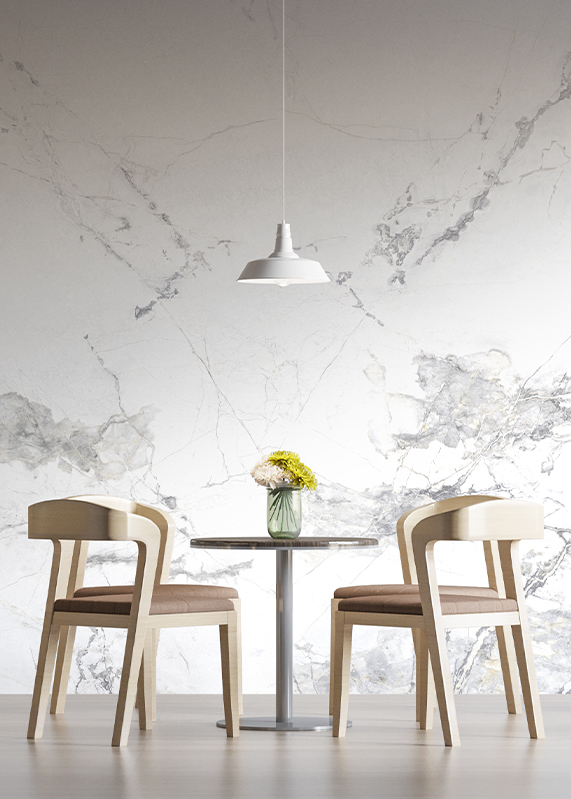
Old-school wall panels were either wrapped in a sticker (film) or painted a single boring color. Digital Printing technology is like bringing a massive, high-definition inkjet printer onto the factory line. We print the design—whether it’s Calacatta marble, rustic wood, or custom abstract art—directly onto the board, and then seal it with UV protection.
When you want the high-end look of marble without the high cost (or the back-breaking weight).
When you need a "Speed Renovation." Think hotels or quick house flips. Real marble requires cement, mortar, and days of drying time. These panels? You can glue them directly over a rough wall or even over old ugly tiles. You can finish a whole bathroom in a day.
Here is a technical secret many factories won't tell you: DPI (Resolution) and Repetition.
Check the details: Look close. Cheap digital printing looks pixelated (like Minecraft) if you get too close. High-quality printing should be sharp and crisp.
Check the repeats: If you do a large wall and every single board has the exact same vein in the exact same spot, it looks fake. The advantage of Digital Printing is Randomness. We can generate 12-20 different faces so when you install them, it looks like natural stone.
Before you place an order, don't just look at the pretty pictures. Ask your supplier these three questions to avoid "hollow" products:
For Flooring: Ask about the "Wear Layer." Don't just ask how thick the plank is (4mm vs 5mm). Ask how thick the Wear Layer is. Cheap stuff uses a 12 mil (0.3mm) layer. Fine for a bedroom, but bad for a shop or a house with dogs. You want 20 mil (0.5mm) or higher. Otherwise, the pattern will walk off in two years.
For Wall Panels: Ask about "Surface Treatment." Digital printing is great, but if it isn't protected, it scratches. Ask if they use Double UV Coating. It’s like ceramic coating for a car—it seals the print against scratches and fading.
Check the Lock System. For flooring, the "Click" is the heart of the product. Take a sample and try to snap the edge of the lock with your thumb. If it snaps off easily (brittle), they used too much recycled material. Walk away. A good lock should be stiff but tough.
Buying good material is only step one. If the installation is botched, even the best Waterproof Rigid Flooring will fail. Here are the honest answers to the questions our support team gets asked every single day.
Q: Do I have to rip up my old tile or concrete?
A: Probably not! That’s the beauty of it. As long as your old floor is hard and flat, you can float right over it.
The Trap:If you are going over tile, make sure the grout lines aren't huge canyons. If they are very deep/wide, fill them with a patch compound first. If you don't, the pressure from high heels or furniture legs can eventually break the lock over the gap.
Q: Do I really need that "Expansion Gap"? It looks ugly.
A: YES. Do not skip this. Even though this is "stone" flooring, it contains PVC. Physics still applies: things expand when hot. You must leave about 1/4 inch (6mm) of space around the walls. If you don't, when the heat kicks on, the floor has nowhere to go and will buckle up in the middle of the room like a speed bump. Cover the gap with baseboards or quarter-round molding—you won't even see it.
Q: Do I need glue?
A: No. This is a Floating Floor. It holds together via the locking mechanism, not glue. In fact, gluing it down prevents it from naturally expanding and contracting, which causes failures. A rubber mallet and a utility knife are all you need.
Q: Can I really put this in a shower? Won't water get behind it?
A: The board is waterproof, but your workmanship matters. Digital printing wall panels are impervious to water. However, theseambetween the panels is where water tries to attack.
The Pro Tip:When installing in a wet zone, apply a thin bead of structural adhesive or silicone sealant inside the "tongue and groove" click system before you snap them together. This seals the joint completely.
Q: How do I stick it to the wall? Do I need a wooden frame?
A: If your wall is relatively flat (concrete or old tile), glue it directly. No need to build a wooden frame (batten), which saves you time and money.
The Formula:Structural Adhesive (Liquid Nails) + Double-Sided Tape. Apply the glue in an "S" shape. Put strips of tape in between. The tape holds the panel instantly (so it doesn't slide down), giving the structural glue 24 hours to cure and create a permanent bond.
Q: How do I finish the corners/edges? The cut side looks dark.
A: This is the one visual weak point—the core is usually grey/black.
The Solution:You must use Metal Trims (Aluminum). We supply specific internal corners, external corners, and end caps. Don't try to "miter cut" (45-degree cut) these panels like wood; it’s too hard to get perfect and the edge becomes sharp. Using sleek black or gold metal trims is not just easier; it looks much more modern.
FEEL FREE TO ASK US IN ANY OF YOUR NEED

 East Royal Building, Jiefang East Road, Yixing City, Jiangsu Province, China.
QUICK LINKS
Copyright © Wuxi Re-Home New Materials Co.,Ltd. Rights Reserved.