Comprehensive Industry Knowledge on LVT Dryback Flooring
In the competitive landscape of modern interior design and construction, LVT Dryback Flooring has emerged as a superior solution, combining aesthetic versatility with structural resilience. As a type of luxury vinyl flooring that is adhered directly to the subfloor using specialized adhesive, it offers a stable and permanent surface suitable for high-traffic environments. This flooring technology utilizes a multi-layer composite structure that effectively mimics the realistic visual effects of stone or wood texture while providing the comfortable underfoot feel characteristic of resilient flooring. This makes it an ideal choice for both commercial spaces requiring durability and residential areas seeking comfort and style. Understanding the technical parameters, installation nuances, and compliance standards of this product is essential for architects, contractors, and distributors looking to specify high-performance flooring solutions.
Essential Technical Parameters for High-Performance Specifications
Selecting the right flooring involves scrutinizing technical data to ensure performance longevity. For commercial projects, the wear layer thickness is the primary indicator of durability. Options typically range from 0.3mm for moderate traffic to 0.7mm for heavy industrial use. Dimensional stability is equally critical; high-quality LVT must resist expansion and contraction caused by temperature fluctuations to prevent gapping or buckling. Furthermore, fire safety is paramount in public buildings. Compliance with standards such as EN 13501-1, specifically Class Bfl-s1, is often required to meet strict building codes. Installation profiles usually vary between 2.0mm and 3.0mm, offering an optimal balance of structural integrity and compatibility with existing subfloors.
- Wear Layer Thickness: Ranges from 0.3mm to 0.7mm to suit varying traffic levels (e.g., retail vs. heavy industrial).
- Dimensional Stability: Ensures minimal expansion and contraction despite temperature fluctuations.
- Fire Resistance Rating: Compliance with EN 13501-1 (Class Bfl-s1) for safety in public buildings.
- Installation Thickness: Standard profiles between 2.0mm and 3.0mm for optimal balance of durability and subfloor compatibility.
Parameter Comparison by Usage
td>2.0mm - 2.5mm
| Parameter |
Residential Specification |
Commercial Specification |
| Wear Layer |
0.3mm - 0.5mm |
0.5mm - 0.7mm |
| Thickness |
3.0mm - 5.0mm |
| Surface Finish |
Embossed, Satin |
Pur, Urethane coating |
Installation Methods and Adhesion Technologies
The longevity of a Glue Down LVT Dryback Flooring installation is heavily dependent on the adhesion technology and subfloor preparation. Unlike click-lock systems, dryback flooring requires a direct bond using specialized adhesives. This method provides a solid, monolithic feel that is preferred in large-scale commercial applications. Installers must choose between pressure-sensitive adhesives, acrylic dispersions, or epoxy-based systems depending on the project's specific needs. Subfloor preparation is rigorous; moisture content must be tested (CM test) and the surface smoothed to within a tolerance of ≤2mm over 2 meters. Curing times vary, and maintaining ambient temperature between 18°C to 27°C during installation is crucial for the adhesive to perform correctly.
- Adhesive Types: Compatibility with pressure-sensitive adhesives, acrylic dispersion, or epoxy-based systems.
- Subfloor Preparation: Requirements for moisture content (CM test) and smoothness (≤2mm over 2m).
- Curing Time: Standard drying times before the floor can be subjected to heavy traffic.
- Temperature Resistance: Adhesive performance stability across a range of 18°C to 27°C during installation.
Environmental Standards and Certification Compliance
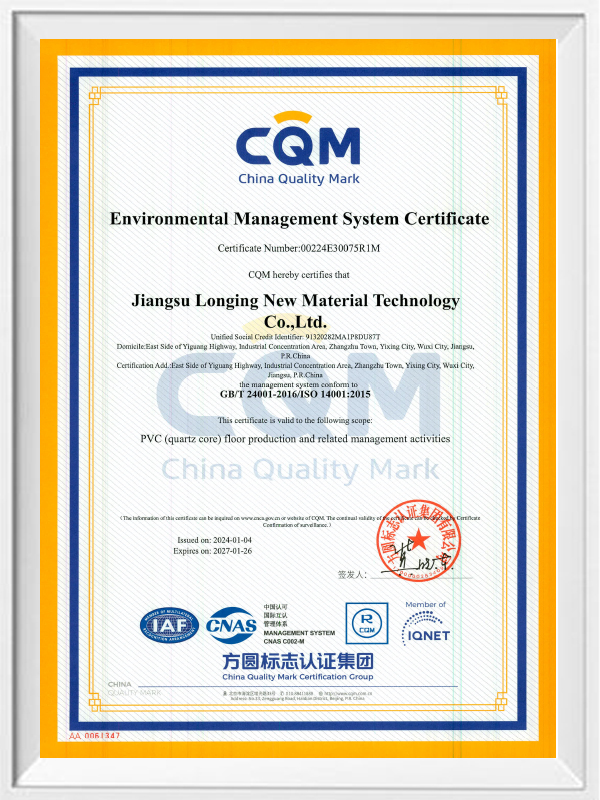
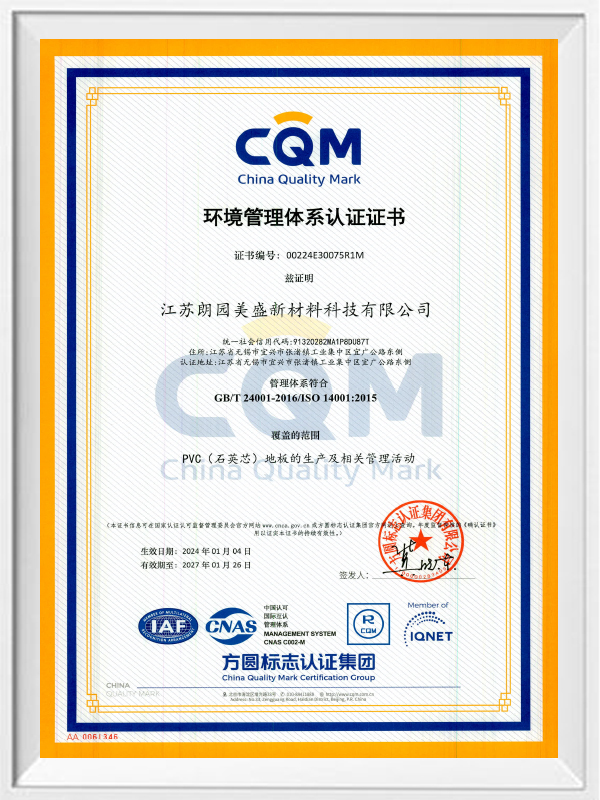
Environmental compliance is no longer optional in the global building materials market. Evaluating LVT Dryback Flooring involves strict scrutiny of Indoor Air Quality (IAQ). Leading products comply with standards such as FloorScore® or maintain low VOC emissions to ensure healthy indoor environments. Recyclability is also a growing concern; high-quality solutions often utilize recycled materials in the core layer and offer potential for recycling post-use. Regulatory adherence, particularly to REACH regulations regarding harmful plasticizers and phthalates, is non-negotiable for export to Europe and North America. Sourcing raw materials from verified sustainable suppliers further enhances the environmental profile of the building project.
- Indoor Air Quality: Compliance with FloorScore® or similar low VOC emission standards.
- Recyclability: Use of recycled materials in the core layer and potential for recycling post-use.
- Phthalate Content: Strict adherence to REACH regulations regarding harmful plasticizers.
- Sustainable Sourcing: Verification of raw material origins to ensure environmental responsibility.
Environmental Certification Standards
td>Chemical Safetytd>Mandatory conformity marking for products sold within the EEA.
| Certification |
Focus Area |
Relevance |
| FloorScore® |
Indoor Air Quality |
Validates low VOC emissions for healthy environments. |
| REACH |
Ensures restriction of hazardous substances in the EU market. |
| CE |
Product Safety |
Design Versatility and Aesthetic Trends
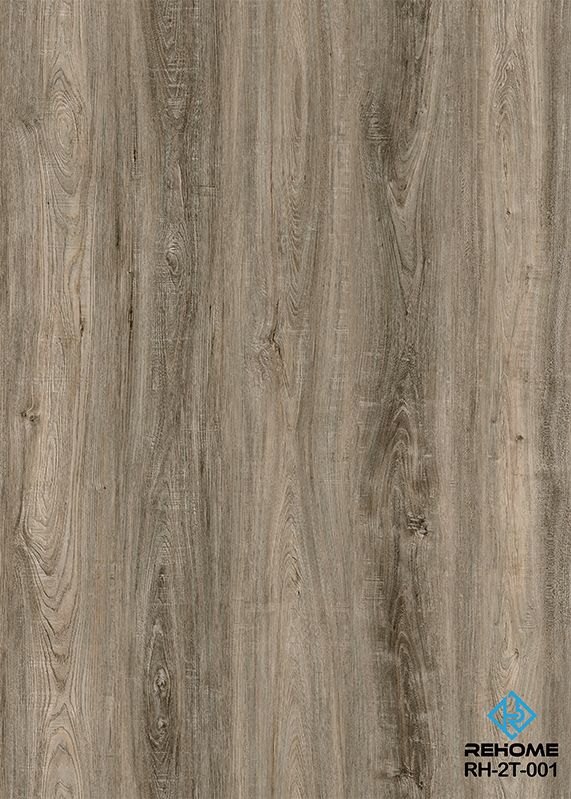
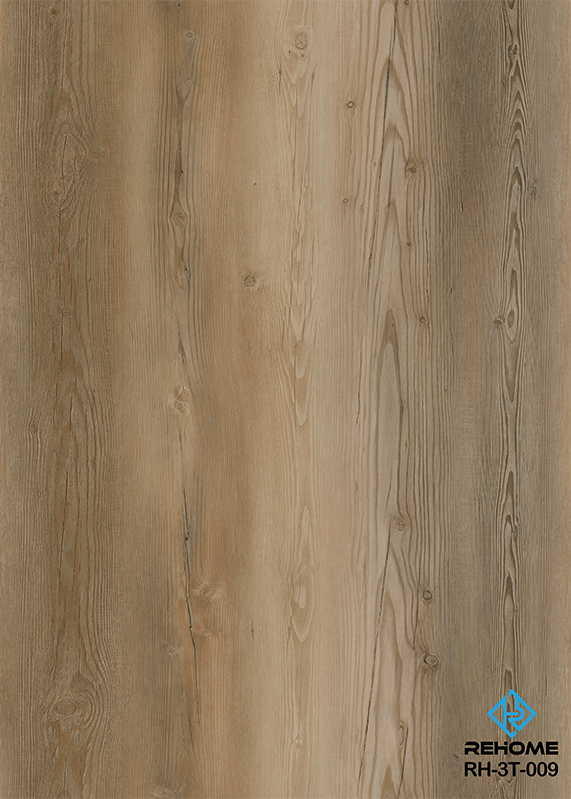
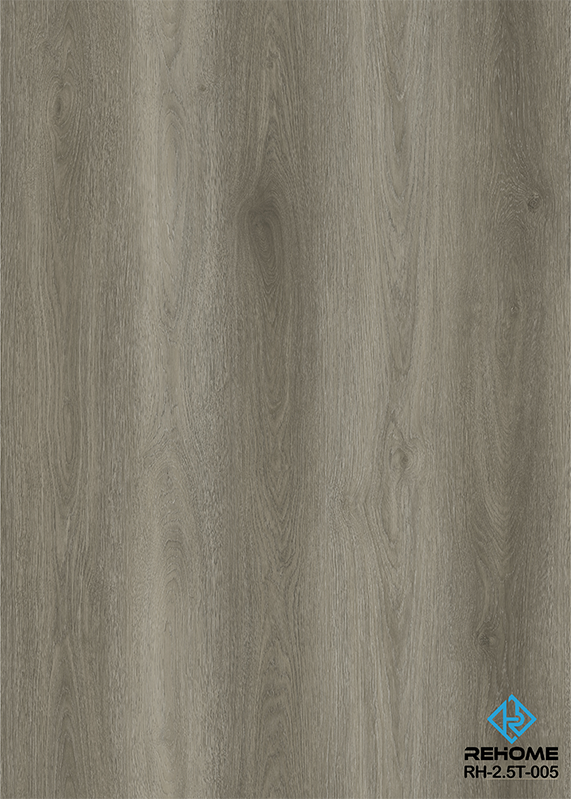
The aesthetic appeal of Commercial Grade LVT Dryback Flooring is one of its strongest selling points. Advanced manufacturing technologies now allow for features like EIR (Embossed in Register), which creates a surface texture that perfectly matches the visual wood grain or stone pattern, providing unparalleled realism. Size variations are extensive, with planks available in dimensions such as 6"x48" or 9"x60" and tiles in 18"x18" or 24"x24", enabling diverse layout patterns like herringbone or chevron. To maintain these looks over time, UV-resistant layers are applied to prevent fading in areas exposed to direct sunlight. Surface finishes range from silk matte to high gloss, allowing designers to specify the exact visual and tactile experience required for the space.
- Visual Embossing: Technologies like EIR (Embossed in Register) that mimic real wood grain and stone textures.
- Size Variations: Availability of planks and tiles for diverse layout patterns.
- Color Stability: UV-resistant layers to prevent fading in areas with high sunlight exposure.
- Surface Finish: Options ranging from silk matte to high gloss to match specific interior design requirements.
Cost-Benefit Analysis: Maintenance and Lifecycle
Investing in durable flooring solutions significantly reduces the total cost of ownership. LVT Dryback Flooring requires minimal maintenance compared to traditional hardwood or natural stone. The maintenance protocol is straightforward, typically involving cleaning with neutral pH detergents. Its high resistance to scratches, dents, and stains means it maintains its appearance longer, reducing replacement frequency. The average commercial lifespan ranges from 15 to 20 years, depending on traffic and maintenance. Furthermore, in the event of damage, the direct-glue method allows for individual plank replacement, offering a cost-effective repair solution without disturbing the entire floor.
- Maintenance Protocol: Simple cleaning requirements using neutral pH detergents, reducing long-term upkeep costs.
- Wear Resistance: High resistance to scratches, dents, and stains compared to traditional hardwood or laminate.
- Lifespan: Average commercial lifespan of 15-20 years depending on traffic and maintenance.
- Replacement Cost: Ease of repair where individual planks can be replaced without disturbing the entire floor.
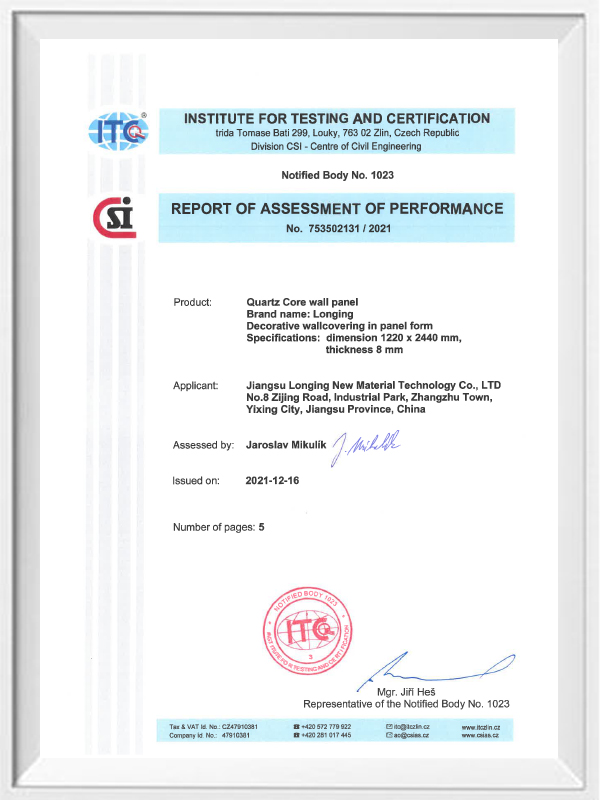
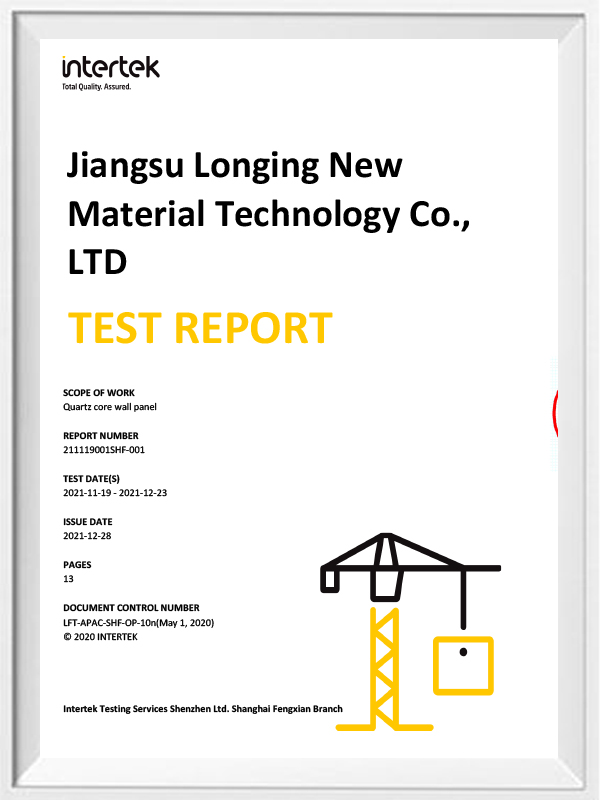
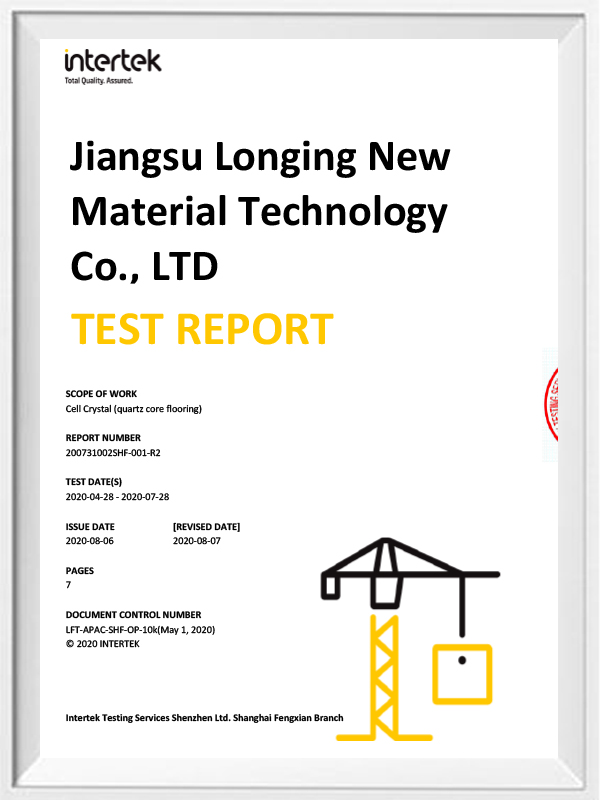
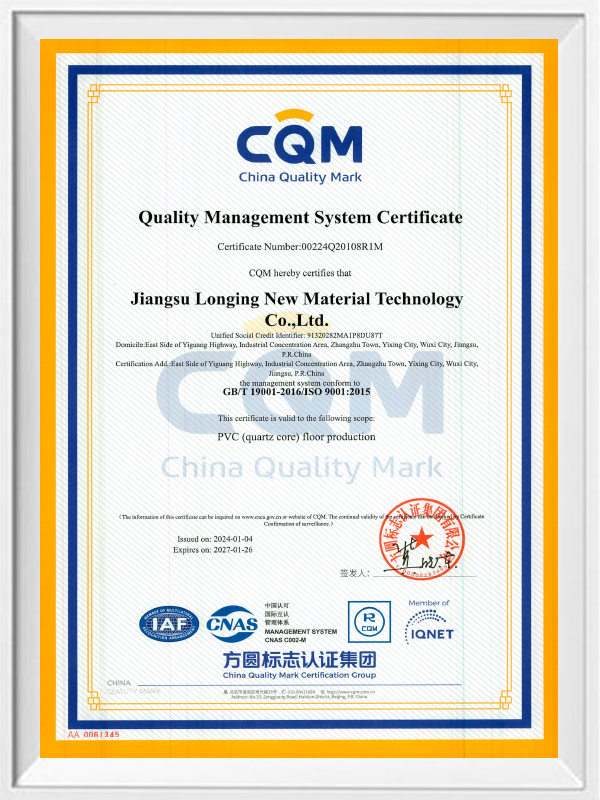
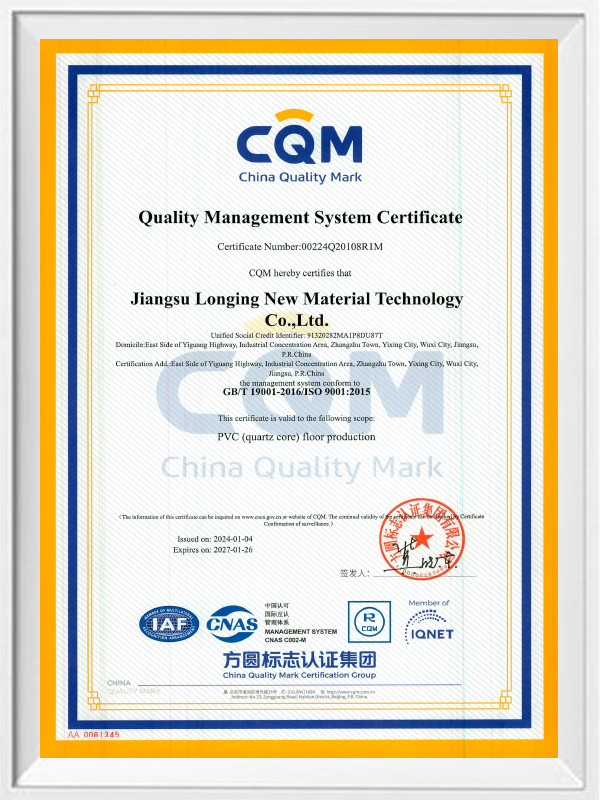
Wuxi Re-Home New Materials Co., Ltd is a trading company specializing in the export of PVC flooring, WPC decking, and calcium silicate wall panels. Based in Yixing, Jiangsu, we serve international markets including Europe and North America by delivering reliable and high-quality building materials. With extensive industry experience and a well-integrated supply chain, we offer strong capabilities in product sourcing, customer service, and timely delivery. All products can be supported with CE, SGS, and ITS certifications to ensure export compliance. We are committed to building long-term, stable, and trustworthy partnerships with clients around the world.
FAQ
What are the main advantages of LVT Dryback Flooring over click-lock LVT?
The primary advantage of LVT Dryback Flooring is its solid, monolithic feel once installed. Because it is glued directly to the subfloor, there is no movement or flexing, which makes it more suitable for high-traffic commercial areas and large continuous spaces. It also generally allows for thinner overall profiles while maintaining high durability, and it offers better water resistance at the seams compared to some mechanical locking systems.
Is LVT Dryback Flooring suitable for wet areas like bathrooms?
Yes, LVT Dryback Flooring is highly water-resistant and can be an excellent choice for wet areas, provided the installation is performed correctly. It is crucial to use a waterproof or moisture-resistant adhesive and ensure proper sealing of the perimeter joints. The fact that it is glued down eliminates the gaps found in floating floors, offering superior protection against moisture seeping into the subfloor.
How does the cost of LVT Dryback Flooring compare to traditional hardwood or ceramic tile?
LVT Dryback Flooring is generally more cost-effective than both hardwood and ceramic tile when considering both material costs and installation. While the material cost is lower, the installation cost can be comparable to tile due to the labor-intensive glue-down process. However, the long-term maintenance costs are significantly lower than hardwood, as it does not require sanding or refinishing.
Can LVT Dryback Flooring be installed over existing tiles or concrete?
Yes, LVT Dryback Flooring can be installed over existing tiles or concrete, provided the subfloor is properly prepared. The existing surface must be level, clean, dry, and free of any contaminants that could prevent the adhesive from bonding. Embossing levelers or skim coats may be required to smooth out the texture of old tiles before installation.
What certifications should I look for when exporting LVT Dryback Flooring?
When exporting LVT Dryback Flooring, key certifications to look for include CE marking for European conformity, FloorScore® for indoor air quality, and SGS or ITS reports for general quality and safety verification. These documents ensure that the product meets international standards for safety, environmental performance, and durability, facilitating smooth customs clearance and market acceptance.

 English
 Español
 Français