Professional Knowledge: Waterproof SPC Flooring
Waterproof SPC (Stone Plastic Composite) Flooring has become a dominant force in the global market for resilient flooring, particularly valued for its durability, stability, and suitability for wet areas. For distributors, contractors, and specifiers in markets like Europe and North America, understanding the technical specifications and compliance requirements is crucial. Companies like Re-Home, a specialist exporter based in Yixing, China, facilitate this by providing certified, high-quality SPC flooring alongside WPC decking and calcium silicate panels, ensuring products meet stringent international standards such as CE, SGS, and ITS.
1. Core Structure & Technical Composition
SPC flooring is an engineered, multi-layered product known for its rigid core. The typical structure consists of:
- Wear Layer: A UV-cured coating that provides resistance to scratches, stains, and wear. It is rated with an Abrasion Class (AC) rating.
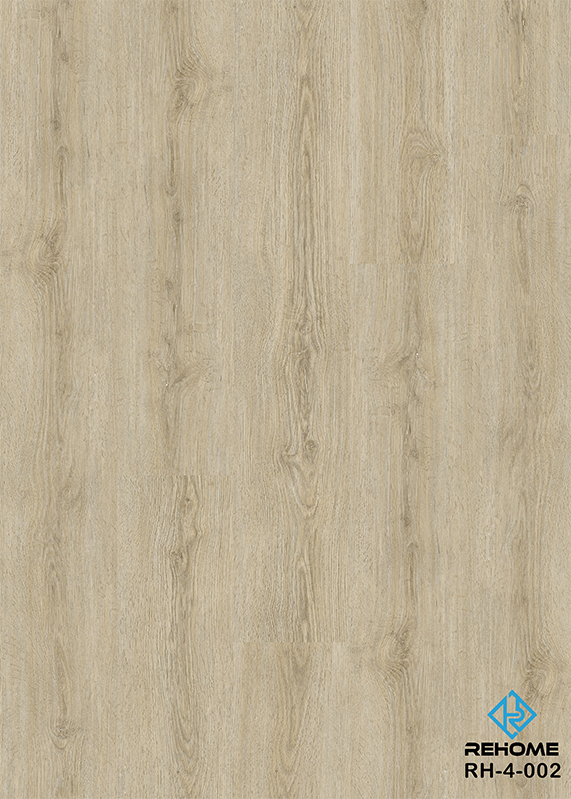
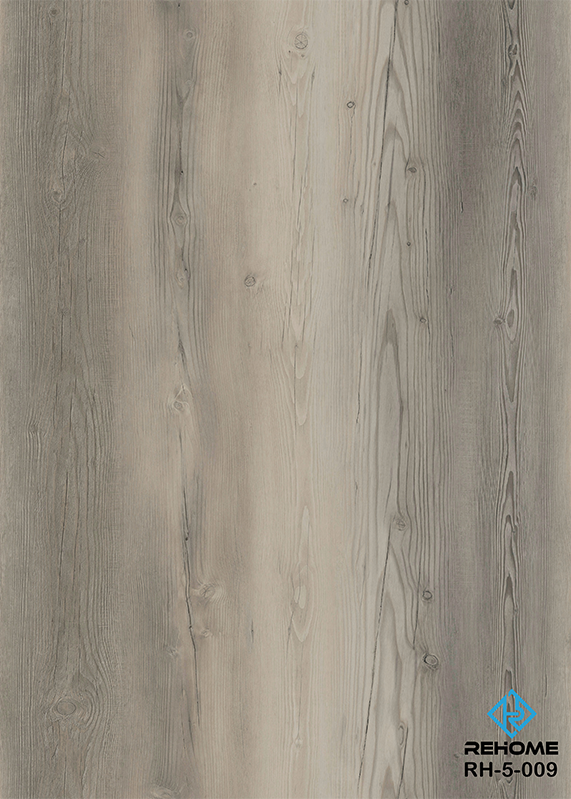
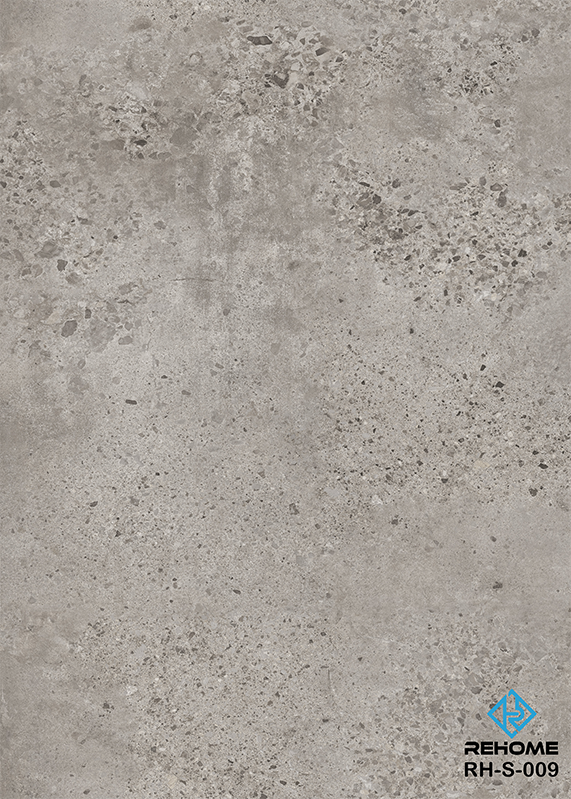
- Decorative Layer: A high-definition printed film that replicates wood, stone, or abstract designs with realistic texture.
- SPC Core Layer: The defining component. It is a dense, rigid composite made primarily from limestone powder (calcium carbonate), polyvinyl chloride (PVC), and stabilizers. This layer delivers dimensional stability and 100% waterproof properties.
- Underlayment Attached (Optional): A pre-attached foam or cork pad for sound absorption, comfort underfoot, and minor subfloor imperfection masking.
2. Key Technical Parameters & Performance Standards
Selecting the right SPC flooring requires evaluating specific performance data:
| Parameter |
Standard / Typical Value |
Significance |
| Waterproof Rating |
100% Waterproof (Immersion Test: 72-96 hours) |
Suitable for bathrooms, kitchens, basements. No swelling or damage. |
| Wear Resistance (AC Rating) |
AC3 (Residential Heavy), AC4 (Commercial General), AC5 (Commercial Heavy) |
Determines suitability for traffic levels. AC4/AC5 is standard for commercial projects. |
| Dimensional Stability |
Thermal expansion ≤ 0.4% (EN 434); Water absorption ≤ 0.2% |
Minimal expansion/contraction with temperature/humidity changes; critical for large areas and climates. |
| Floor Radiant Heating Compatibility |
Max. surface temperature: 27°C (Electric), 60°C (Water); Thermal resistance ≤ 0.05 m²K/W |
Ensures safe and efficient performance over underfloor heating systems. |
| Formaldehyde Emission |
CARB NAF, EPA TSCA Title VI (USA), E1 (≤0.06 ppm) |
Certifies indoor air quality safety and compliance with green building codes. |
| Fire Reaction Class |
EN 13501-1: Typically Bfl-s1 (European) / Class A (ASTM E84 - USA) |
Meets building safety regulations for fire spread, smoke, and flaming droplets. |
3. Compliance & Certifications for Export Markets
Successful market entry, especially in regulated regions like the EU and North America, hinges on proper certifications. Reliable suppliers ensure full testing and documentation.
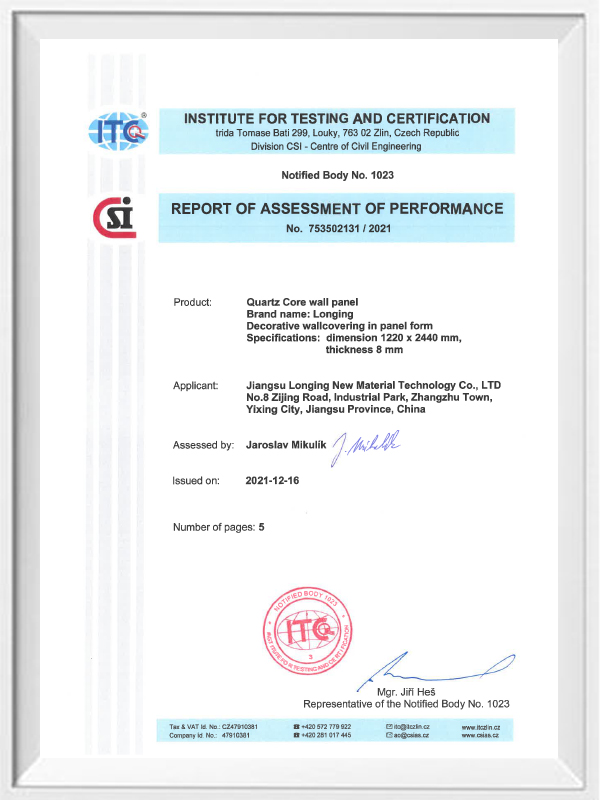
- CE Marking (Europe): Mandatory under the Construction Products Regulation (CPR). Requires assessment of essential characteristics like reaction to fire, slip resistance, and emissions.
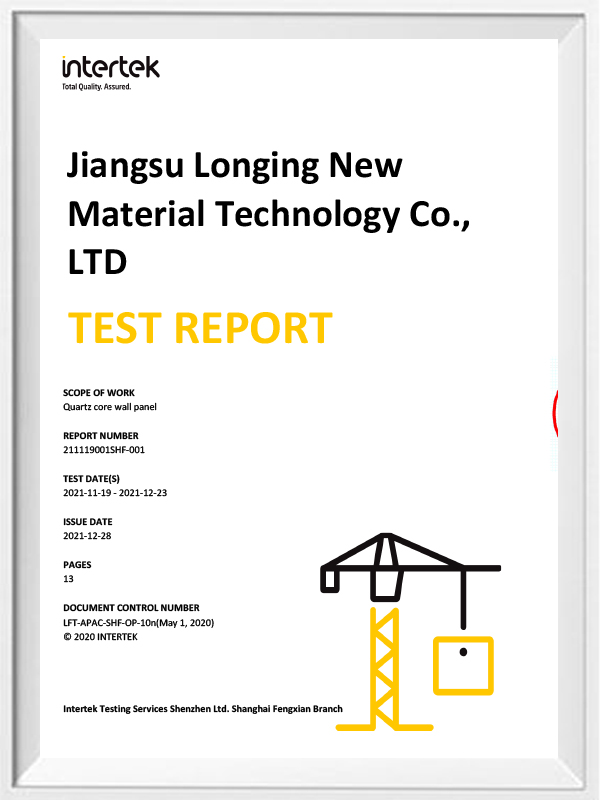
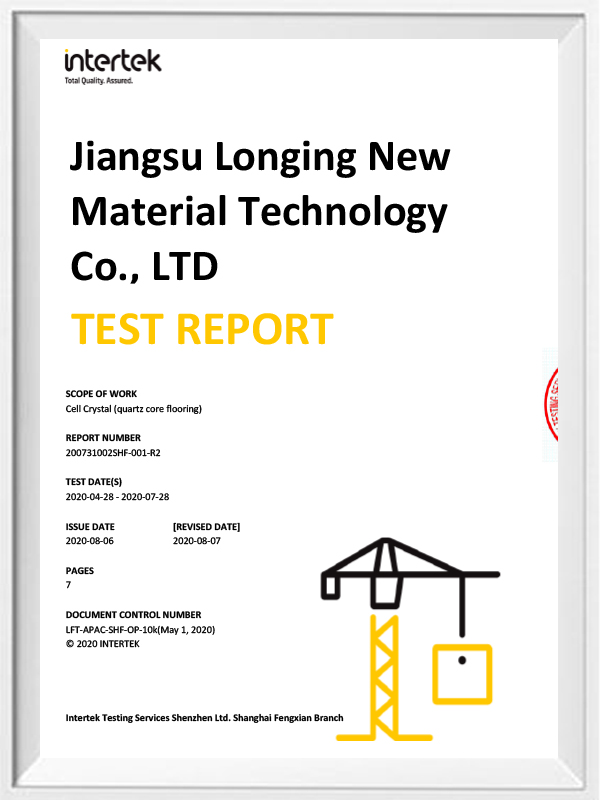
- SGS / ITS Reports: Independent third-party testing for quality, safety, and performance claims (e.g., abrasion, lock strength, phthalate content).
- Floor Score / Greenguard Gold (USA): Certifies low VOC emissions for indoor air quality.
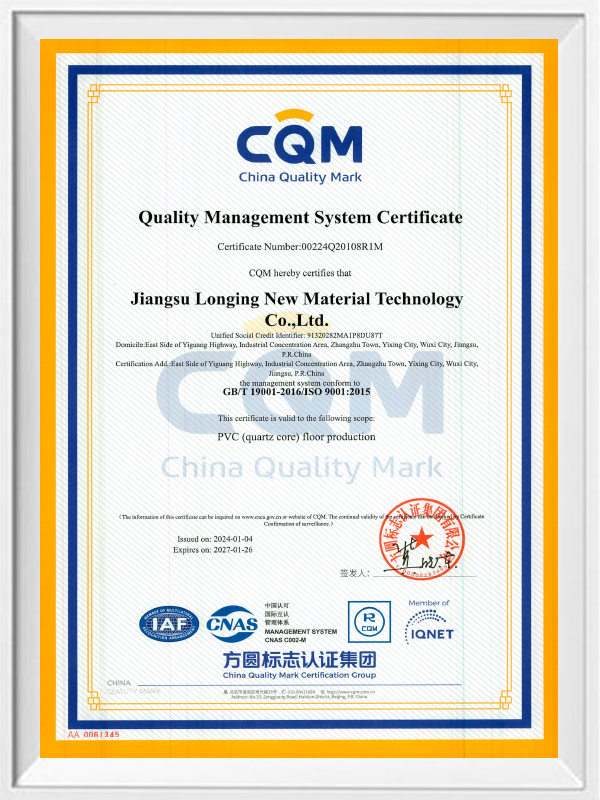
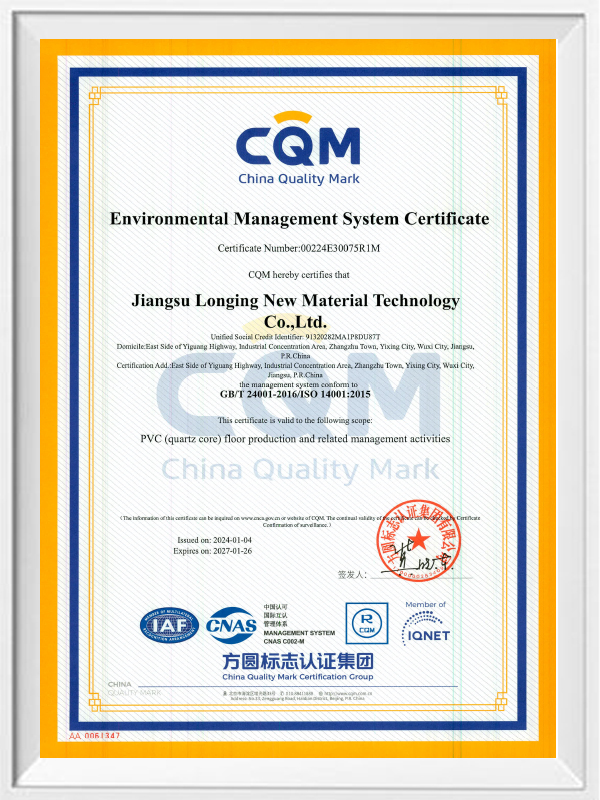
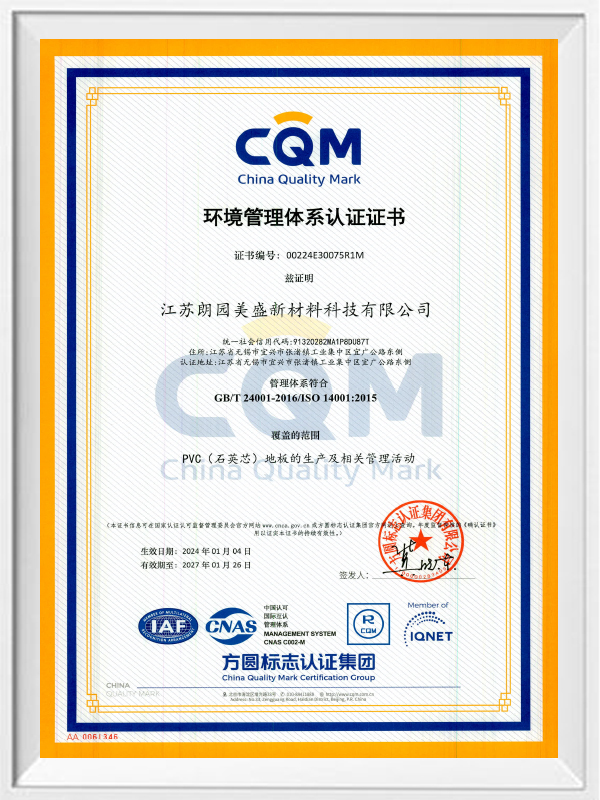
Partnering with an experienced exporter like Re-Home, which integrates supply chain control with comprehensive certification support (CE, SGS, ITS), streamlines this process for international buyers, reducing compliance risk.
4. Installation, Maintenance & Best Practices
Installation Method:
SPC uses a floating, click-lock (Unilin, Valinge) installation system. Key prerequisites include:
- A dry, flat, and stable subfloor (max. 3mm deviation over 2m).
- Expansion gap of 8-10mm around the perimeter.
- Acclimatization of planks at room temperature for 24-48 hours before installation.
Maintenance:
Extremely low maintenance. Regular sweeping/vacuuming and damp mopping with a pH-neutral cleaner are sufficient. Avoid abrasive pads or steam mops.
FAQ
Is SPC flooring truly 100% waterproof and suitable for bathrooms?
Yes, high-quality SPC flooring with a tightly sealed locking system is 100% waterproof at its core. The rigid SPC core, composed of limestone and PVC, is impervious to water. This makes it an excellent choice for full bathroom installations, including around showers and bathtubs, provided the locking seams are properly engaged and perimeter sealant is used in wet areas. It is superior to traditional laminate or engineered wood in such environments.
What is the difference between SPC and WPC flooring?
The core difference lies in the composition and density of the rigid core layer.
- SPC (Stone Plastic Composite): Has a denser, more mineral-based core (up to 70% limestone). It is harder, more dimensionally stable with less expansion/contraction, and often thinner (4-6mm). Ideal for high-moisture areas and where maximum stability is needed.
- WPC (Wood Plastic Composite): Contains a foamed core with wood pulp or bamboo flour mixed with PVC. It is softer underfoot, provides better sound absorption, and has a more wood-like feel. It can be slightly more susceptible to indentation and has a higher thermal expansion coefficient than SPC.
The choice depends on the priority: ultimate stability/waterproofing (SPC) vs. underfoot comfort/sound (WPC).
Can SPC flooring be installed over radiant floor heating systems?
Absolutely. SPC is one of the best flooring choices for underfloor heating due to its exceptional dimensional stability and efficient heat conduction. Key requirements:
- Confirm the product is specifically rated for floor heating (check technical data sheet).
- Adhere to the manufacturer's maximum surface temperature limit (typically 27°C for electric, 60°C for water systems).
- Ensure the subfloor is dry and the heating system is operational and stable for at least two weeks before installation, then turned off 48 hours before, during, and 48 hours after installation. Gradually increase the temperature afterward.
The low thermal resistance of SPC ensures efficient heat transfer.
How does the AC rating (Abrasion Class) apply to SPC flooring for commercial use?
The AC rating, defined by EN 13329, is a crucial indicator of wear resistance. For commercial applications:
- AC4 (Commercial General): Suitable for medium commercial traffic like offices, boutiques, and cafes. This is the most common rating for commercial-grade SPC.
- AC5 (Commercial Heavy): Designed for high-traffic areas like department stores, hospitals, and schools.
The rating is determined by a Taber abrasion test and other stress tests. When specifying for a project, always choose AC4 or AC5 for commercial spaces to ensure longevity and protect your investment. The wear layer thickness typically correlates with the AC rating.
What certifications should I look for when importing SPC flooring to the European Union?
For seamless EU market access, the following are non-negotiable:
- CE Marking under CPR: This is a legal requirement. The Declaration of Performance (DoP) must detail tested performance for Reaction to Fire (Class Bfl-s1 minimum), Slip Resistance, Formaldehyde Emission (E1), and Content of Dangerous Substances.
- REACH Compliance: Ensures the product does not contain SVHC (Substances of Very High Concern) above threshold levels.
- Additional Trustmarks: While not mandatory, certifications like the Blue Angel (Germany) or NF Environment (France) can enhance marketability by proving superior environmental and health standards.
A professional supplier will have all necessary test reports (from notified bodies) and provide the complete DoP, simplifying customs clearance and liability for the importer.

 English
 Español
 Français