 English
 Español
 Français
Industry News
Waterproof rigid flooring is the most reliable, durable, and versatile flooring option available today for moisture-prone areas. Unlike traditional materials that warp, swell, or breed mold when exposed to liquids, this innovative flooring combines a dense, unyielding core with advanced water-resistant technology. Whether you are renovating a busy family kitchen, a damp basement, or a commercial bathroom, it provides the authentic look of wood or stone without the inherent vulnerabilities, ensuring long-lasting performance and peace of mind.
Core Composition and Structure
To understand why this flooring performs so well, it is essential to look beneath the surface. The structural integrity comes from its multi-layered design, engineered specifically to prevent water penetration and resist heavy impacts.
The Dense Core Layer
The defining characteristic of rigid flooring is its core. Typically composed of a stone-polymer composite or a wood-polymer composite, this layer is incredibly dense. This high density prevents the floor from flexing underfoot and, most importantly, stops moisture from seeping through the planks. Even when submerged in water for extended periods, the core remains dimensionally stable, meaning it will not swell or buckle like traditional fiberboard-based flooring.
The Protective Wear Layer
On top of the core sits a transparent wear layer, usually made from urethane or pure vinyl. This clear shield takes the brunt of daily wear and tear. It resists scratches from pet claws, dents from dropped items, and fading from sunlight. The thickness of this layer directly correlates with the floor's lifespan, making it a critical factor in high-traffic environments.
The Printed Design Layer
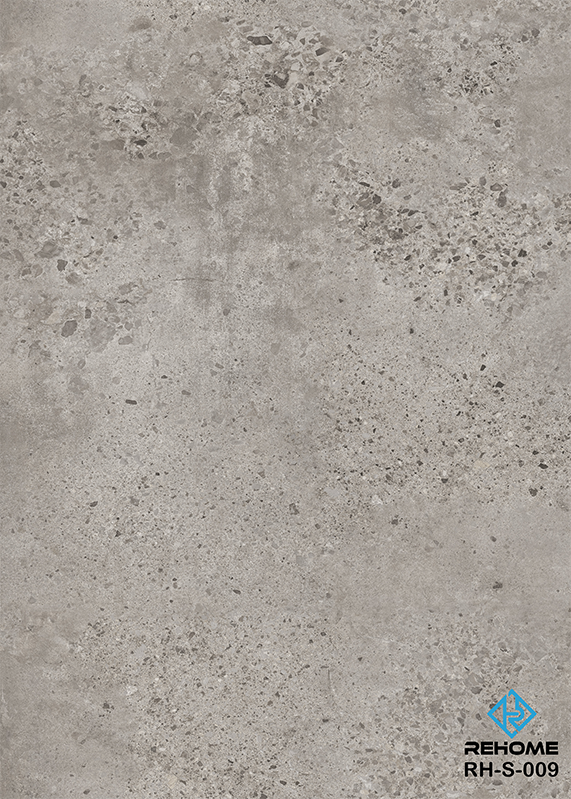
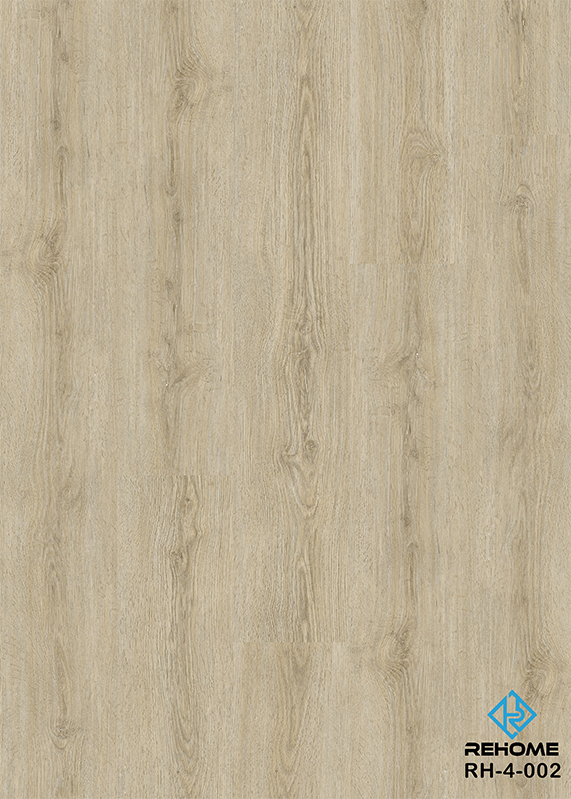
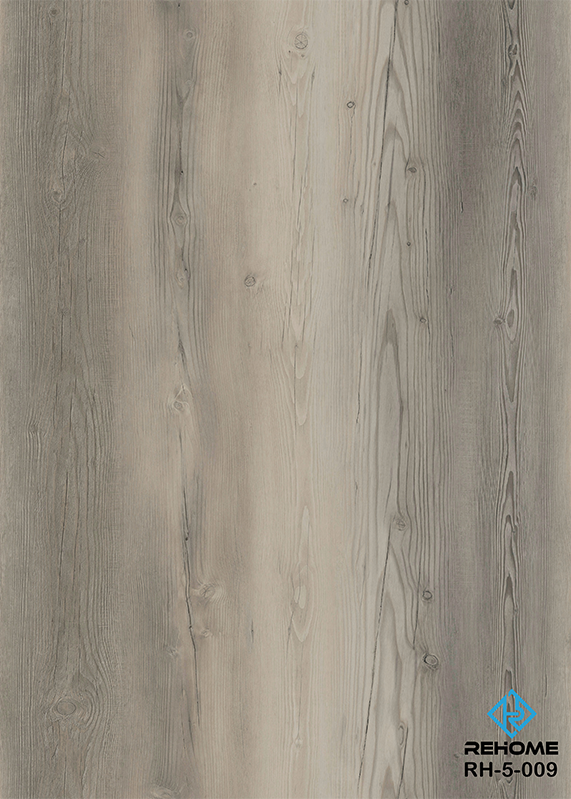
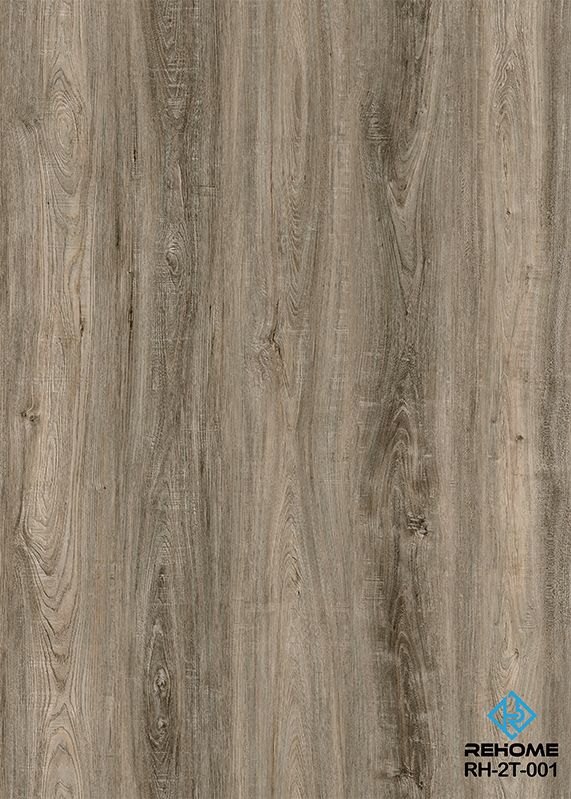
Beneath the wear layer, high-definition printing technology creates incredibly realistic visuals. Whether mimicking the grain of oak or the texture of slate, this layer provides the aesthetic appeal homeowners desire without the maintenance nightmares of natural materials.
Key Advantages Over Traditional Options
Choosing waterproof rigid flooring means investing in a range of benefits that traditional hardwood, laminate, or standard vinyl simply cannot match.
- Complete Waterproof Capability: Spills, pet accidents, and even minor floods can be wiped away without causing permanent damage to the floor's structure.
- Exceptional Dimensional Stability: The rigid core prevents expansion and contraction caused by temperature fluctuations or humidity changes, eliminating unsightly gaps between planks.
- Superior Impact Resistance: Heavy furniture or dropped objects are less likely to leave permanent dents compared to standard engineered wood or vinyl.
- Authentic Textured Feel: Many options feature embossed-in-register technology, meaning the physical texture matches the visual grain exactly, providing a realistic underfoot sensation.
Comparing Rigid Flooring to Other Materials
When evaluating flooring options, understanding how rigid flooring stacks up against alternatives helps clarify its value.
| Feature | Waterproof Rigid Flooring | Traditional Laminate | Engineered Hardwood |
|---|---|---|---|
| Water Resistance | Fully Waterproof | Water-Resistant at Best | Susceptible to Water Damage |
| Core Stability | Highly Stable | Prone to Swelling | Expands and Contracts |
| Installation Method | Floating Click-Lock | Floating Click-Lock | Glue or Nail Down |
| Maintenance Level | Low | Medium | High |
Ideal Applications for Maximum Performance
While this flooring can technically be installed anywhere in a home or commercial space, certain areas benefit exponentially from its unique properties.
High-Moisture Zones
Bathrooms, laundry rooms, and mudrooms are notorious for ruining organic flooring materials. In these spaces, waterproof rigid flooring excels because standing water will not compromise the structural integrity. You can step out of the shower or walk in with rainy boots without worrying about puddles seeping into the joints and causing irreversible damage.
Below-Grade Environments
Basements present a unique challenge due to higher ambient humidity and the potential for groundwater seepage through concrete slabs. Traditional hardwood is completely unsuitable below grade, but rigid flooring can be installed directly over concrete subfloors with the proper moisture barrier underlayment, transforming a damp basement into a comfortable living area.
High-Traffic Commercial Spaces
Retail stores, restaurants, and office lobbies require floors that can withstand constant foot traffic while maintaining their appearance. The robust wear layer protects against scuffing from shoes and rolling carts, while the rigid core ensures the floor remains flat and secure even under heavy commercial loads.
Installation Methods and Subfloor Requirements
One of the most appealing aspects of waterproof rigid flooring is its straightforward installation process, which often eliminates the need for professional assistance.
The Click-Lock Floating Mechanism
Most rigid planks feature an interlocking click system. This allows the planks to float over the subfloor rather than being glued or nailed down. The planks lock together tightly, creating a continuous, waterproof surface. This method significantly reduces installation time and allows the floor to be walked on immediately after installation.
Subfloor Preparation Essentials
Despite its rigidity, the floor can only perform as well as the subfloor beneath it. The subfloor must be clean, dry, and flat. While rigid flooring can hide minor imperfections, significant dips or humps will cause the locking mechanism to fail over time. Self-leveling compound may be necessary to correct uneven concrete, ensuring the long-term stability of the floating floor.
Long-Term Maintenance Strategies
Maintaining this type of flooring requires minimal effort, but following specific care instructions will maximize its lifespan and preserve its visual appeal.
- Regular Dry Cleaning: Sweep or vacuum regularly to remove loose dirt and grit. Fine particles can act like sandpaper underfoot, slowly dulling the wear layer over time.
- Damp Mopping Only: While the floor is fully waterproof, it is best to use a damp microfiber mop rather than soaking the floor with water. Excessive water on the surface can eventually find its way into the edges or under the baseboards.
- Avoid Harsh Chemicals: Abrasive cleaners, bleach, or wax-based polishes can damage the urethane wear layer. Use a manufacturer-recommended neutral pH cleaner for stubborn stains.
- Use Protective Pads: Place felt pads under all furniture legs to prevent scratches when chairs or tables are moved. Use walk-off mats at exterior doors to trap outside debris.
Environmental and Health Considerations
Modern manufacturing processes have made significant strides in ensuring that waterproof rigid flooring is safe for both indoor air quality and the environment.
High-quality rigid flooring is typically certified by independent laboratories to ensure it meets strict indoor air emission standards. It is generally free from harmful chemicals like formaldehyde and phthalates. Furthermore, the dense core is often composed of a high percentage of recycled materials, reducing the demand for virgin resources. When selecting a floor, verifying these environmental certifications guarantees a safe living environment for children and pets.