English
 Español
 Français
Home / News / Industry News / What customization services can professional SPC floor manufacturers provide?
Industry News

Content
A dependable SPC floor manufacturer focuses on standardized raw material configuration, full-process quality inspection and customized production adaptation, over 70% of high-quality finished SPC flooring on global market comes from factories with complete closed-loop production lines. Such manufacturers balance product performance stability and cost rationality, and can flexibly adjust formulas to fit residential, commercial and public engineering environments, which is the core benchmark to distinguish professional factories from small processing workshops.
SPC flooring mainly relies on calcium powder, PVC resin and auxiliary processing additives as basic raw materials, and raw material proportion directly determines floor hardness, waterproof property and dimensional stability. Regular manufacturers will carry out incoming material sampling test before warehousing to eliminate unqualified bulk raw materials.
Manufacturers tweak internal formula according to application places, and the following table shows common formulation adjustment directions for different application fields:
| Application Field | Core Formula Optimization Direction | Key Improved Performance |
|---|---|---|
| Household Indoor Space | Low additive proportion, high environmental grade raw material | Low harmful substance release, soft foot feel |
| Shopping Mall & Retail Store | Increased calcium powder ratio, wear-resistant modifier added | Strong compression resistance and scratch resistance |
| Wet Public Area | Waterproof modified resin replacement of partial base material | Zero water absorption, anti-mold property |
Formal manufacturers divide SPC floor production into six linked working procedures, each equipped with dedicated testing equipment and operators, and finished products pass at least three rounds of random inspection before leaving factory to control defective rate in a low range.
Temperature and pressure parameters in extrusion and hot pressing links are the core control points. Experienced manufacturers set real-time parameter monitoring system to record production data every hour, once data deviates from standard scope, production line will make temporary adjustment to prevent batch unqualified goods.
Different regional markets put forward differentiated inspection requirements on SPC flooring, qualified manufacturers build internal testing lab to finish most performance tests in-house instead of outsourcing all detection work.
For export-oriented manufacturers, they will reserve test samples of each production batch for later third-party spot check, which greatly reduces the risk of product return due to unqualified detection at destination port.
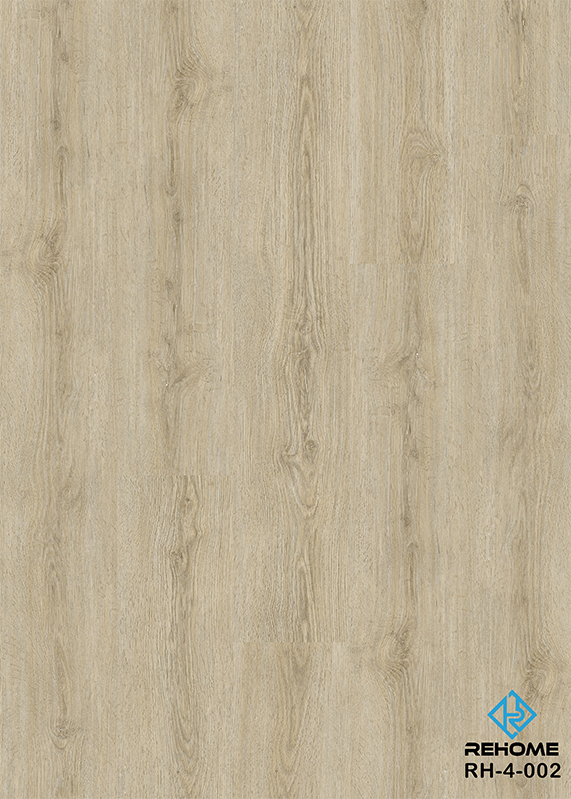
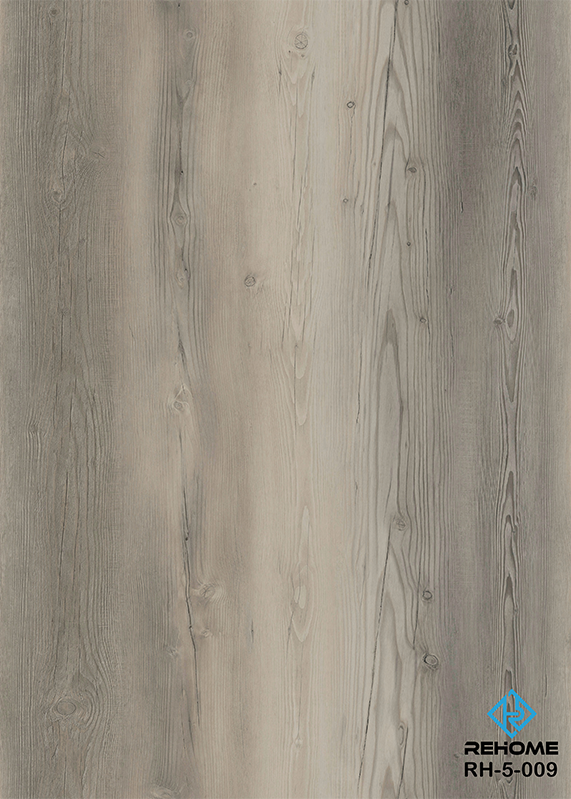
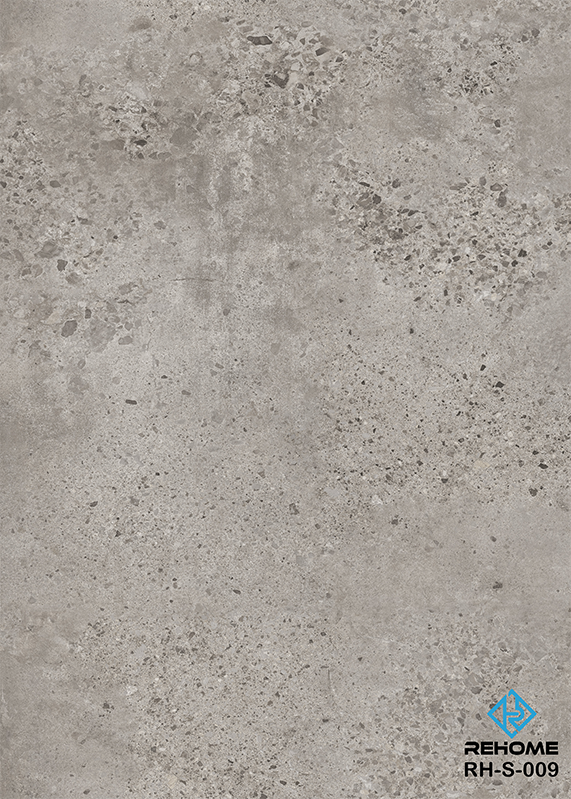
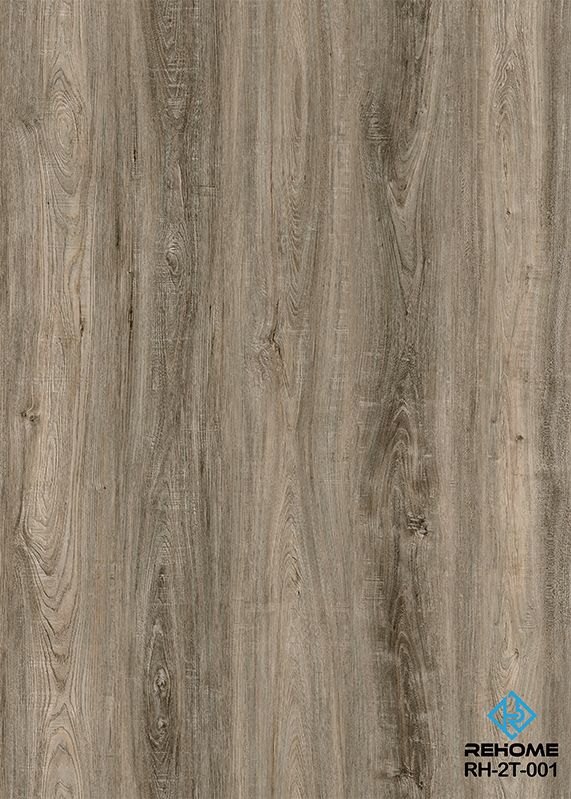
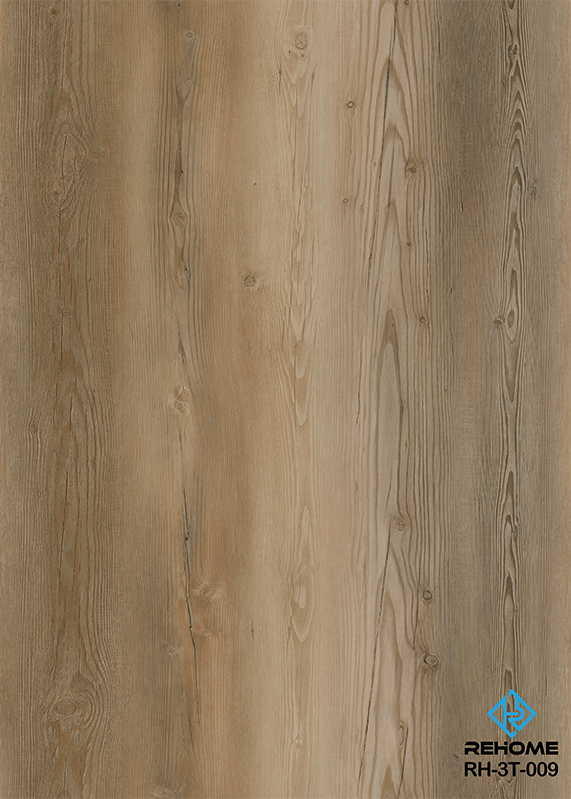
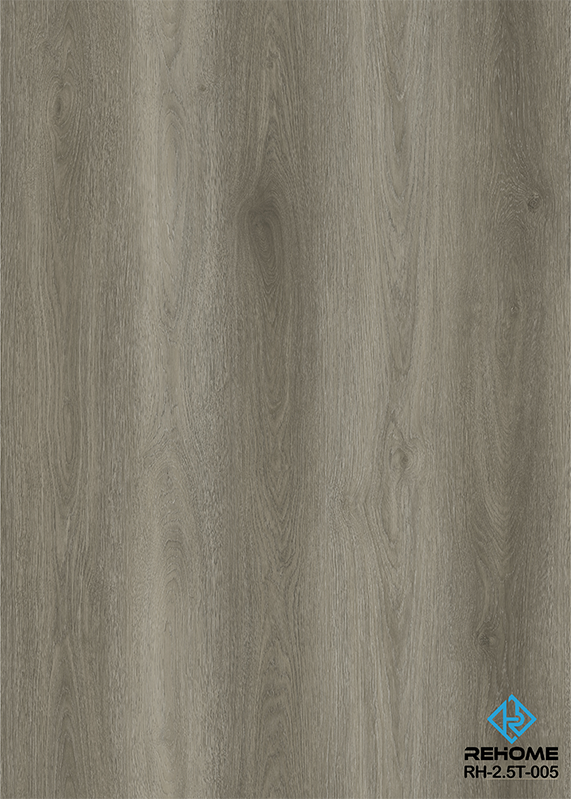
Customization has become an important service competitiveness of modern SPC floor manufacturers, covering surface pattern, board thickness, lock type and special functional improvement, which can satisfy personalized demands from engineering contractors and decoration practitioners.
Most mature manufacturers can finish small-batch customized sample production within short cycle, helping clients confirm effect before bulk order arrangement, effectively lowering trial and error cost of project procurement.
Procurement buyers can judge factory comprehensive strength from production equipment, inspection configuration and sample performance, rather than only refer to unit price, factories with complete testing labs usually deliver more stable long-term product quality.
FEEL FREE TO ASK US IN ANY OF YOUR NEED

 East Royal Building, Jiefang East Road, Yixing City, Jiangsu Province, China.
QUICK LINKS
Home Products About Re-Home Services News Contact Us Privacy
WHAT’S NEWS
Copyright © Wuxi Re-Home New Materials Co.,Ltd. Rights Reserved.