English
 Español
 Français
Home / News / Industry News / SPC Vinyl Flooring: Core Specs, Wear Layers and B2B Sourcing Guide for Importers
Industry News

Content
Quick answer: SPC vinyl flooring is a rigid-core vinyl plank built on a stone plastic composite core, and it is the right specification whenever a project needs a fully waterproof floor that clicks together over a flat subfloor without adhesive. It becomes the wrong specification when the subfloor is out of tolerance, when door clearances cannot absorb a 3.5 mm to 6 mm build-up, or when the wear layer in the quotation does not match the wear layer in the buyer's specification.
The claims that land on an exporter's desk rarely come from the letters "SPC". They come from four numbers behind those letters: core thickness, wear layer, click profile and dimensional tolerance. A 4 mm plank from one production line and a 4 mm plank from another can behave very differently under a pallet load, across a 12 m open-plan run, or in a bathroom that is wet every day.
SPC stands for stone plastic composite. The core is a blend of calcium carbonate and PVC, extruded into a dense, rigid board. That rigidity is what separates SPC from flexible vinyl: the plank spans small subfloor variations instead of following them, and it holds its shape across a long room without adhesive.
Layer stack of a typical SPC vinyl plank, from surface coating to backing.
Every layer is a cost line, and buyers who cut cost usually cut the wear layer first and the core density second. That is why two visually identical planks can look very different after a year of trolley traffic in a retail unit. Rigid does not mean indestructible either: the click tab is the thinnest and most stressed part of the plank, and it is the first thing to fail when a floor is laid over a hollow spot or pinned tight against a wall.
A quotation that lists only "4 mm SPC, 0.3 mm wear layer" leaves most of the risk with the buyer. The table below shows what each number controls and what happens when it is left loose.
| Specification | Typical range | What it controls | Risk when under-specified |
|---|---|---|---|
| Wear layer | 0.3 mm residential, 0.5 mm to 0.7 mm commercial | Scratch, scuff and abrasion resistance | Traffic lanes and dull patches appear early in the floor's life |
| Total thickness | 3.5 mm to 6 mm | Joint stability, impact resistance, transition height | Door clearances fail, transitions cannot be sourced, joints flex under load |
| Core density | Seldom published; request test data per batch | Click joint strength, plank flatness, heat stability | Peaking at the seams and cracked click tabs after one heating season |
| Click profile | Supplier specific | Assembly speed and the gap the joint tolerates | Open joints, lifted planks, callbacks for the installation crew |
| Dimensional tolerance | Length, width and squareness, stated per batch | Pattern alignment and seam tightness | Visible seam lines across a wide room and pattern drift over a long run |
| Certification pack | CE, SGS or ITS reports as the destination market requires | Customs clearance and project approval | Container held at port or product rejected at site inspection |
Wear layer is the number buyers compare most and understand least. It is measured in millimetres on a technical data sheet, not by how a surface feels in the showroom, and a thick plank with a thin wear layer will still scratch before a thinner plank with a genuine commercial wear layer.
All three categories share a vinyl surface and a waterproof core. What separates them is how they sit on the floor, and that decides the subfloor preparation, the schedule and the price.
Where a project is choosing between SPC and dryback LVT, the LVT versus SPC comparison covers the installation and durability trade-offs in more detail.
The format suits any space where water on the surface is normal and a hard, cleanable finish is wanted. Three scenarios come up most often in export enquiries.
Surface water is not the problem for an SPC plank; slip resistance and joint behaviour under repeated wetting are. Specify a textured antislip surface and check that the click joint has been tested after wet cycling, not only in a dry laboratory. A floating floor is also not a substitute for a waterproof membrane in a shower area.
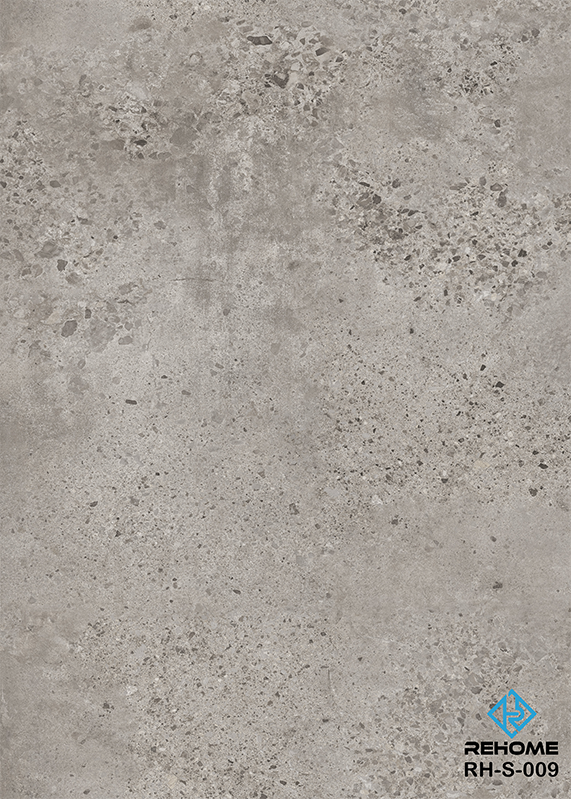 Stone Collection Anti-Slip SPC Click Bathroom FlooringFor wet bathroom specifications, this waterproof SPC click floor pairs a textured anti-slip surface with stone visuals and multiple wear-layer and core-thickness options.View Product →
Installers want a plank that cuts cleanly, closes without a mallet fight, and arrives with a consistent shade across pallets. A 4 mm to 5 mm waterproof plank with a residential wear layer and a simple click profile handles most of this work; spending the budget on extra core thickness instead of a better wear layer is a common mistake.
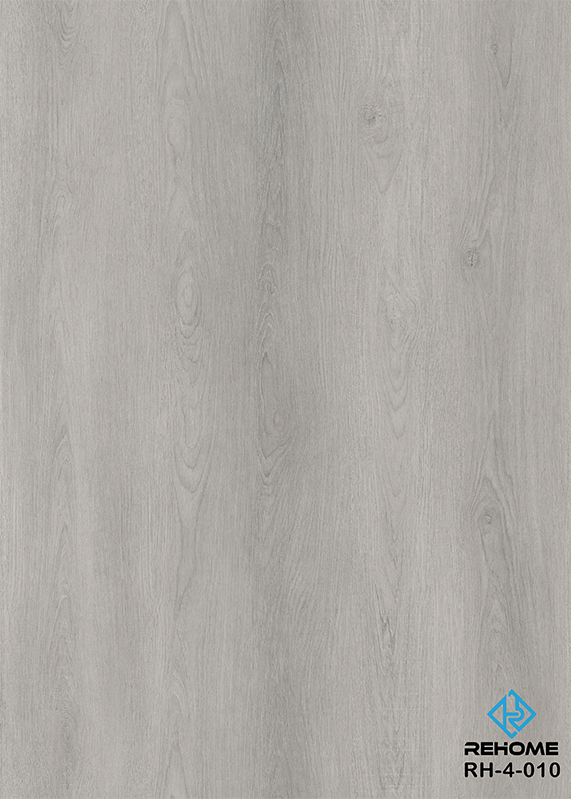 Basic Collection Waterproof SPC Vinyl Plank FlooringFor moisture-prone residential and commercial interiors, this waterproof SPC vinyl plank offers wood or stone visuals, wear-layer choices, and Unilin click-lock floating installation.View Product →
Retail floors, showrooms and corridors expose the real weakness of a rigid plank: movement over distance. Longer planks with a proven locking profile and clearly stated expansion allowances reduce visible seam movement, and the perimeter gap has to be respected at every column and door frame.
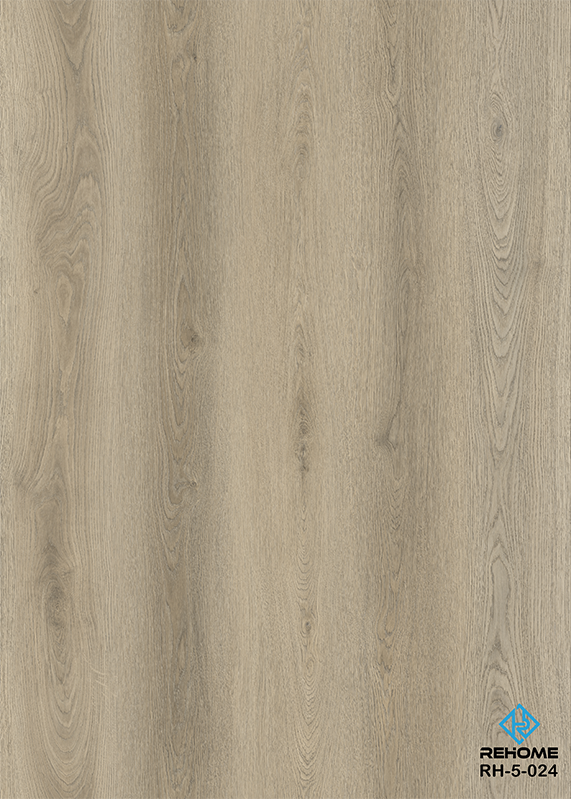 XL Collection SPC Click Lock FlooringFor long-run retail or commercial floors, extra-large waterproof SPC planks use Unilin click-lock and realistic wood or stone visuals for floating installation.View Product →
Most complaints about SPC trace back to site conditions rather than the product. Five checks cover nearly all of them.
After installation, run a straight edge across the finished floor and inspect the seams again after 48 hours. Peaking at that stage is usually a flatness problem below the floor, and it is far cheaper to correct before the furniture arrives.
Container quantities fix the batch, so the technical details are worth settling at the offer stage rather than the claim stage.
Samples, wear layer options and mixed-load planning can be arranged through our sales team, and it is worth asking for the installation guide at the same time so the site crew works to the same tolerances.
Is SPC vinyl flooring completely waterproof?
The core is waterproof and the surface will not swell when water sits on it, but the installation is not a tanking system. Water that reaches the subfloor through an open joint or an unsealed perimeter will stay there. In a shower or wet room, SPC is a finish over a separate waterproofing layer, not a replacement for one.
How thick should SPC flooring be?
For residential work over a flat subfloor, 4 mm is usually enough. Choose 5 mm to 6 mm when the substrate is less forgiving, when the floor takes heavy rolling loads, or when door clearances allow the build-up. Thickness alone says little about quality: a 0.3 mm wear layer on a 6 mm plank wears out long before a 0.5 mm commercial wear layer on a 4 mm plank.
Can SPC be installed over existing tile or concrete?
Yes, provided the surface is flat, dry, clean and sound. Grout lines and surface texture have to fall inside the flatness tolerance, which often means filling or skim coating first. A floating floor also must not be trapped by heavy fixed units such as kitchen islands, because that removes the movement the floor needs.
Does SPC need underlayment or an attached pad?
Planks with an attached backing are usually installed straight onto the substrate. Adding a separate soft foam layer under a click floor increases movement inside the joints and is a common cause of open seams. If extra sound absorption is required, choose a plank with a factory-attached acoustic backing rather than adding foam on site.
FEEL FREE TO ASK US IN ANY OF YOUR NEED

 East Royal Building, Jiefang East Road, Yixing City, Jiangsu Province, China.
QUICK LINKS
Home Products About Re-Home Services News Contact Us Privacy
WHAT’S NEWS
Copyright © Wuxi Re-Home New Materials Co.,Ltd. Rights Reserved.