English
 Español
 Français
Home / News / Industry News / Fireproof Vinyl Plank Flooring: Fire Ratings, Specs and Sourcing Guide
Industry News

Content
Fireproof vinyl plank flooring is fire-resistant rigid vinyl, not a floor that can survive fire. An SPC or LVT plank with a mineral-filled core and a top-class surface burning rating resists ignition, adds little fuel to a fire and slows flame spread across the floor, but it still chars, softens and produces smoke. The question that matters at specification stage is therefore never "is it fireproof?", but "which test standard, which class, and does the tested construction match what we are installing?"
Most rejected submittals and held shipments in this category come down to a datasheet that quotes a fire class without naming the standard or the assembly behind it. The sections below explain what the ratings mean, where they genuinely change a specification, and how to buy planks that pass inspection.
A vinyl plank is PVC resin, plasticizers, mineral filler, stabilizers and pigments, laminated into a rigid or semi-rigid core under a printed decor film, a wear layer and a UV-cured coating. Fire behaviour follows from that recipe, which is why two planks of identical thickness can test very differently.
The organic fraction, meaning the PVC in the wear layer, backing and any foam underlayment, burns under a sustained flame. The mineral fraction, typically calcium carbonate in an SPC core, does not. A core with high filler content ignites more slowly and releases less heat than a wood-based board of the same thickness, and it does not feed a fire the way cellulose does.
Three things happen in sequence. The surface chars into a carbon layer that insulates the material beneath it and slows flame spread across the floor face. Smoke is released, which is the greater evacuation hazard in interior finish fires and the reason smoke development is tested separately from flame spread. Then the plank softens and loses dimensional stability, so the floor stops acting as a structural surface well before it is consumed.
A class is only meaningful when it is tied to a named standard and to the plank construction that was tested. These are the entries to look for.
| Rating or class | Test standard | What it measures | Why buyers care |
|---|---|---|---|
| Class 1 flooring | ASTM E648 | Critical radiant flux of a floor covering system | The flooring-specific test most often required for corridors, exits and healthcare areas |
| Bfl-s1 | EN 13501-1 | Reaction to fire of floorings, including smoke class s1 | The reference point for European and CE-marked projects |
| Class A surface burning | ASTM E84 | Flame spread index and smoke developed index | Commonly cited for wall and ceiling finishes, so confirm whether the project applies it to floors |
| Smoke density | ASTM E662 | Optical density of smoke generated under test conditions | Smoke, not flame, drives evacuation time |
| Slip resistance | DIN 51130 or ASTM D2047 | Wet or dry friction coefficient | Not a fire property, but usually requested on the same datasheet |
A plank that arrives with this data is far easier to approve. Dryback vinyl specified for a corridor or a clinic, for example, should come with a flooring radiant panel report rather than a general surface burning rating borrowed from a wall product.
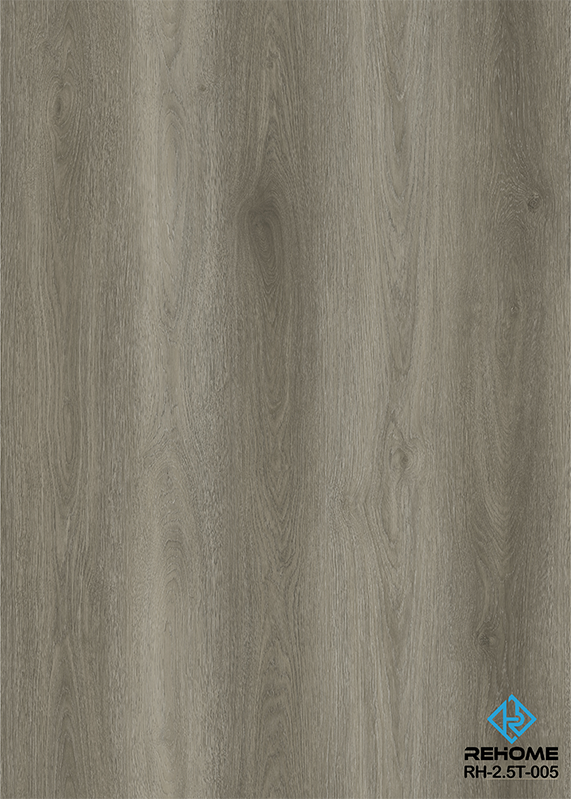
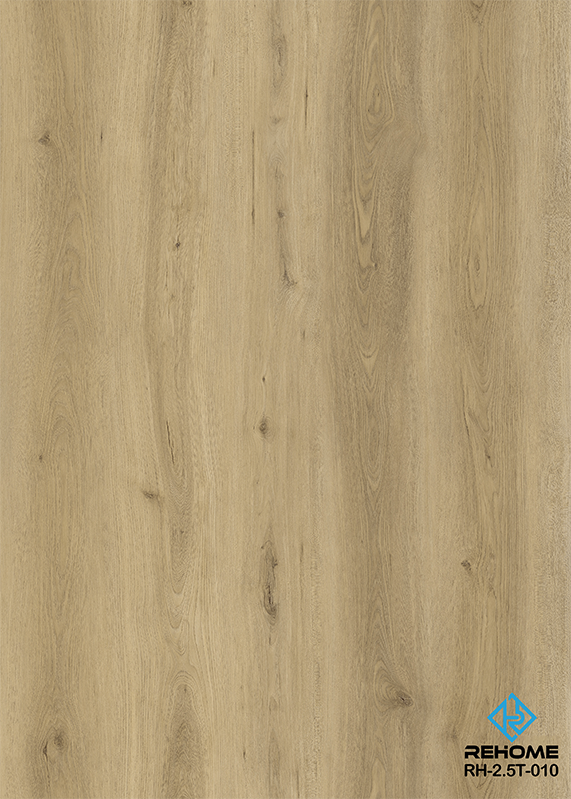 Elements Collection Fireproof Vinyl Plank Flooring with Mineral CoatingThis vinyl plank provides fire-resistant mineral coating and a dense core, supporting flooring-specific radiant panel documentation for corridors or clinics. Its wear layer and click-lock system suit commercial use.View Product →
Where the project needs a plank whose documentation and construction are already aligned with flooring-specific fire testing, that specification becomes the benchmark for the rest of the order.
Fire class matters most where people have to leave through the space. Everywhere else it is one line item among waterproofing, slip resistance and wear.
Escape routes carry the strictest interior finish rules, so document a top-class flooring system together with the exact installation materials.
Low smoke development outweighs flame spread, so request smoke density data next to the flooring class.
Open areas need consistent performance plank to plank, so confirm that the same SKU and batch were tested as a system.
Water, grease and slip resistance dominate here, so check wet friction data on the same sheet as the fire class.
Damp concrete is the usual failure point, so a waterproof rigid core over a non-combustible substrate is the safer combination.
Click-lock planks let you phase work without adhesives, but only while the tested assembly still matches the click system.
Interior finish requirements cover walls and ceilings as well as floors, and PVC wall panels are organic too. Where a corridor or service core also needs cladding, a mineral-based panel such as calcium silicate provides an A-class non-combustible option that sits naturally beside a fire-rated floor.
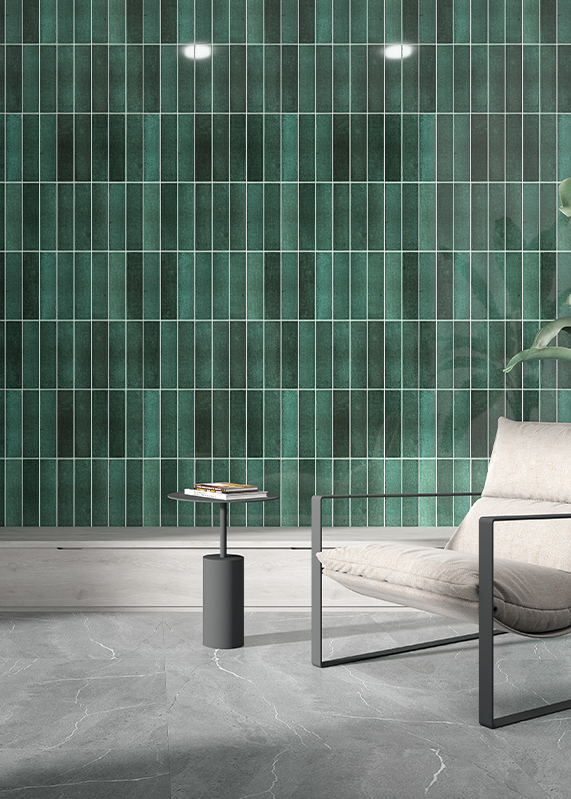 Minecore Easytile Calcium Silicate Wall Panel with Class A Fire RatingAs a non-combustible mineral-based wall panel, it complements fire-rated floors in corridors and service cores, offering dry installation and compatibility with various finishes for improved passive safety.View Product →
Suppliers compete on wear layer, decor and price, yet four other details decide whether the approved report still applies on site.
Rigid-core choice feeds into all of this. The difference between LVT and SPC in flexibility, installation tolerance and cost usually decides which plank ends up in the specification, and it is worth settling before fire documents are requested.
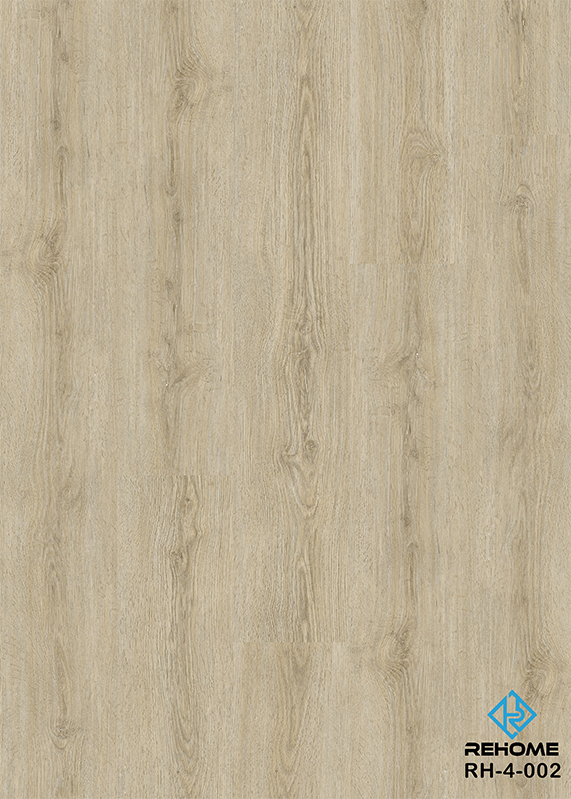
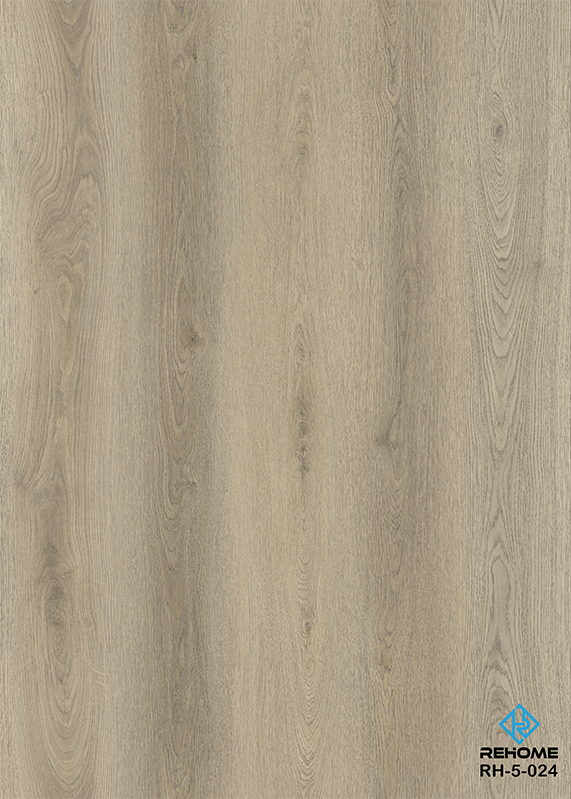 XL Collection SPC Click Lock Flooring with Rigid Stone Plastic Composite CoreThis rigid-core SPC flooring offers dimensional stability, waterproof protection, and a click-lock system. It is a practical choice for high-traffic residential or commercial spaces, and its specification should be settled before fire documentation is requested.View Product →
Work through these five checks in order, because each one protects the previous one.
All five points are cheaper to settle before the deposit than after the container sails. If you want the test data, installation guidance and physical samples in one place, get in touch with the supplier team early in the specification stage.
No, the word is shorthand. Vinyl plank is fire-resistant: it resists ignition, limits flame spread and releases less heat than wood-based flooring, but it chars, softens and produces smoke in a real fire.
Not by itself. The class follows the tested construction, meaning core chemistry, filler content, backing and adhesive. Thickness mainly affects indentation resistance, acoustics and how the floor feels underfoot.
Only outside the clearance the appliance requires, and never as the hearth surface. Ember protection needs a non-combustible material such as tile, stone or a mineral board, so check local code and the appliance manual before ordering.
Yes. Classifications are issued to an assembly, not to a plank on its own, so adding foam or switching adhesive can move the result. Keep installation materials exactly as tested.
Test reports naming the SKU, a declaration of performance where CE marking applies, installation instructions and a retained sample, delivered with the production order rather than only at quotation.
FEEL FREE TO ASK US IN ANY OF YOUR NEED

 East Royal Building, Jiefang East Road, Yixing City, Jiangsu Province, China.
QUICK LINKS
Home Products About Re-Home Services News Contact Us Privacy
WHAT’S NEWS
Copyright © Wuxi Re-Home New Materials Co.,Ltd. Rights Reserved.