English
 Español
 Français
Home / News / Industry News / SPC Vinyl Flooring Explained: Key Benefits, Drawbacks, and Buying Tips
Industry News

Quick answer: SPC vinyl flooring is a rigid, 100% waterproof floor built on a stone plastic composite core. It installs with a glue-free click-lock system, reproduces wood and stone patterns convincingly, and handles moisture, temperature changes, and daily wear far better than most traditional flooring. For kitchens, bathrooms, rental units, and light commercial spaces, it is the most practical default option you can specify.
If you need a floor that looks like wood, tolerates water, and takes heavy foot traffic without demanding complicated maintenance, SPC is hard to beat. Hardwood delivers classic aesthetics but struggles with moisture. Laminate costs less but weakens when wet. Flexible vinyl feels soft underfoot but lacks dimensional stability. SPC sits between them with the best overall balance of durability, water resistance, and cost.
SPC stands for stone plastic composite. The core is made by mixing limestone powder with PVC resin and heat-fusing the mix into a dense, rigid board. Because the core is stiff rather than flexible, SPC keeps its shape under heavy furniture, in warm rooms, and over subfloors that are not perfectly flat.
A typical SPC plank has five layers:
The planks join with a click-lock profile: you insert one plank at an angle, press down, and the edges lock together without glue or nails. The finished floor floats over the subfloor, and individual planks can be lifted later if you need to reach wiring or replace a damaged board. You can compare the dimensions, wear layers, and underlayment options across the range on our SPC flooring solutions page.
SPC is most often compared with flexible LVT (luxury vinyl tile), WPC (wood plastic composite) flooring, and solid hardwood. Each category has a different core structure and a different set of trade-offs.
| Feature | SPC Vinyl | Flexible LVT | WPC Flooring | Solid Hardwood |
|---|---|---|---|---|
| Core type | Stone plastic composite, rigid | Flexible PVC | Wood plastic composite, foamed | Solid timber |
| Water resistance | Fully waterproof | Water-resistant | Fully waterproof | Not waterproof |
| Dimensional stability | High | Moderate | Good | Moderate |
| Underfoot feel | Firm and hard | Soft and slightly warm | Soft and warm | Natural, varies by species |
| Suitable for wet areas | Yes | Conditionally | Yes | No |
| Typical rated lifespan | 15-25 years | 10-20 years | 15-25 years | 25-100 years |
SPC's strength is confidence. The dense core stays dimensionally stable in hot and cold rooms, and the waterproof composition makes it safe for kitchens, bathrooms, and basements. The firm core, however, feels harder underfoot than WPC or flexible LVT, so bedrooms and media rooms sometimes benefit from a plank with a thicker attached pad. Hardwood remains the classic look for many buyers, but it cannot match SPC's tolerance for moisture.
For a deeper comparison of the two vinyl product families, read our detailed take on the difference between LVT and SPC.
SPC floors look similar in showroom lighting, but the technical sheets differ significantly between products. Four points deserve attention before you place an order.
Total plank thickness usually ranges from 4 mm to 8 mm. The thickness of the rigid core matters more than the total: a thicker core bridges small subfloor dips and resists indentation from heavy furniture. For residential rooms, a 5 mm core is a practical baseline; commercial projects should start at 6 mm.
The wear layer is measured in mils, and 1 mil equals 0.001 inch. A 12 mil wear layer is fine for bedrooms and low-traffic living areas, while 20 mil is the recommended starting point for kitchens, entryways, and commercial spaces. The wear layer sets how many years the surface keeps its new look.
Click-lock quality varies. A well-designed profile with a reinforced lip holds planks tightly and allows a single plank to be replaced without dismantling the whole floor. Check whether the product includes an attached underlayment. If it does not, add a separate underlayment or vapor barrier to the budget.
For projects that need building approval, verify emission levels, slip resistance, and fire ratings. Third-party documentation such as CE, SGS, or ITS reports helps you clear inspections without delays.
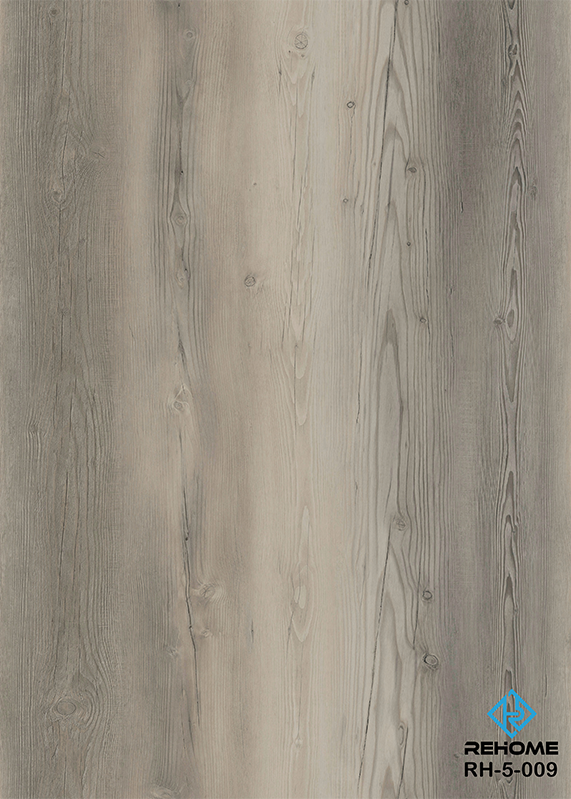
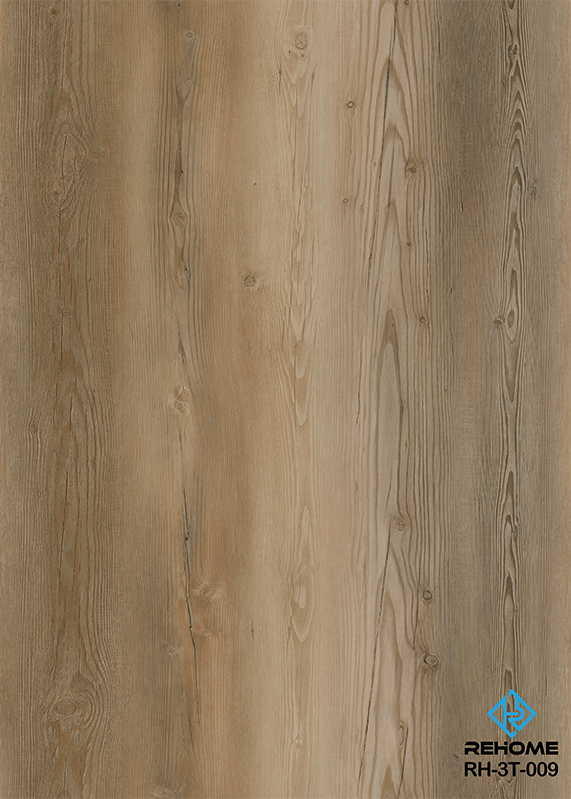
For standard residential use, the Basic Collection covers the specification most buyers actually need: a waterproof rigid core, click-lock installation, and a wear layer suited to daily living at a balanced price.
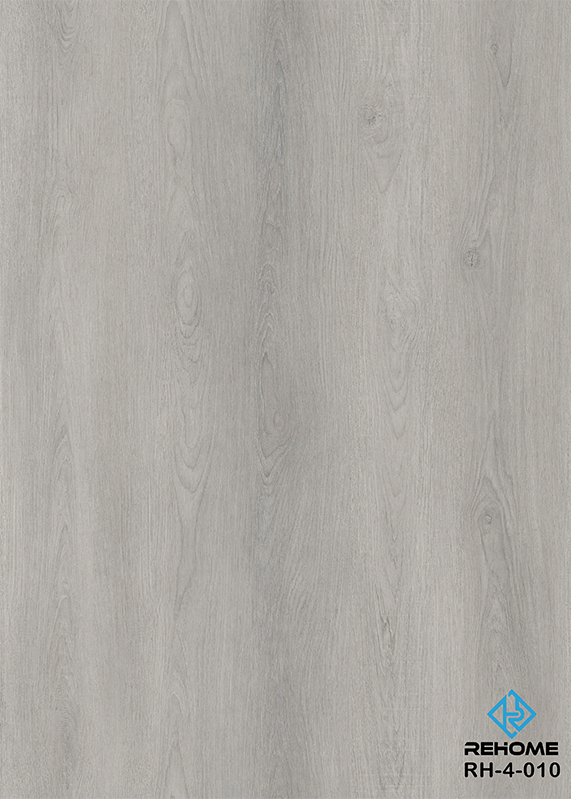 Waterproof SPC Vinyl Flooring for Everyday Residential UseThis Basic Collection plank provides a rigid waterproof core, click-lock installation, and a wear layer built for daily living. It covers the specifications most homes need at a balanced price, making it worth reviewing for moisture-prone rooms like kitchens and bathrooms.View Product →
Different rooms create different demands. The grid below matches common scenarios with the right product characteristics.
Choose a mid-thickness core with a 12 to 20 mil wear layer. Appearance and quietness matter more than maximum toughness.
Pick an SPC with an antislip surface. A textured finish keeps the floor safe even when water is present.
Prefer long planks with a reinforced locking system. A larger format means fewer joints, faster installation, and easier replacement.
Specify at least a 20 mil wear layer and the thickest core available. A commercial warranty rating is a helpful safety net.
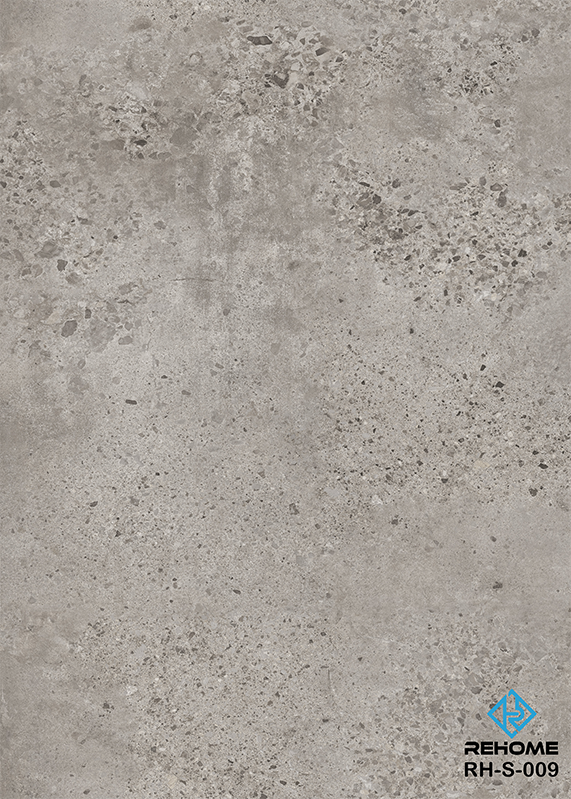
For bathroom and laundry room applications, the Stone Collection adds an antislip surface finish to the waterproof core, so the floor keeps its grip even when wet.
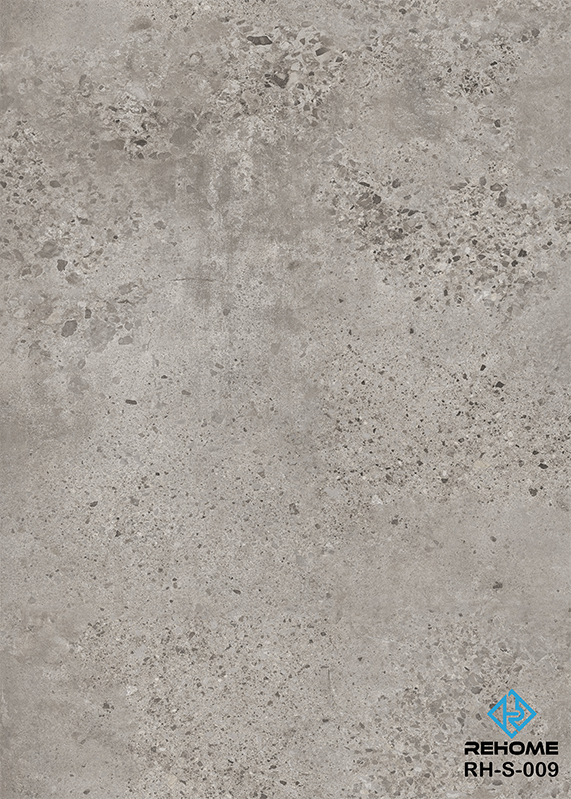 Anti-slip SPC Click Flooring for Bathrooms and Wet AreasDesigned for humid environments, this Stone Collection floor adds an anti-slip surface to a waterproof SPC core, improving grip when wet. Its click-lock system and stone-inspired look make it a strong option for bathrooms and laundry rooms where safety and moisture resistance are priorities.View Product →
SPC is one of the easiest hard-surface floors to install because it floats. No glue, nails, or staples are required, and the acclimation period is short compared with solid hardwood. Follow these steps for a clean result.
Daily maintenance is simple: sweep or vacuum with a soft brush, then damp-mop with a neutral pH cleaner. Avoid steam mops and standing water, because excess moisture can work into the joints over time. Use felt pads under furniture legs and entrance mats at doorways to stop grit, which is the main cause of surface scratches.
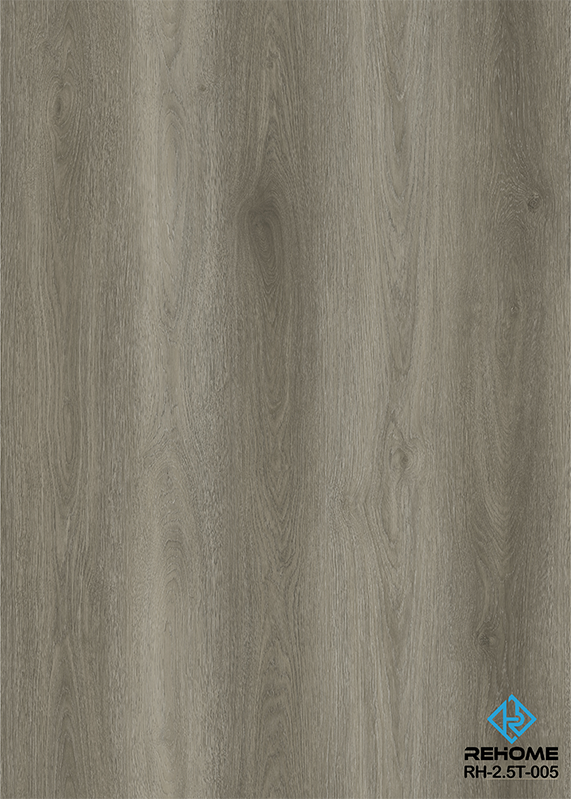
For large open layouts, longer planks reduce the number of seams and speed up installation. The XL Collection click-lock planks are designed for exactly that situation.
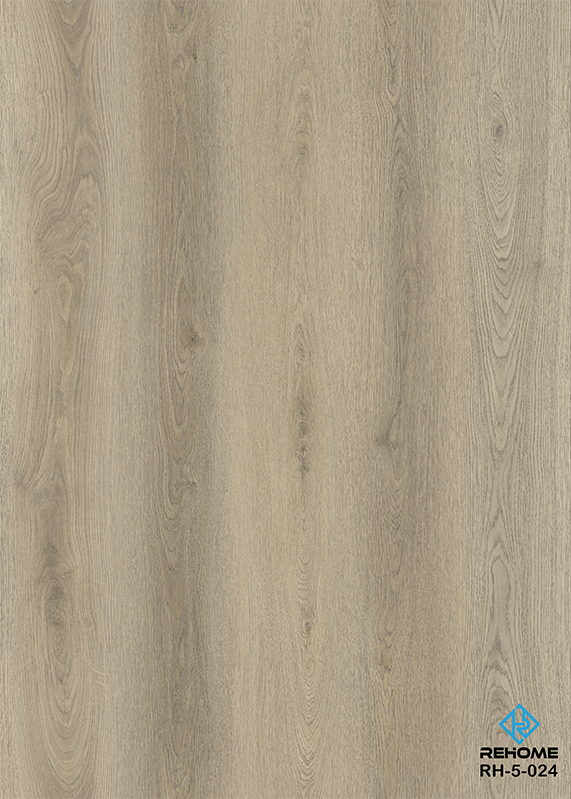 Extra-Large SPC Click Lock Flooring for Open LayoutsFeaturing longer planks that reduce seams and speed up installation, this XL Collection floor combines a waterproof SPC core with a secure click-lock system. It suits large open interiors where fewer joints and a more seamless appearance are desired, while offering durability and stability.View Product →
The SPC core is waterproof, so the planks will not swell, warp, or separate when exposed to moisture. Under a heavy flood, however, water can pass through the click-lock joints and reach the subfloor. Use a vapor barrier on concrete and dry standing water promptly.
With a 20 mil wear layer, correct underlayment, and regular maintenance, most manufacturers rate SPC floors for 15 to 25 years of residential use. Commercial lifespan depends on traffic volume and cleaning practices.
Yes, provided the existing floor is flat, clean, and firmly bonded. Deep grout lines or heavily embossed patterns can show through, so a self-leveling compound or an additional underlayment is recommended in those cases.
Yes. The waterproof rigid core handles slab moisture far better than hardwood, laminate, or carpet. Install a vapor barrier underneath if the plank does not already include a moisture barrier.
Much less than laminate or flexible vinyl, because the limestone-PVC core has a low thermal expansion rate. The floating installation and perimeter expansion gap accommodate the small movement that remains.
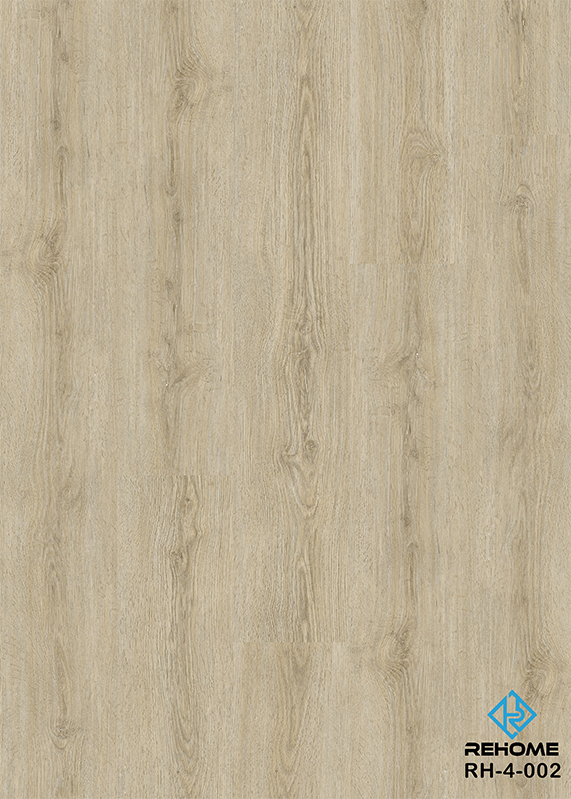
FEEL FREE TO ASK US IN ANY OF YOUR NEED

 East Royal Building, Jiefang East Road, Yixing City, Jiangsu Province, China.
QUICK LINKS
Home Products About Re-Home Services News Contact Us Privacy
WHAT’S NEWS
Copyright © Wuxi Re-Home New Materials Co.,Ltd. Rights Reserved.