English
 Español
 Français
Home / News / Industry News / SPC Waterproof Flooring: Pros, Cons, and How to Choose the Right Option
Industry News

Content
You are standing in a kitchen with a leaking dishwasher, a basement that smells damp, or a bathroom with a cracked tile. Waterproof flooring is not a luxury; it is a safety net. SPC waterproof flooring is one of the most practical answers to that problem. The short conclusion before we get into the details: if you need a floor that resists moisture and stains without warping, SPC is a strong candidate, but only when you choose a product that matches your room and traffic conditions.
SPC stands for Stone Plastic Composite. The core layer is a mixture of limestone powder and PVC resin, pressed into a rigid board. Because this core is not wood, it does not absorb water. The typical structure, from top to bottom, includes a UV-cured wear layer, a printed design layer, the rigid SPC core, and an attached underlayment (often IXPE or EVA foam). The foam layer adds sound absorption and comfort, while the wear layer takes the scratches.
The difference between SPC, WPC, and LVT is easier to see in a comparison:
| Feature | SPC | WPC | LVT Dryback |
|---|---|---|---|
| Core material | Stone plastic composite | Wood plastic composite | PVC with fiberglass |
| Water resistance | 100% waterproof core | 100% waterproof core | Very high, but less rigid |
| Dimensional stability | Excellent under temperature changes | Good | Moderate |
| Foot feel | Firmer | Softer | Softer |
| Installation | Click lock | Click lock | Glue down |
| Typical thickness | 4–7 mm | 6–8 mm | 2–3 mm |
SPC is not a one-size-fits-all answer, but it excels in several specific environments. Here is a quick reference for common situations:
Handles spills and dropped pans without swelling or denting.
Moisture does not affect the core, so no risk of wood rot.
Choose an antislip texture and a tight click lock for wet areas.
Thicker cores and heavier wear layers hold up under high foot traffic.
Homeowners often mention a clicking sound, a hard feel underfoot, and occasional edge chipping or gapping. These are not automatic defects if you know the causes and the fixes.
For a more technical analysis of whether SPC waterproof flooring really solves every waterproofing need, see our deeper look at whether SPC is the ultimate choice.
Not every SPC floor is the same. The lock, thickness, and surface texture change how the product behaves in a given room. You can review the whole SPC flooring range on our site, but here are three proven selections for different needs.
If you need a dependable floor for a rental unit, a master bedroom, or a sunroom, the Basic Collection waterproof SPC vinyl flooring delivers 100% water resistance with a straightforward click-lock system. Its 4.0 mm core is easy to handle and costs less per square foot, while still passing CE and SGS requirements.
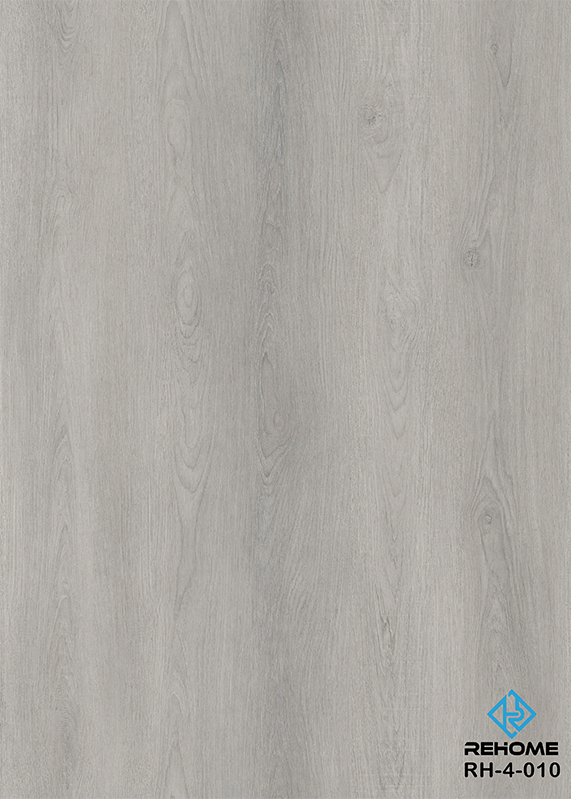 Waterproof SPC Vinyl Flooring for Moisture-Prone SpacesThis SPC vinyl floor offers complete water resistance and a 4.0 mm core, making it a practical and affordable choice for bedrooms, sunrooms, and rental units while meeting CE and SGS standards.View Product →
When the floor has to withstand heavy foot traffic, a thicker core and a more aggressive locking mechanism matter. The XL Collection SPC click lock flooring uses a 5.0 mm core with reinforced edges, designed to reduce gapping and improve load-bearing capacity. This is a common choice for dining rooms, hallways, and sitting areas.
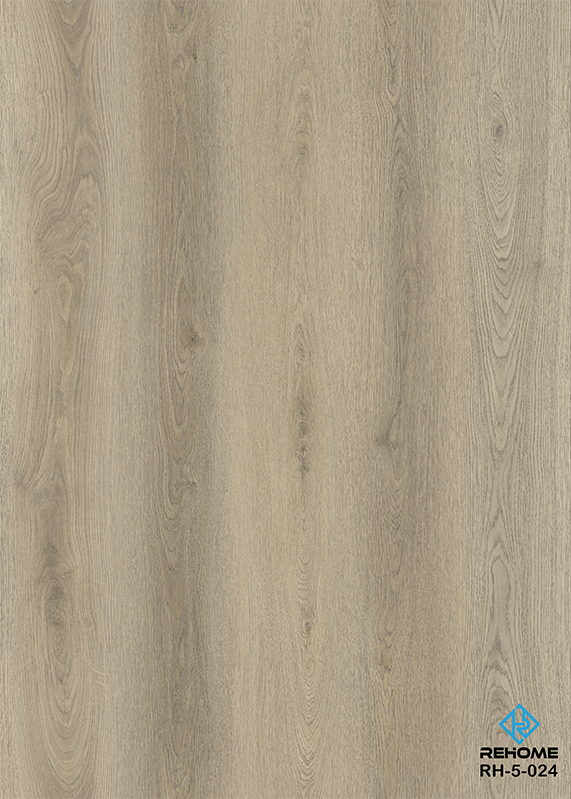 Durable SPC Click Lock Flooring for High-Traffic AreasWith a 5.0 mm core and reinforced edges, this flooring reduces gapping and improves load-bearing capacity, making it well suited for dining rooms, hallways, and sitting areas that see heavy foot traffic.View Product →
Bathrooms and utility rooms need grip. The Stone Collection antislip SPC click floor for bathroom applies a textured surface with a slip resistance rating that meets common wet-area standards. The stone-look design helps hide water spots, while the click lock keeps moisture from penetrating the joints.
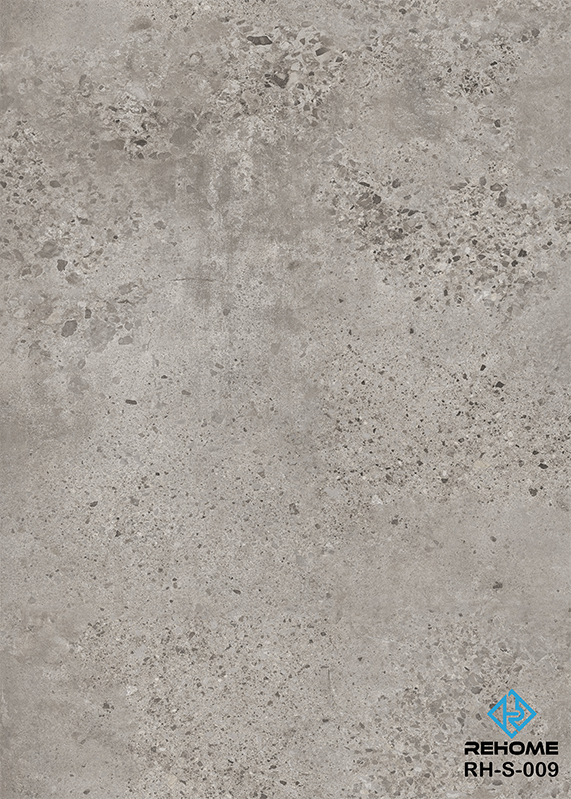 Anti-Slip SPC Click Floor for Bathroom SafetyDesigned for wet environments, this floor features a textured anti-slip surface and a click-lock system that keeps moisture from penetrating joints, providing safe footing in bathrooms and utility rooms.View Product →
Installation is not difficult, but the prep work separates a long-lasting floor from one that starts clicking after a year. Follow these three steps.
For daily care, a dust mop and a lightly damp mop are enough. Avoid steam cleaners on floors with attached IXPE underlayment, because repeated heat and moisture can soften the pad. Wipe up standing water as fast as possible, even though the core cannot absorb it.
If you buy in bulk, do not rely on photos. Ask for samples and verify the core, wear layer, and lock profile. Request a full test report for water absorption, dimensional stability, and formaldehyde emission. Also check the shade consistency between batches.
| Checklist item | What to confirm |
|---|---|
| Total thickness | 4 mm is common for residential; use 5 mm or more for commercial |
| Wear layer | 0.3 mm is entry-level; 0.5 mm is better for heavy traffic |
| Core density | Aim for at least 1,800 kg/m³ for dimensional stability |
| Locking mechanism | Hand-fit a sample and look for loose joints or bevel chips |
| Certifications | CE, SGS, or ITS test reports should be available, not just self-declared |
Yes, the core itself does not absorb water. But the seams between planks are still mechanical. If the floor is flooded, the core will not swell, but you should dry the surface quickly to keep the locking system stable over time.
With a 0.3 mm wear layer, expect 15 to 20 years in a normal household. For a 0.5 mm commercial-grade wear layer, the service life can extend further with proper maintenance.
Yes, but allow the planks to acclimate to the actual temperature before installation. Avoid placing them near a direct heat source, and leave an expansion gap that accounts for wider temperature swings.
SPC is far more resistant to water than laminate, which swells once moisture reaches its fiberboard core. However, laminate can feel slightly quieter and softer underfoot. Choose SPC when moisture is the main concern.
FEEL FREE TO ASK US IN ANY OF YOUR NEED

 East Royal Building, Jiefang East Road, Yixing City, Jiangsu Province, China.
QUICK LINKS
Home Products About Re-Home Services News Contact Us Privacy
WHAT’S NEWS
Copyright © Wuxi Re-Home New Materials Co.,Ltd. Rights Reserved.