English
 Español
 Français
Home / News / Industry News / Vinyl Plank Flooring Explained: Types, Key Specs, and How to Choose the Right One
Industry News

Vinyl plank flooring is a wood-look floor built from layered PVC, and the fastest way to buy well is to match three things before you compare prices: the core type, the wear layer, and the installation method your subfloor allows. Choose an SPC rigid core for kitchens, bathrooms, and ground floors where water and movement are the risks; choose glue-down dryback LVT for commercial areas with heavy traffic; choose looselay when speed and single-plank replacement matter most. The rest of this guide explains how each construction behaves in real rooms, which specifications decide lifespan, and what to confirm with a supplier before you place an order.
Strip away the decor names and every vinyl plank is a four-layer sandwich. On top sits the wear layer, a transparent PVC film charged with additives against scratches and UV light; its thickness is the single best predictor of how long the floor will keep looking good. Below it lies the print film, a high-definition photograph of wood or stone, usually embossed so the grain matches the texture you can feel. The core occupies most of the thickness: the rigid, limestone-heavy SPC core, the flexible PVC of traditional LVT, or the fibreglass-reinforced PVC behind looselay products. A backing layer closes the stack and adds cushioning or sound reduction. When two planks look identical online, it is almost always the wear layer and the core that justify a price difference, never the picture.
Suppliers group vinyl plank flooring into three constructions. The decor may look the same across all three; how each one handles water, traffic, and uneven subfloors is very different.
The SPC core replaces much of the plastic with limestone powder, making the plank dense, dimensionally stable, and hard to dent. Planks click together and float over the subfloor, tolerating small bumps and the temperature swings that make lesser floors gap or peak. This is the default choice for kitchens, bathrooms, ground floors, and households with pets — a representative rigid-core click-lock product is shown below.
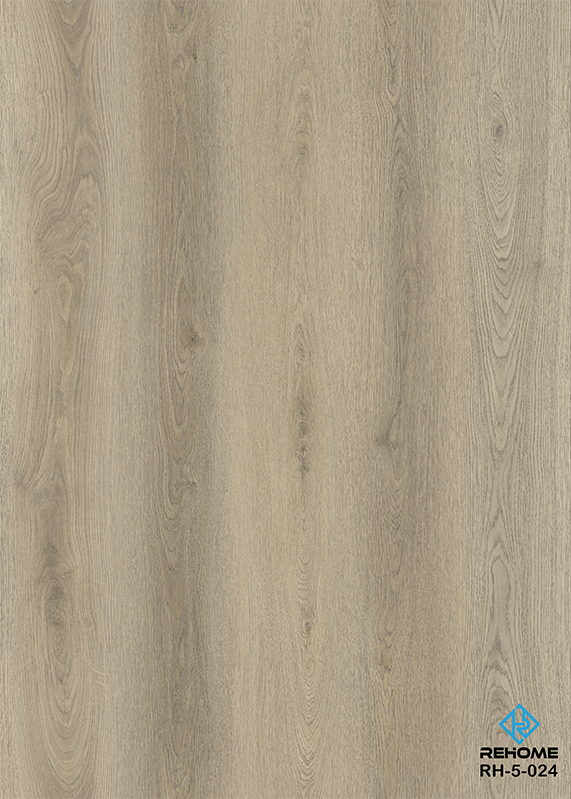 XL Collection SPC Click Lock FlooringA representative rigid-core click-lock SPC plank for kitchens, bathrooms, and pet households, offering 100% waterproof, dimensionally stable floating installation.View Product →
Dryback LVT is a thinner, flexible plank bonded over the whole surface with adhesive. Because it cannot shift, it is the format specified for shops, offices, and hotels, where trolleys and castor chairs would eventually work a floating floor loose. It also sits lower, so door transitions are simpler. Where fire performance is part of a commercial specification, a fire-retardant line such as the Elements Collection is used in place of standard LVT.
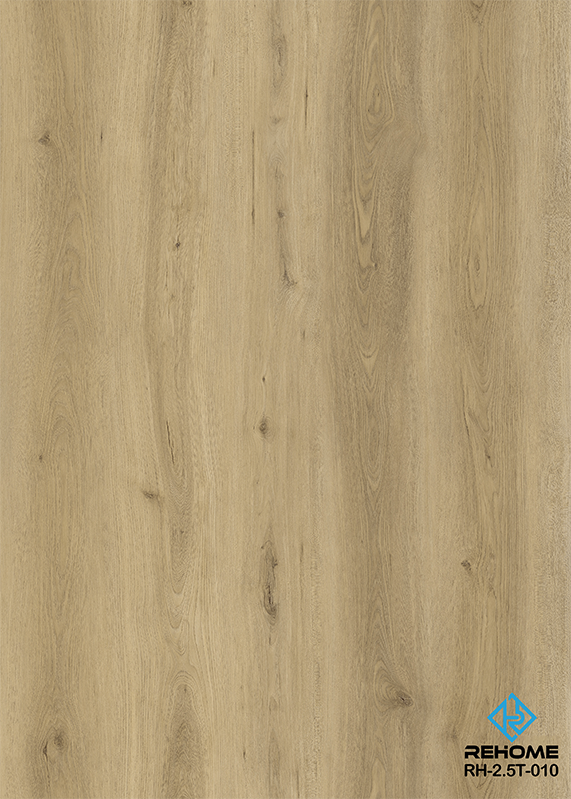 Elements Collection Fireproof Vinyl Plank FlooringThe Elements Collection Fireproof Vinyl Plank Flooring features a composite structure with a dense core layer and a fire-resistant mineral coating, providing effective...View Product →
Looselay planks carry a heavy fibreglass-reinforced backing that grips the subfloor by weight and friction — no glue, no clicking. A single plank can be lifted and replaced in minutes, which is why rental operators, showrooms, and renovation crews favour the format. It also bridges slight subfloor irregularities better than glue-down, provided the surface is clean and dry; the Haven Collection shows the format at its full 5.0 mm thickness.
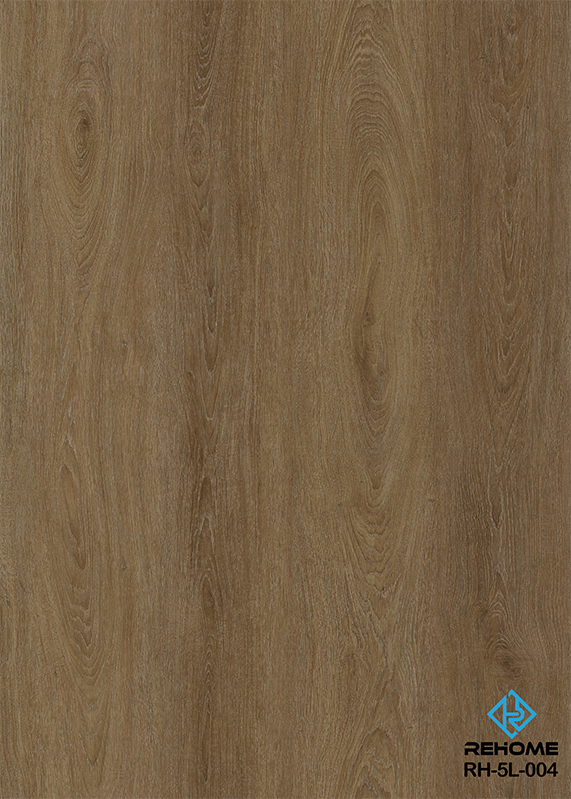 Haven Collection 5.0mm LooseLay FlooringFibreglass-reinforced glueless planks that grip by weight and friction, letting single planks be lifted and replaced in minutes during renovations.View Product →
Photographs sell vinyl flooring; specifications decide how it ages. Before comparing quotes, put these four lines from the technical datasheet side by side, and ask for CE, SGS, or ITS test reports rather than accepting claims from a web page.
| Specification | Typical range | Why it matters |
|---|---|---|
| Wear layer | 0.3 mm suits most homes; 0.5 mm and above for shops and corridors | The clear top layer takes the scratching; once worn through, the print below cannot be repaired |
| Total thickness | 2.5 mm dryback LVT up to 5.0 mm SPC or looselay | Thicker cores bridge unevenness and sound more solid, but thickness alone is not a quality grade |
| Core type | Rigid SPC, flexible LVT, fibreglass-reinforced looselay | Decides dimensional stability, underfoot comfort, and which installation methods are possible |
| Expansion gap | 8-10 mm at walls and fixed objects | PVC expands with heat; without a gap, joints peak and plank edges lift |
Batch colour and locking strength are the two qualities no datasheet captures well, so order samples from the current production batch and test a joint by hand. For a fuller pre-purchase list, our checklist on how to choose high-quality rigid core vinyl flooring covers certification, wear-layer claims, and the questions worth putting to a supplier in writing.
Most vinyl plank flooring sold for homes uses a click-lock edge, and a careful DIY installer can finish an average room in a weekend. Five steps matter more than the rest:
Glue-down dryback is a different trade: prime the subfloor, trowel adhesive at the specified spread rate, lay and roll the planks, and keep traffic off until the adhesive cures. That work rewards professional tools and experience.
Day-to-day care is deliberately boring. Sweep or vacuum to remove grit — abrasive particles, not water, are what shorten a vinyl floor's life — then damp-mop with a pH-neutral cleaner. Skip steam mops, which force heat and moisture into the joints, and fit felt pads under furniture legs. With a 0.5 mm wear layer and ordinary care, a vinyl plank floor commonly serves fifteen to twenty years in a home. Commercial corridors with trolleys and grit work through the same surface far faster, which is exactly why the wear layer specification matters more there than the decor you first fell for.
The plank itself is: PVC does not absorb water, so spills, humidity, and wet mopping do not swell the core the way they damage laminate. The weak points are the joints and whatever sits underneath. Wipe up standing water, pick a waterproof SPC plank for bathrooms, and make sure the subfloor is dry before installation.
For most homes, SPC click-lock is easier and more forgiving. For commercial areas with castor chairs and heavy traffic, fully bonded dryback LVT stays put and can be repaired plank by plank after years of service. The construction differences are laid out in detail in our SPC versus LVT comparison.
Click-lock and looselay planks can, if the tile is sound, level, and clean; grout lines wider than a few millimetres should be levelled first. Dryback LVT needs a bonded, prepared subfloor, so old tile usually has to be ground down or skimmed with levelling compound first.
Plan for 5-10% over the measured area to cover cuts and layout mistakes, and keep a box from your batch for later repairs. Colour varies slightly between production batches, so a plank bought two years later may not match. With looselay, a single damaged plank can be swapped out without disturbing its neighbours.
The specification ranges and installation tolerances in this article reflect the following sources:
FEEL FREE TO ASK US IN ANY OF YOUR NEED

 East Royal Building, Jiefang East Road, Yixing City, Jiangsu Province, China.
QUICK LINKS
Home Products About Re-Home Services News Contact Us Privacy
WHAT’S NEWS
Copyright © Wuxi Re-Home New Materials Co.,Ltd. Rights Reserved.