 English
 Español
 Français
Industry News
You've probably seen vinyl plank flooring in countless renovation displays and product listings, but you may still be unsure if it's the right choice for your kitchen, basement, or rental property. The question is no longer whether vinyl plank is a "real" flooring option (it clearly is), but rather what type of vinyl plank suits your specific room conditions, installation limitations, and budget. This guide walks you through the material structure, major categories like SPC and LVT, honest comparisons to hardwood, and a practical selection framework so you can go from research to confident purchase without relying on sales pitches.
What is vinyl plank flooring?
Vinyl plank flooring is a multi-layer synthetic flooring product designed to mimic the look of natural wood while offering better water resistance and lower maintenance than solid wood. Unlike older vinyl sheets or tiles, vinyl planks are manufactured as rigid or semi-rigid boards with a locking mechanism or flexible backing, making them suitable for a wide range of residential and commercial installations.
The term "plank vinyl" is often used as an umbrella for several subcategories, including SPC (Stone Plastic Composite), LVT (Luxury Vinyl Tile), WPC (Wood Plastic Composite) and self-supporting formats. Understanding the differences between these is the first step in choosing a product that will really work well in your space.
The Basic Structure of a Vinyl Plank
A typical vinyl plank consists of four layers, each with a specific function. Knowing what these layers do will help you compare products more critically, especially when reviewing supplier spec sheets.
- Wear layer (top layer): This UV-cured clear coat protects against scratches, stains and fading. Thickness is measured in mils (one mil = 0.001 inch). Residential planks typically have wear layers of 6 to 12 mils, while commercial grade options go up to 20 mils or more.
- Printed film (design layer): A high-resolution photographic layer that replicates wood grain, stone, or other textures. The best printed films use deeper embossing to combine visual texture with tactile sensation.
- Core (spine): This determines the rigidity, dimensional stability and water resistance. SPC cores use a limestone and PVC composite for maximum rigidity, WPC cores use a foamed wood and plastic composite for a softer ride, and flexible LVT cores provide more springiness underfoot.
- Backing (underlying layer): The bottom layer provides stability and protection against moisture. Some products include an attached IXPE foam pad for added underfoot comfort, while others require a separate subfloor.
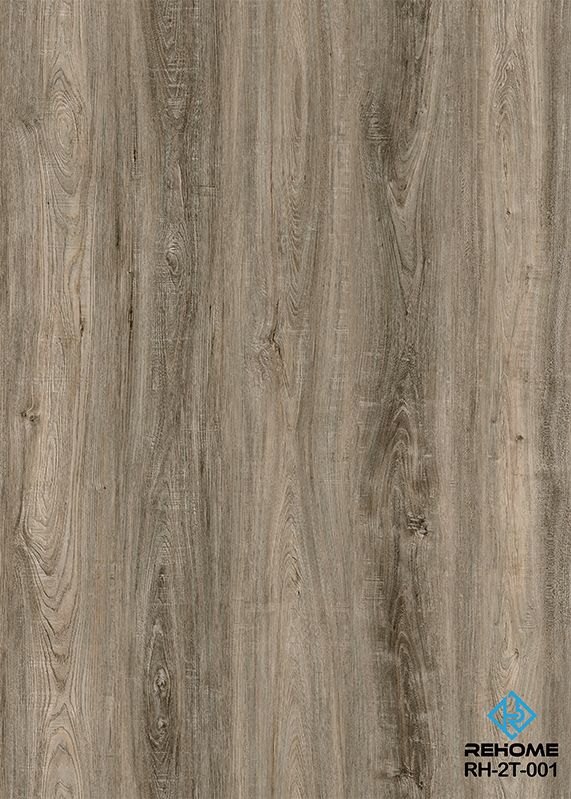
For example, our Canvas collection is a waterproof dryback LVT sheet that uses a flexible core with a printed wood design, while the Elements collection is a fire-retardant vinyl plank with a semi-rigid construction for projects requiring a higher fire rating. The choice of core and backing directly affects the feel of the floor and how it behaves over time.
Main types of vinyl plank flooring: SPC, LVT, WPC and Looselay
Once you understand the basic structure, the next logical question is which category suits your project. The market has settled on four main types, and each of them solves a slightly different set of problems. If you want to dive deeper into the technical distinction between the two most popular, read our full breakdown of the difference between LVT and SPC flooring .
SPC Flooring – The Rigid Core Workhorse
SPC (Stone Plastic Composite) flooring uses a rigid core made from a mixture of limestone powder and PVC. This composition makes the board exceptionally dimensionally stable: it expands and contracts less with temperature changes than other types of vinyl. It is also completely waterproof because the core does not absorb moisture and the edges are designed to lock tightly.
The main advantage of SPC is its suitability for areas with high humidity, temperature changes and heavy furniture. Kitchens, bathrooms, basements and entryways are safe areas for SPC. The downside is that the rigid core feels firmer underfoot than softer vinyl alternatives, which is why some owners prefer an attached IXPE foam backing.
By looking at SPC options, you can match the product to your specific moisture exposure. Our Waterproof SPC flooring Basic Collection is a practical entry-level option for general living rooms, while the XL Collection offers larger planks and a click-lock system for faster installation in open spaces.
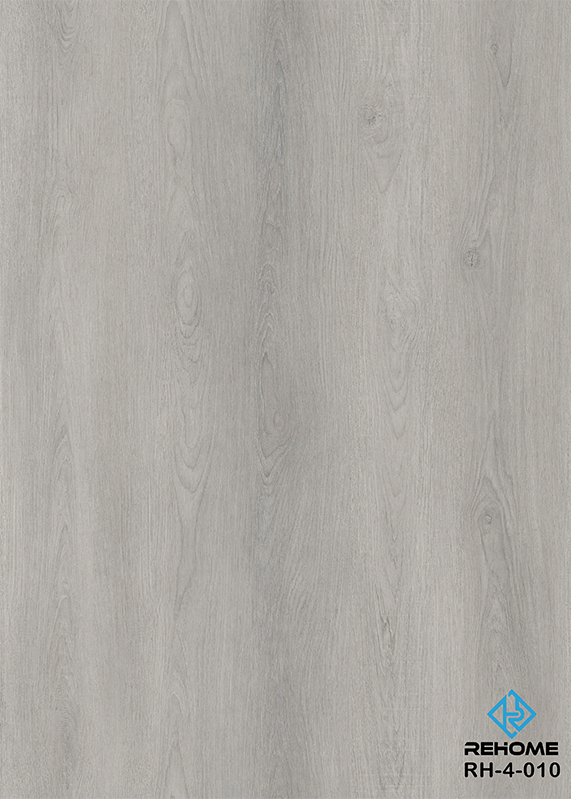 Waterproof SPC vinyl basement flooring suppliers, factory Wuxi Re-Home New Materials Co.,Ltd is China wholesale base collection waterproof SPC vinyl flooring suppliers, factory, we offer... See product →
 LVT Dryback Floors: Comfort and Versatility
LVT (Luxury Vinyl Tile) is a flexible vinyl product that is typically installed with adhesive, a method often called "dryback" because the boards arrive dry and are glued to the subfloor. Because LVT does not have a rigid core, it offers a softer, warmer ride that some users prefer in bedrooms and living rooms. It also bends more easily over imperfect subfloors, although the surface should still be fairly smooth.
The dryback installation method is preferred in commercial settings because the adhesive creates a permanent bond that feels sturdier under rolling loads, such as office chairs and shopping carts. It's also a good option for large areas where a fully floating floor may seem too "bouncy."
However, LVT is not a single product family. Some LVT lines are designed for specific risks. Our fireproof vinyl plank from the Elements collection is designed for projects with more stringent fire safety requirements, while the Muse collection focuses on easy installation for DIY users who want a glued-on format without excessive setup time. For a detailed tutorial of the installation itself, you can refer to the step-by-step guide at how to complete a standard installation with dryback LVT glue .
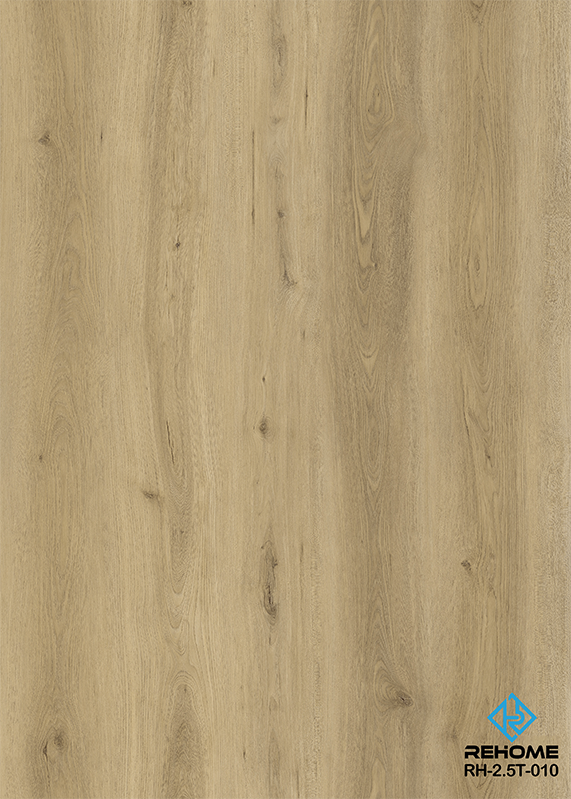 Element Collection Fire Retardant Vinyl Plank Flooring Wholesale Suppliers, OEM Made Wuxi Re-Home New Materials Co.,Ltd is China's leading wholesale OEM Element Collection Fire Retardant Vinyl Plank Flooring factory and suppliers, T... See product →
 Loose floors: innovation without glue
Loose vinyl floors are a hybrid format that is between a floating floor and a glued floor. The planks are laid loose on the subfloor without adhesive and stay in place thanks to the friction of a heavy backing and an edge-lock system that helps the planks grip each other. Some loose products also use a slight adhesive strip along the edge, but these can usually be removed.
The biggest advantage of Looselay is speed and reversibility. It is an excellent option for rental properties, temporary commercial spaces or renovations where you want to avoid the glue drying time and acoustic concerns of a hard SPC core. You can often install it over an existing smooth floor without removing the old surface, as long as it is clean and level.
We offer two loose collections that illustrate how thickness affects performance. The Haven Collection is a 5.0mm product with more padding for residential comfort, while the Nova Collection is a 4.5mm option that works well in commercial environments where a lower profile is preferred. To understand the full context of this category, read more about When self-supporting vinyl makes the most sense .
Key benefits: waterproof, durable and easy to maintain
When people compare vinyl planks to hardwood, laminate, or tile, three benefits consistently stand out: water resistance, scratch resistance, and low maintenance. These are not marketing claims, they are direct consequences of the construction of the material.
- Waterproof performance: Unlike laminate, which only resists moisture on the surface, most vinyl plank cores are completely waterproof. This allows installation in wet areas such as showers, laundry rooms, and basements without worrying about swelling or cupping.
- Durability: The wear layer protects against daily foot traffic, pet claws, falling objects, and moving furniture. Homes with high traffic may choose a thicker wear layer (12 mil or more) to significantly extend the life.
- Easy cleaning: Vinyl planks do not require waxing, sanding or polishing. A damp mop and mild cleaner are sufficient for routine maintenance, saving time and maintenance costs in the long run.
Waterproof performance – a game changer for wet areas
To be clear, not all vinyl planks are equally waterproof. There is a difference between "waterproof surface" (where water drips on the top but can seep through the seams) and "fully waterproof" (where the core, edges and backing resist water penetration). SPC and WPC cores are generally completely waterproof because they do not contain organic materials that absorb moisture.
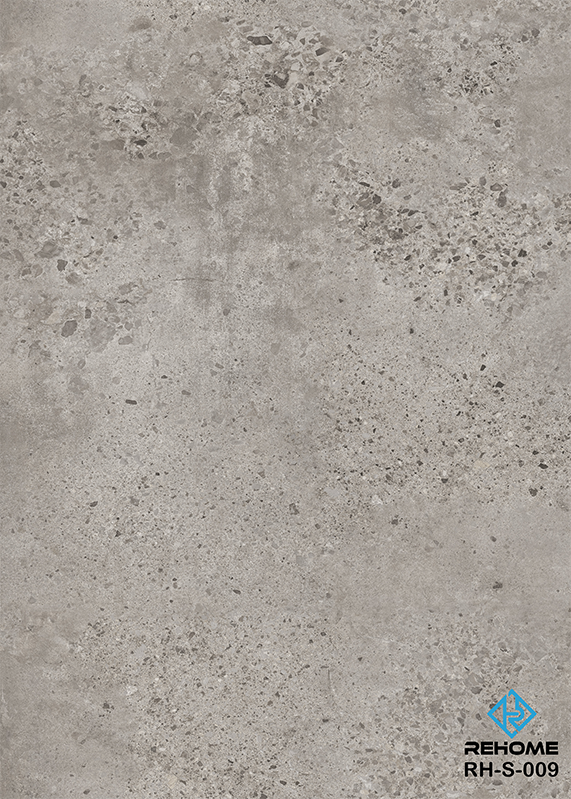
For spaces like basements with occasional flooding or bathrooms with high humidity, choosing a fully waterproof SPC is the safest bet. Our Stone Collection, which you will find below in the room combination section, is designed specifically for humid areas. If you want to understand the technical details, our article on Why waterproof SPC is often considered the best option Explain the mechanism in simple language.
Durability in high traffic spaces
Wear layer thickness is the most important specification for predicting how a floor will look after several years of use. The measurement is given in mils and a higher number means better protection against scratches and scuffs. For a typical house, 6 to 8 thousand is enough; for a busy family with pets, 12 to 20 thousand is safer; For commercial environments, 20 thousand or more is recommended.
However, the wear layer is not the only factor. The density of the core and the quality of the locking system are also important because a weak joint can allow moisture to reach the subfloor, causing mold or damage. If you are planning a heavy-duty installation, review the data we collect in the Durability of rigid core vinyl in high traffic areas. before finalizing your choice.
Vinyl Plank Versus Hardwood and Laminate: An Honest Comparison
It would be easy to list only the advantages of vinyl planks, but an honest comparison will help you decide when it is truly the best option and when you would prefer a natural material. The following table summarizes the key differences in five dimensions that interest most buyers.
| factors | Vinyl Plank (SPC/LVT) | Laminate | hard wood |
|---|---|---|---|
| Water resistance | Fully waterproof (SPC/WPC) | Tough surface, core may swell | Poor unless sealed, still vulnerable |
| Underfoot comfort | Firm (SPC) to soft (LVT) | Firm, often with foam padding. | Natural warmth, hard surface. |
| Scratch resistance | High (depending on wear layer) | moderate | Low to moderate, refinishable |
| Repairability | Replace individual planks | Replace planks | Sand and repaint several times |
| typical life expectancy | 10 to 20 years | 10 to 20 years | 25 to 100 years with maintenance |
As the table shows, vinyl planks gain in water resistance and maintenance, but they can't match the lifespan or finishing ability of solid wood. If you plan to stay in a home for more than twenty years and are considering resurfacing the floor, hardwood may be a better long-term investment. On the other hand, if you need a floor that works perfectly in a bathroom, sunroom, or rental unit, vinyl planks are the most rational choice. For a more in-depth look at the tradeoffs, we've published An Honest Comparison Between SPC Flooring and Hardwood that addresses the emotional and practical aspects of the decision.
How to Choose the Right Vinyl Plank for Your Project
Choosing a vinyl plank is not about finding the “best” product in absolute terms; It's about finding the product that best suits your room conditions, subfloor type, installation skill level, and budget. The following five-step framework will help you logically narrow down your options.
- Identify the environment: Residential or commercial? Dry areas or humid areas? Does the room have large temperature changes like a sunroom?
- Decide the type of core: Rigid SPC for stability and waterproofing, flexible LVT for comfort or loose for removability.
- Select the use layer: 6-8 mil for light residential use, 12 mil for average homes with pets, 20 mil for commercial or very heavy use.
- Match the installation method: DIY click closure, glued for maximum stability, loose for speed and reversibility.
- Consult certifications: Look for CE, SGS or ITS documentation to confirm quality and environmental compliance. Ask the supplier directly if they are available.
Match the table to the room
Use the room-by-room guide below as a quick reference when moving into the product selection phase.
- Bathrooms and laundry rooms: Choose a waterproof SPC with a textured surface for added slip resistance. Our SPC non-slip click floor designed for bathrooms
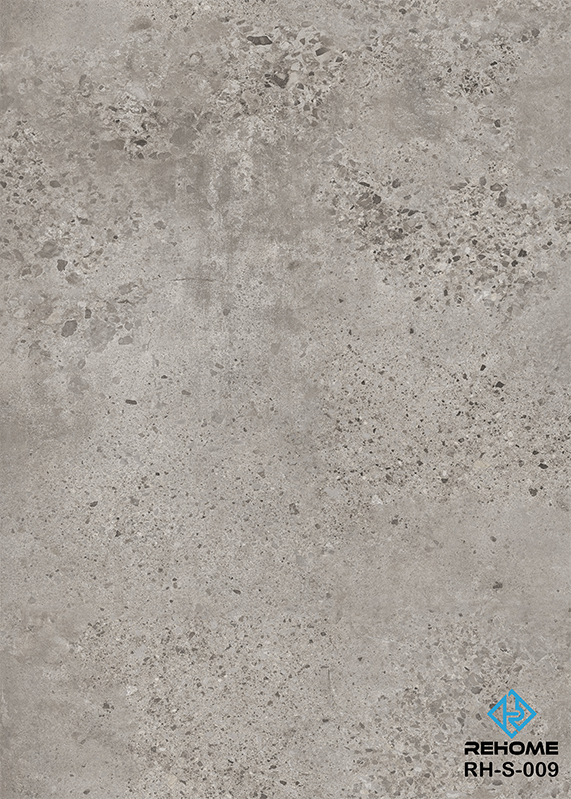 Wholesale Stone Collection SPC Non-Slip Click Floor for Bathroom Suppliers, OEM Wuxi Re-Home New Materials Co.,Ltd is China's leading wholesale OEM stone collection non-slip SPC click floor supplier for bathroom suppliers and made... See product → is a good example of a product created for this purpose.
 - Basements: Always use a fully waterproof rigid core (SPC or WPC). Avoid drying LVT unless the subfloor is exceptionally dry and sealed, because moisture can migrate through the adhesive bond.
- Living rooms and bedrooms: If you prefer a softer ride, choose an LVT with a thicker backing or an SPC board with a layer of IXPE foam attached. This adds a bit of cushioning without sacrificing stability.
- Kitchens: A mid-range SPC with a 12 mil wear layer is practical. Spills are common, but they are easily cleaned without damaging the floor.
- Commercial areas: Opt for a commercial grade LVT with a 20 mil wear layer. Glue down installation is preferred in commercial and office environments to prevent floor shifting under rolling loads.
Questions to ask before buying
Whether you're a homeowner or B2B buyer, asking the right questions before purchasing can save you from costly mistakes. Responses are also a good indicator of the provider's professionalism.
- Can you provide CE, SGS or ITS certification for this product line?
- What is the exact thickness of the wear layer (in mils)? Is it printed on the spec sheet or just promised verbally?
- What is the core density of SPC board? Lower density can cause dents in heavy furniture.
- Can you customize the color, board size or bezel design for large order?
- What are the MOQ (minimum order quantity) and delivery time for a standard container?
Installation Overview: Click, Glue and Loose Placement
The installation method you choose affects the time, cost and performance of the floor over time. All three approaches are viable, but each has a different learning curve and equipment requirements.
Click Lock (Floating): This is the most DIY friendly method. The planks are connected edge to edge with a locking mechanism and "float" above the subfloor, with a thin layer underneath. Requires minimal tools (an impact block, traction bar, and spacers) and can be installed on most clean, level surfaces. Planks should be allowed to acclimate in the room for 48 hours before installation. If you choose this route, our SPC Flooring Installation Guide (PDF) provides the exact steps we recommend for a stable and long-lasting result.
Glued (dryback): This method is used for flexible LVT planks. A trowel is used to spread adhesive over the subfloor and then the boards are pressed into place. The glue offers the strongest bond and is ideal for large areas, heavy rolling loads, and rooms with high foot traffic. The downside is that it is messy, requires adhesive, and the flooring cannot be reused if you decide to replace it.
Loose placement: As explained above, these planks are simply laid over the subfloor without adhesive. The combination of friction backing and edge locking keeps them in place. It is the quickest method and allows the floor to be lifted and reinstalled elsewhere, but should not be installed in rooms where the floor may be exposed to standing water for long periods.
Conclusion: Making the Right Choice for Your Space
Vinyl plank flooring is a broad category, but the selection process doesn't have to be overwhelming. Start by confirming the environment of the room, choose a type of core that matches the humidity level and underfoot comfort you need, then choose the wear layer based on the amount of traffic the floor will actually see. Finally, match the installation method to your skills and the time you are willing to invest.
If you are a homeowner, limit your choice to one or two candidate series and order a sample to check the color and texture of your lighting. If you are a B2B buyer, use the questions listed above to evaluate suppliers and request third-party certifications, such as CE or SGS, to confirm quality claims. Above all, remember that clearly understanding your requirements (before looking at catalogs) is the most reliable way to avoid a regrettable purchase.
Once you have a short list, you are welcome to Request a sample or get a quote. from our team and we will help you confirm which of our collections matches your project parameters.