English
 Español
 Français
Home / News / Industry News / Dryback LVT Flooring Explained: Benefits, Drawbacks, Installation & Selection Tips
Industry News

Content
A hotel corridor is not the place for a floor that flexes under a loaded luggage cart. A dental clinic is not the place for gaps that trap dirt at every seam. Dryback LVT—luxury vinyl tile bonded over its full back surface to the subfloor—avoids both problems, which is why it remains a specification standard in commercial work. In this guide, you will find a practical breakdown of how dryback LVT performs, what it costs in time and labor, and the quality details to verify before you place an order.
Dryback LVT is a vinyl floor built from a clear wear layer, a printed design layer, and a dense PVC core. It has no click-lock edges and no pre-attached underlayment. The installer trowels adhesive onto the prepared subfloor and presses each plank or tile into the adhesive bed. The name “dryback” refers to the back of the plank: it is dry to the touch, unlike older peel-and-stick products. Once the adhesive cures, the floor behaves like a single surface, which is the source of its dimensional stability.
Because the entire back is glued down, there is no room for planks to shift, subfloor telegraphing is reduced, and heavy rolling loads stay on the surface without generating hollow sounds or clicking. For long corridors and open-plan offices, this stability is the biggest reason to choose dryback over a floating floor.
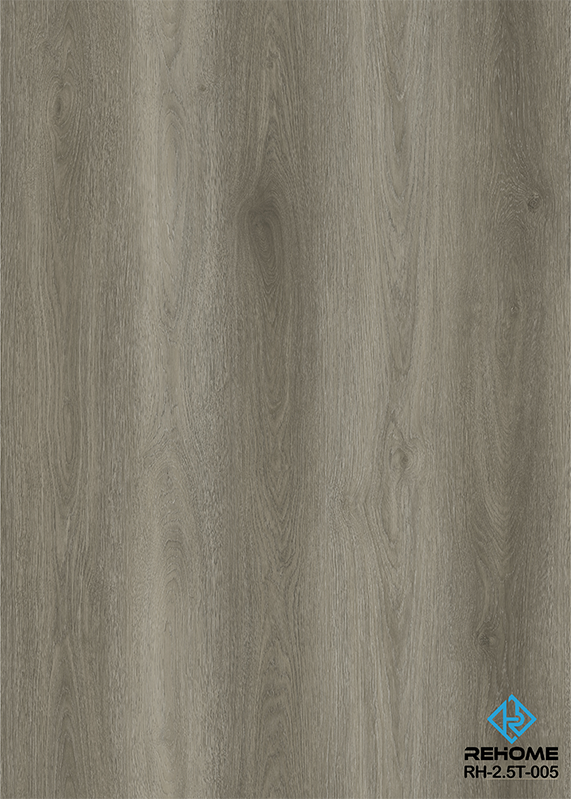
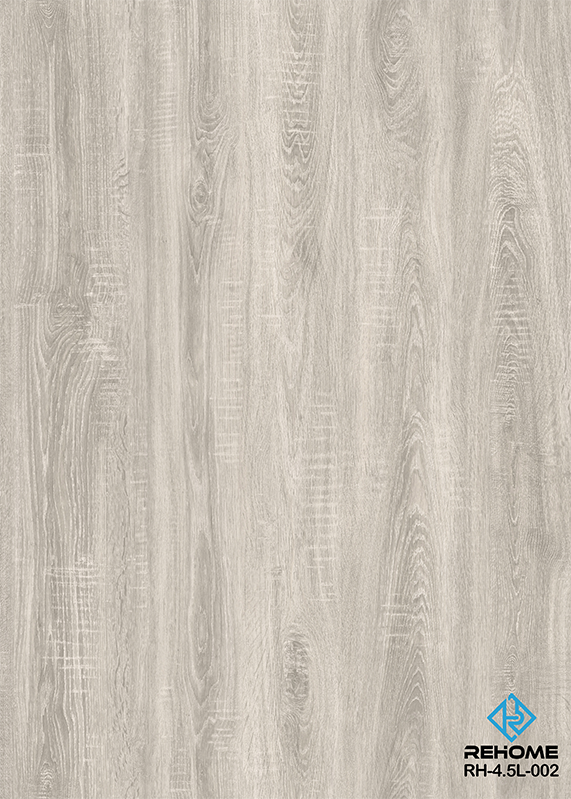
The PVC core is inherently waterproof, so the planks themselves do not swell. The main risk in wet areas is water passing through seams. Full-surface adhesive plus proper seam sealing helps prevent that. Some dryback products are supplied in larger sheet format to limit seam exposure. For a bathroom or laundry room that needs broad coverage, the Canvas Collection waterproof LVT dryback sheet flooring uses wider formats that reduce the number of seams and simplify water management.
 Wholesale Canvas Collection Waterproof LVT Dryback Sheet Flooring Suppliers, OEMWuxi Re-Home New Materials Co., Ltd Is top China Wholesale OEM Canvas Collection Waterproof LVT Dryback Sheet Flooring Suppliers and Fac...View Product →
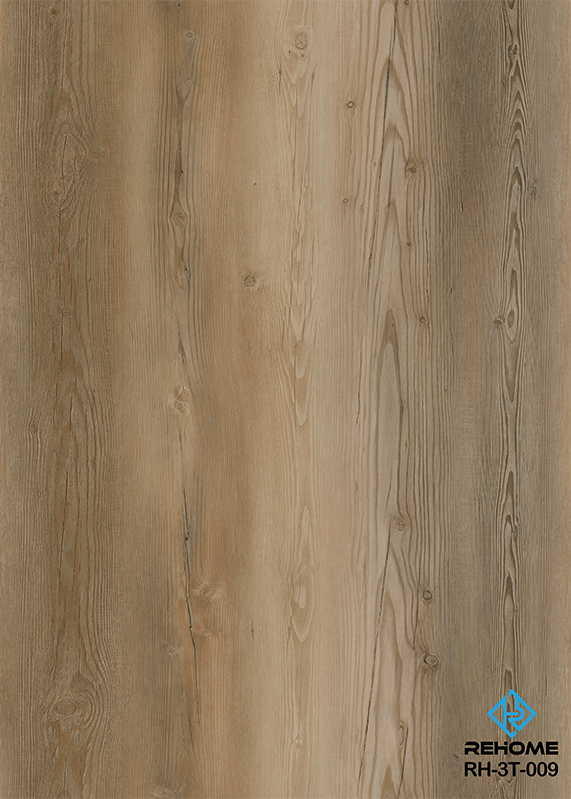
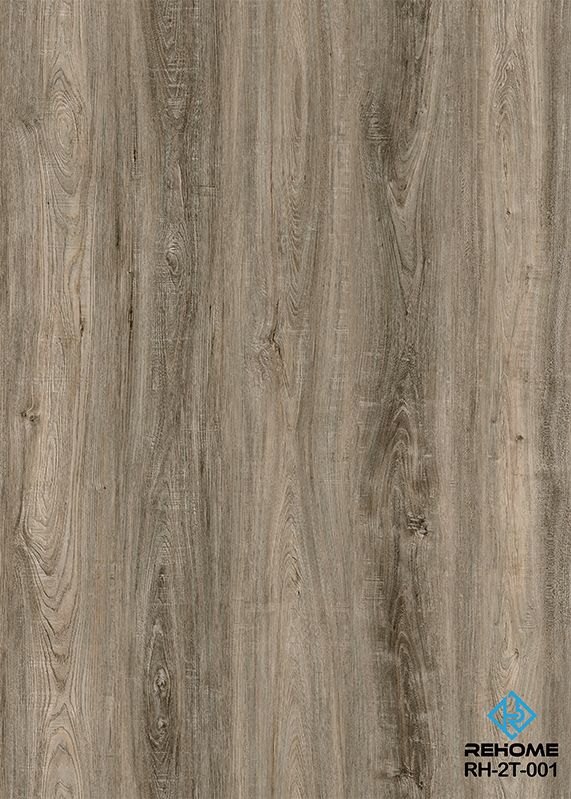
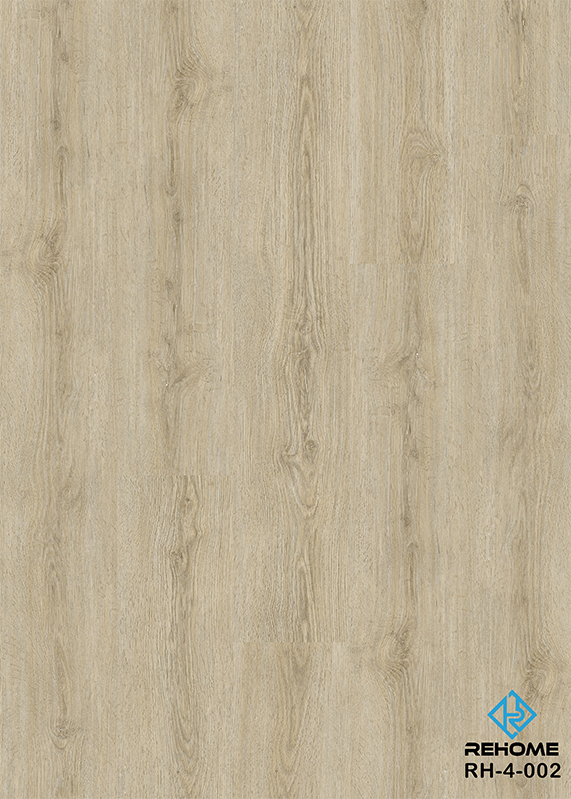
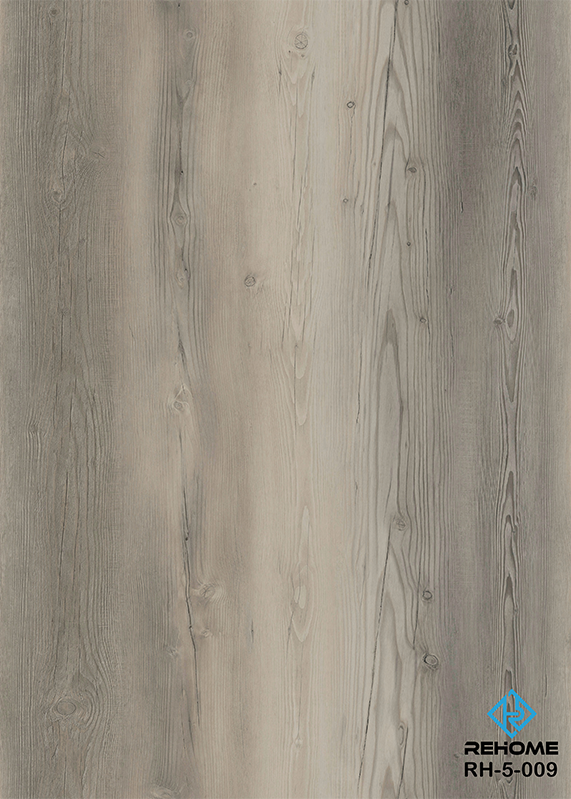
Dryback LVT can be embossed to mirror wood grain, stone, and concrete textures. Because there is no locking profile, manufacturers can cut planks into more sizes and shapes. This flexibility is useful when you need a custom border, a herringbone pattern, or a commercial space that requires coordinated tile and plank lines.
Dryback LVT is typically lighter and less expensive per square meter than rigid-core click flooring, and it does not need an attached underlayment because the adhesive handles load transfer. For large installations, this can add up to meaningful savings on materials and freight.
Glue-down installation requires trained hands, calibrated trowels, and a heavy roller. If the crew spreads too much adhesive, the open time is lost; if they wait too long, the adhesive film loses tack. The product itself is forgiving, but the installation quality is not.
Many dryback LVT warranties require flatness within 3 mm over a 2-meter straightedge, and the subfloor must be clean, dry, and free of curing compounds. Moisture vapor emission should be tested before installation, because the adhesive is a moisture-sensitive layer. Skipping this step is the most common cause of bond failure.
If a deep scratch or heavy dent damages one tile, you cannot simply lift it. You need to cut around the damaged area, scrape up the adhesive, and glue in a replacement. The repair is durable, but it is a permanent installation by nature. For temporary-use spaces, a floating floor is more practical.
The floor may look finished, but it must stay clean and protected while the adhesive cures. Foot traffic is often restricted for 24 hours, and full curing can take several days. In a renovation where the space must reopen quickly, this delay should be built into the schedule.
Each installation format changes the way the floor behaves on site. The table below summarizes the trade-offs for the three main LVT systems.
| Criterion | Dryback LVT | Click-Lock LVT | Loose-Lay LVT |
|---|---|---|---|
| Installation method | Full-surface adhesive | Floating system with mechanical lock | Floating system with friction backing |
| Stability under rolling loads | Highest | Moderate | Moderate to high |
| Subfloor tolerance | Very demanding | Moderate | Moderate |
| Repair and replacement | Difficult | Easy | Easy |
| Best fit | Permanent commercial or residential interiors | DIY and floating renovations | Fast relocatable installations |
| Relative material cost | Moderate | Higher due to locking layers | Moderate |
Dryback wins when the substrate is stable and the floor needs to act as one solid membrane. Click-lock wins for DIY or wood subfloor projects where floating is preferred. Loose-lay sits in between, with faster installation but less rigid seams. The product formulation also changes the comparison. Our guide to LVT vs SPC flooring explains why core material matters just as much as installation format.
Check moisture vapor emission, slab pH, and flatness. Fill cracks, grind high points, and vacuum all dust. Acclimate the vinyl and adhesive at 18–29°C for at least 24 hours before work. A well-prepared subfloor determines how well the adhesive can transfer to the backing.
Select an adhesive that matches the subfloor and the plank format. Pressure-sensitive acrylic adhesives cover most concrete and plywood substrates; two-part polyurethane adhesives are often used in wet areas. Allow the adhesive to reach the correct tack stage. Most products need 10–20 minutes of open time and a working window of roughly 45 minutes. If the glue skims over, do not push the plank in; that section should be reworked.
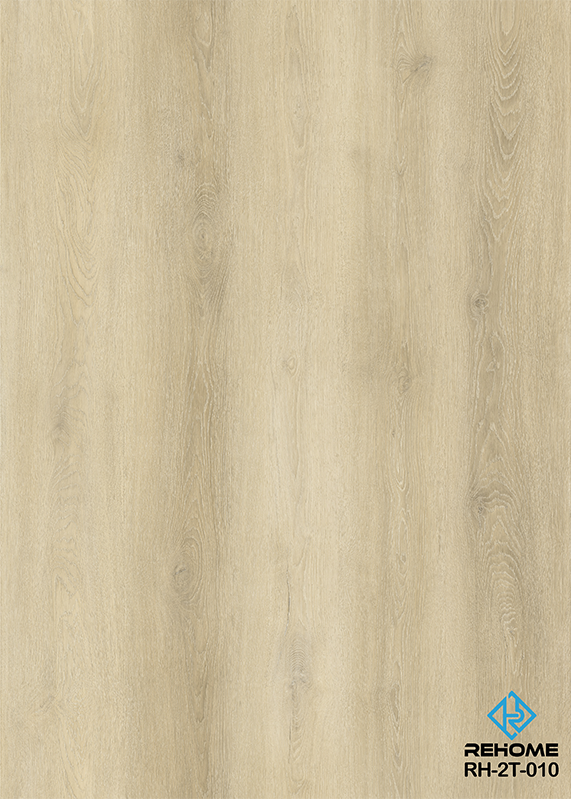
Use a 100-pound roller, first in one direction and then in the other. Roll again after the initial set. Keep heavy traffic and wet mopping off the floor until the adhesive has cured. A product with precise backing flatness, such as the Muse Collection easy-installation luxury vinyl dryback LVT, also helps installers achieve full adhesive contact without future hollow spots. For a complete sequence, follow the steps in our standard gluedown installation guide for dryback LVT.
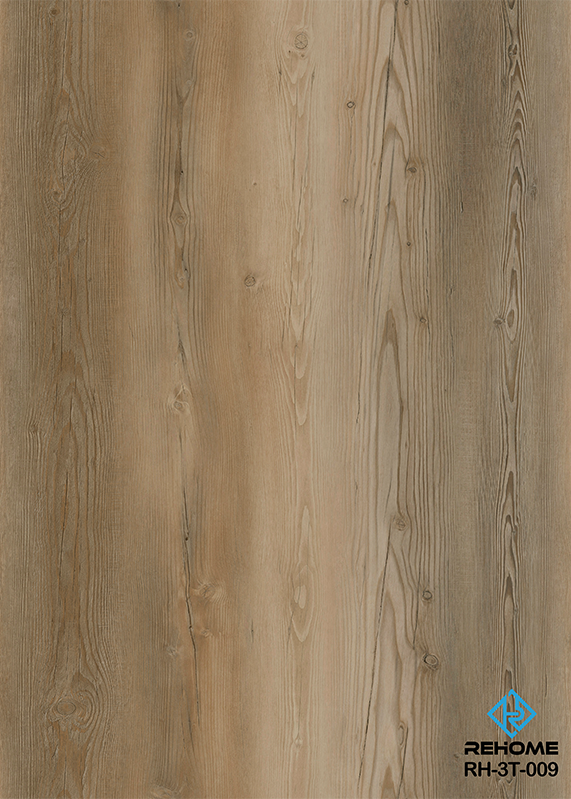 Wholesale Muse Collection Easy Installation Luxury Vinyl Dryback LVT Flooring SupplierWuxi Re-Home New Materials Co., Ltd Is top China Wholesale OEM Muse Collection Easy Installation Luxury Vinyl Dryback LVT Flooring Suppli...View Product →
Residential dryback LVT often carries a 0.3–0.5 mm wear layer; commercial specification usually starts at 0.5 mm and goes up to 0.7 or 0.9 mm. Total thickness influences dent resistance. Check indentation recovery under a static load and ask for test data rather than relying on marketing names.
Healthcare, education, and high-rise residential projects typically require certified fire ratings. Depending on the format, dryback LVT can meet national fire classes such as EN 13501-1 or ASTM E648. A product designed for stricter fire-rated spaces, such as the Elements Collection fireproof vinyl plank flooring, can simplify project approval.
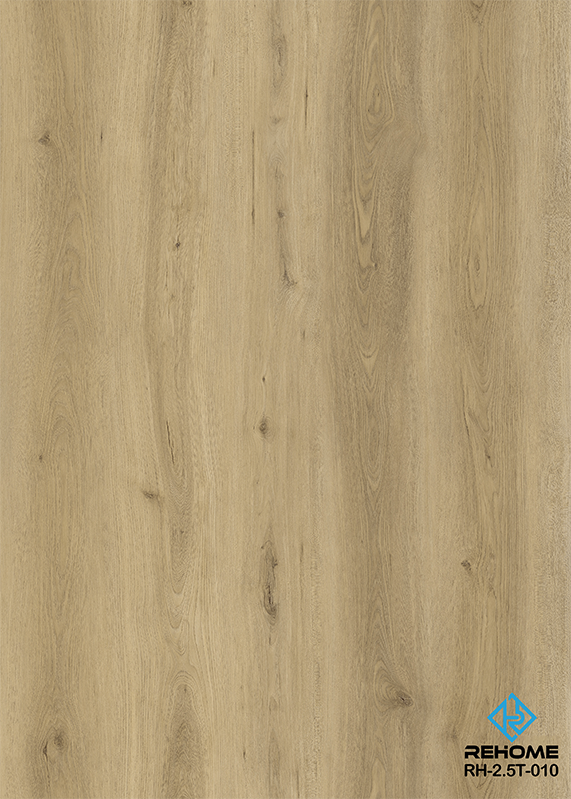 Wholesale Elements Collection Fireproof Vinyl Plank Flooring Suppliers, OEM FactoryWuxi Re-Home New Materials Co., Ltd Is top China Wholesale OEM Elements Collection Fireproof Vinyl Plank Flooring Suppliers and Factory,T...View Product →
Ask for the technical data sheet, installation manual, warranty certificate, and test reports. A supplier with consistent export documentation will save delays at customs and on site. Also request cut samples and a full plank sample, because photos cannot show backing density or adhesive transfer.
Dryback LVT is a default choice for offices, retail stores, clinics, schools, and apartment corridors where the concrete slab is stable and the floor will remain in place for years. In homes, it suits kitchens, basements, entryways, and main-level rooms where a floating floor might feel too springy. Once installed, routine care is simple: dry mopping and damp mopping with a vinyl-specific cleaner. For a deeper approach, read our guide on maintaining commercial-grade LVT flooring.
Choose dryback LVT when the substrate is sound, the installation will be done by professionals, and the project needs a permanent, stable, waterproof floor. Avoid it when the floor plan changes often, the subfloor has movement, or the installation timeline is extremely tight.
The strongest projects combine a well-prepared substrate, a tested adhesive, and verified product quality. With those three conditions in place, dryback LVT is one of the most reliable flooring investments you can make.
FEEL FREE TO ASK US IN ANY OF YOUR NEED

 East Royal Building, Jiefang East Road, Yixing City, Jiangsu Province, China.
QUICK LINKS
Home Products About Re-Home Services News Contact Us Privacy
WHAT’S NEWS
Copyright © Wuxi Re-Home New Materials Co.,Ltd. Rights Reserved.