English
 Español
 Français
Home / News / Industry News / What advantages do non-plastic wall panels have over traditional plastic ones?
Industry News

Content
Non-plastic wall panels are the optimal, eco-friendly, and long-lasting alternative to plastic-based wall decoration materials. They completely eliminate harmful plastic additives and volatile organic compounds, deliver superior physical performance, adapt to diverse indoor and outdoor environments, and align with global green building and healthy living trends. For both residential and commercial projects, choosing non-plastic wall panels means investing in a safe, durable, aesthetically pleasing, and environmentally responsible wall solution.
Unlike plastic wall panels that rely on synthetic polymer raw materials, non-plastic wall panels use natural, renewable resources, mineral materials, or bio-based composite materials as core raw materials. They do not produce plastic micro-pollutants during production, use, or disposal, and they avoid common problems of plastic materials, such as deformation under heat, aging, fading, and harmful substance release. In terms of practicality, environmental protection, safety, and service life, non-plastic wall panels surpass traditional plastic wall panels in all aspects, making them the first choice for modern wall decoration.
Non-plastic wall panels cover a wide variety of material systems, all of which exclude plastic polymer components and maintain high stability and decorative performance. The following are the most widely used and recognized material categories in the global market.
Made from pure natural wood fibers, bamboo fibers, and plant binders, these panels retain the texture and breathability of natural plants. They are lightweight, easy to process, and have excellent sound absorption and thermal insulation effects. A large number of public building projects show that natural wood fiber non-plastic wall panels can improve indoor acoustic comfort by over 30% compared with plastic wall panels.
This type of panel uses natural minerals such as diatomite, perlite, gypsum, and stone powder as main raw materials. It has fire resistance, moisture resistance, and formaldehyde adsorption functions, and is very suitable for wet environments such as bathrooms and basements. Its service life can reach more than 20 years under normal use conditions, far longer than the average life of plastic wall panels.
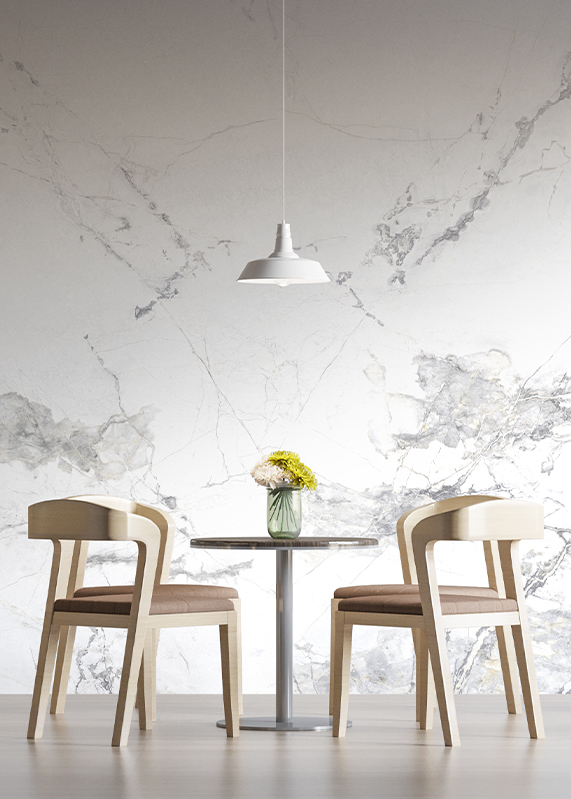
Using natural marble, granite, or slate fragments combined with inorganic binders, these panels present high-grade texture and hardness. They are resistant to scratches, corrosion, and UV radiation, and will not deform or fade even in outdoor or direct sunlight areas. They are widely used in high-end commercial spaces and exterior wall decorations.
As a new type of environmentally friendly material, bio-based composite panels use crop straw, bagasse, palm fiber, and other agricultural and forestry wastes as raw materials. They turn waste into treasure, reduce resource waste, and have stable performance and diverse styles. They are representative products of the circular economy in the decoration industry.
Made by mixing inorganic fibers such as glass fiber and mineral wool with inorganic cementitious materials, these panels have excellent fire performance and structural strength. Most of them can reach the highest fire protection grade, meeting the strict safety standards of hospitals, schools, office buildings, and other public places.
Compared with plastic wall panels, non-plastic wall panels have obvious advantages in environmental protection, safety, durability, and practicality. These advantages directly determine the comfort, safety, and cost-effectiveness of indoor spaces.
Plastic wall panels often contain plasticizers, flame retardants, and other chemical additives, which will release volatile organic compounds for a long time, especially in high-temperature environments. Non-plastic wall panels do not contain any plastic components, do not release formaldehyde, benzene, or plastic micro-particles, and are safe for the elderly, children, and people with allergies. Environmental testing data shows that the harmful substance emission of non-plastic wall panels is close to zero, fully meeting the requirements of healthy buildings.
Plastic materials are easy to soften, expand, or warp when exposed to heat, which seriously affects the appearance and service life. Non-plastic wall panels have excellent thermal stability. Even in high-temperature indoor environments such as kitchens and direct sunlight rooms, they will not produce obvious deformation, maintaining the flatness and integrity of the wall surface for a long time.
Most plastic wall panels are flammable and will produce toxic smoke when burned, bringing huge safety risks. The vast majority of non-plastic wall panels are non-combustible or flame-retardant materials, which can effectively block the spread of fire and do not produce toxic smoke. This is an irreplaceable advantage for public places with high safety requirements.
In humid climates or wet spaces, plastic wall panels are prone to condensation and mold growth, which is harmful to indoor health. Non-plastic wall panels have natural or modified moisture-proof properties, can adapt to high-humidity environments, effectively inhibit mold and bacteria growth, and keep the indoor environment clean and hygienic.
The average service life of non-plastic wall panels is 2 to 3 times that of plastic wall panels. They are resistant to aging, fading, scratching, and impact, and do not need frequent replacement. Daily maintenance only needs simple wiping, without special cleaning agents or protective measures, greatly reducing the later maintenance cost and time cost.
| Evaluation Items | Non-plastic Wall Panels | Plastic Wall Panels |
|---|---|---|
| Raw Material Composition | Natural minerals, plant fibers, inorganic materials | Synthetic polymers, plastic additives |
| Environmental Safety | Non-toxic, zero harmful emissions | Contains volatile additives |
| Fire Resistance | High flame retardant / non-combustible | Flammable, produces toxic smoke |
| Thermal Stability | No deformation at high temperatures | Easy to soften and warp |
| Service Life | Long (over 15 years) | Short (5-8 years) |
Non-plastic wall panels have strong adaptability and can be used in almost all indoor and partial outdoor decoration scenarios. Their performance advantages are fully utilized in different environments, providing safe and beautiful wall solutions for various spaces.
In family environments such as living rooms, bedrooms, studies, and children's rooms, non-plastic wall panels are the most ideal choice. They ensure indoor air safety, reduce noise interference, and create a warm, comfortable, and healthy home environment. For families with babies, pregnant women, or family members with allergies, non-plastic wall panels are almost a necessary decoration material.
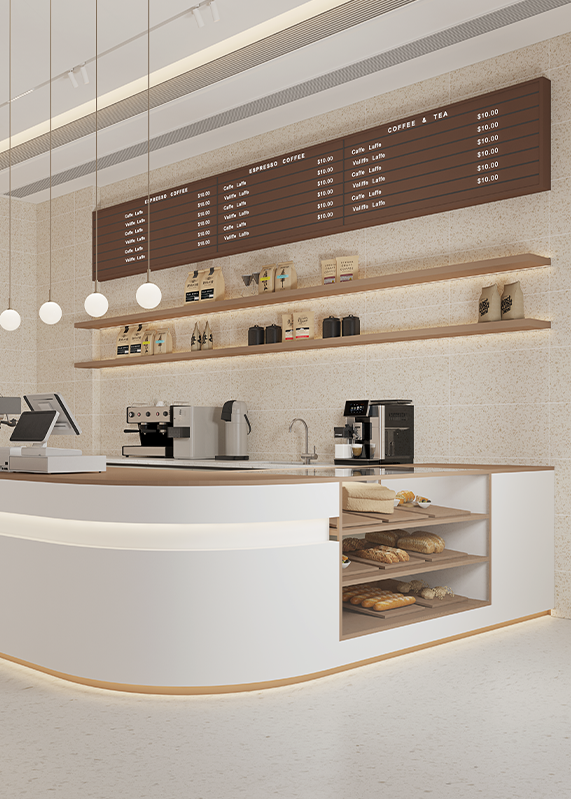
Office buildings, shopping malls, hotels, restaurants, and other commercial spaces have high requirements for decoration materials' safety, durability, and aesthetics. Non-plastic wall panels meet fire protection standards, have a long service life, rich styles, and can adapt to high-traffic environments. They will not be easily damaged and reduce the frequency of renovation and replacement.
Hospitals, schools, nursing homes, kindergartens, and other facilities have strict standards for indoor environmental safety. Non-plastic wall panels do not release harmful substances, inhibit bacteria growth, are easy to disinfect and clean, and fully meet the health and safety requirements of such special places.
High-strength non-plastic wall panels such as mineral and stone composite types can be used in outdoor corridors, balcony walls, exterior wall local decorations, and other positions. They are resistant to sunlight, rain, and climate change, maintaining stable performance and good appearance for a long time.
The installation of non-plastic wall panels is simple and standardized, and professional construction personnel can complete it efficiently. Correct installation steps can ensure the firmness, flatness, and service life of the panels.
First, check the wall condition to ensure that the base wall is flat, dry, and free of oil and dust. Measure the wall area accurately, calculate the number of panels required, and prepare matching installation accessories such as keels and adhesives. All materials should be placed in the construction environment in advance to adapt to the temperature and humidity and avoid deformation caused by environmental changes after installation.
It is recommended to use special inorganic adhesives matching non-plastic wall panels to avoid chemical reactions between ordinary adhesives and panel materials. Reserve appropriate expansion gaps during installation to adapt to slight dimensional changes caused by temperature and humidity. Avoid heavy impact on the panels during construction to prevent surface damage or internal cracks.
Non-plastic wall panels are very easy to maintain, and simple daily care can keep them in good condition and extend their service life.
For daily dust and stains, use a soft dry cloth, feather duster, or vacuum cleaner to clean. For oil stains, water stains, and hand prints, wipe with a soft cloth dipped in neutral cleaning agent and then dry with a clean cloth. Do not use strong acid, strong alkali, or abrasive cleaning products to avoid damaging the panel surface.
Avoid sharp objects scratching and heavy impact on the panel surface. For panels used in wet areas, keep indoor ventilation properly to reduce long-term moisture accumulation. In areas with direct sunlight, ordinary curtains can be used to reduce long-term direct sunlight, which helps maintain color stability.
Check the firmness of the panels and the integrity of the sealant every 1 to 2 years. If the sealant is aging or falling off, replace it in time to maintain moisture-proof and aesthetic effects. Non-plastic wall panels do not need regular painting or waxing, and only need simple cleaning to maintain a new appearance for a long time.
With the global emphasis on ecological environment and sustainable development, the environmental protection value of non-plastic wall panels has become one of its core advantages, bringing positive impacts to the entire decoration industry and ecological environment.
The production of plastic wall panels consumes a lot of petroleum resources, and a large amount of plastic waste is difficult to degrade, causing long-term pollution to soil and water sources. Non-plastic wall panels use renewable or naturally abundant raw materials, do not produce plastic waste, and reduce the consumption of non-renewable resources. The wide application of non-plastic wall panels can effectively reduce the carbon emission of the decoration industry by more than 40%.
Modern green building standards clearly require the use of low-carbon, non-toxic, and recyclable decoration materials. Non-plastic wall panels fully meet these requirements and have become standard materials for green building certification. They protect indoor air quality, safeguard people's physical health, and realize the real sense of healthy living.
Many non-plastic wall panels use agricultural and forestry wastes such as straw and bagasse as raw materials, realizing resource recycling. This model not only reduces environmental pollution caused by waste incineration or stacking but also improves the added value of agricultural and forestry by-products, driving the development of the circular economy in the entire industrial chain.
Choosing high-quality non-plastic wall panels requires focusing on material authenticity, performance indicators, environmental protection certification, and processing technology to avoid buying inferior products.
High-quality non-plastic wall panels must have formal environmental protection test reports, including harmful substance emission testing, fire performance testing, etc. Certified products can ensure safety and reliability, and are the primary basis for selection.
Genuine non-plastic wall panels have uniform texture, flat surface, no cracks, no bubbles, and precise cutting edges. Inferior products often have rough surface, uneven thickness, and loose internal structure, which affect the use effect and service life.
Choose appropriate material types according to the use environment: choose moisture-proof and mildew-proof types for wet spaces, choose high fire-proof grade types for public spaces, and choose soft and sound-absorbing plant fiber types for residential spaces. Matching materials with scenarios can maximize performance advantages.
High-quality non-plastic wall panels are equipped with matching installation accessories and professional construction guidelines. Complete supporting services can ensure installation quality and avoid problems such as loose fixation and poor flatness caused by mismatched accessories.
As global environmental protection policies continue to strengthen and consumers' demand for healthy living increases, non-plastic wall panels will become the mainstream of wall decoration materials in the future, with obvious development trends.
More new bio-based materials, recycled mineral materials, and plant composite materials will be applied to non-plastic wall panels, further improving performance and reducing production costs. The material system will be more diverse and adaptable to more complex environments.
Future non-plastic wall panels will integrate more functions such as formaldehyde decomposition, negative ion release, thermal insulation, and sound absorption, transforming from single decorative materials to multi-functional healthy materials. They will better meet the needs of smart homes and healthy buildings.
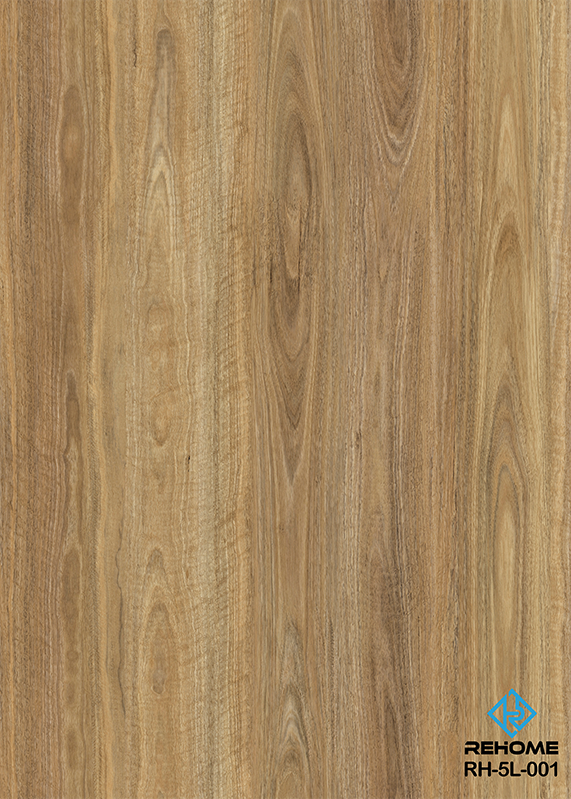
The surface texture, color, and style of non-plastic wall panels will be more personalized, simulating natural textures such as wood, stone, and fabric, and meeting personalized decoration needs. Customized production will become more popular, adapting to various architectural styles and space designs.
With the improvement of cost performance and the enhancement of environmental awareness, non-plastic wall panels will gradually replace plastic wall panels and become the first choice for global residential and commercial decoration. Their market share will increase year by year, leading the transformation and upgrading of the wall decoration industry.
FEEL FREE TO ASK US IN ANY OF YOUR NEED

 East Royal Building, Jiefang East Road, Yixing City, Jiangsu Province, China.
QUICK LINKS
Home Products About Re-Home Services News Contact Us Privacy
WHAT’S NEWS
Copyright © Wuxi Re-Home New Materials Co.,Ltd. Rights Reserved.