English
 Español
 Français
Home / News / Industry News / What can be done about moldy and peeling walls? Can digitally printed wall panels solve this problem once and for all?
Industry News

Digital printing wall panels represent a paradigm shift in interior architecture and design, offering an unprecedented combination of aesthetic flexibility, structural integrity, and installation efficiency. Unlike traditional wall coverings that are limited by repetitive patterns, high maintenance requirements, or susceptibility to environmental damage, digital printing technology allows for the seamless translation of any high-resolution digital artwork onto durable architectural substrates. This method effectively bridges the gap between bespoke artistic vision and scalable commercial production. By integrating advanced UV-cured or eco-solvent inks with robust materials such as PVC, WPC, or metal composites, these panels deliver a solution that is not only visually striking but also inherently resistant to wear, moisture, and fading. For both residential and commercial applications, they provide a definitive answer to the demand for personalized, impactful, and long-lasting interior environments.
Understanding the underlying technology and material composition of digital printing wall panels is essential for evaluating their performance and application suitability. The process relies on sophisticated large-format digital printers that directly apply specialized inks onto the panel surface. This is not merely a surface-level decal or a laminated photograph; the ink is typically cured instantly using ultraviolet (UV) light, which bonds the pigment directly to the substrate at a molecular level. This UV-curing process ensures that the printed image becomes an integral part of the panel, providing exceptional resistance to scratching, chemical exposure, and ultraviolet degradation.
The quality and durability of the final product are heavily influenced by the specific printing technology employed. The two dominant methods in the architectural panel industry are UV-curable printing and eco-solvent printing.
The physical foundation of the wall panel dictates its structural performance, fire resistance, and application scope. Digital printing can be applied to a wide variety of architectural substrates.
| Substrate Material | Key Characteristics | Primary Application |
|---|---|---|
| PVC / Vinyl Composite | Waterproof, lightweight, high flexibility | Bathrooms, kitchens, hospitality |
| WPC (Wood Plastic Composite) | Structural rigidity, thermal insulation | Living rooms, corporate offices |
| MDF / HDF | Smooth finish, acoustic dampening | Conference rooms, retail displays |
| Aluminum Composite | Fireproof, extreme impact resistance | Exteriors, high-fire-risk interiors |
The selection of the correct substrate is a critical decision that balances the environmental conditions of the installation site with the desired aesthetic and structural outcomes. For instance, a PVC-based panel is virtually impervious to water, making it an ideal choice for wet areas where traditional materials would inevitably degrade.
The transition from conventional wall finishes—such as painted drywall, wallpaper, or ceramic tiles—to digital printing wall panels is driven by a host of measurable advantages that impact both the initial installation phase and the long-term maintenance lifecycle of the interior space.
The most immediate benefit of digital printing technology is the absolute elimination of design constraints. Traditional wallpaper relies on rotary printing, which inherently limits the scale and complexity of the pattern due to the physical limitations of the printing cylinder. Digital printing, by contrast, operates on a pixel-by-pixel basis. This means that virtually any high-resolution digital file can be reproduced at architectural scales without repetition. A single photograph, a complex geometric algorithm, or a hyper-realistic texture can be printed across an entire wall seamlessly. Furthermore, the color gamut available in modern digital printers far exceeds that of traditional dyes, allowing for precise color matching and the reproduction of subtle gradients that are impossible with analog methods.
While the initial material cost of digital printing wall panels may be higher than that of standard paint or low-end wallpaper, the total cost of ownership over the lifespan of the installation is significantly lower. Painted surfaces chip, fade, and require frequent re-coating. Wallpaper peels at the seams and is highly susceptible to moisture damage. Digital printing wall panels, however, are engineered for longevity. The combination of a rigid or semi-rigid substrate and a UV-cured surface means that these panels resist scratching, denting, and fading. In high-traffic commercial environments, this durability translates directly into reduced maintenance downtime and lower long-term refurbishment costs. The panels can be cleaned with standard non-abrasive cleaning agents without risking damage to the underlying image, making them highly suitable for healthcare and hospitality settings where strict hygiene protocols are enforced.
Beyond aesthetics, digital printing wall panels offer functional performance benefits that traditional flat walls cannot provide. The structural composition of the panels—particularly those made from WPC or specialized acoustic MDF—introduces a thermal break and a sound-dampening mass to the wall assembly. The air gaps often incorporated into tongue-and-groove paneling systems further enhance these insulative properties. By installing these panels, a space can achieve a noticeable reduction in ambient noise transmission and an improvement in thermal retention, contributing to a more comfortable interior environment and potentially lowering heating and cooling energy consumption.
The practical implementation of digital printing wall panels requires strategic design thinking to maximize their visual impact and functional utility. The technology's versatility allows it to be leveraged across a broad spectrum of interior design disciplines, from residential renovations to large-scale commercial architecture.
In the hospitality sector, creating a memorable and immersive guest experience is paramount. Digital printing wall panels enable hotel lobbies, restaurants, and boutique retail spaces to establish a unique brand identity through environmental storytelling. Instead of relying on generic artwork, a restaurant can feature floor-to-ceiling imagery of the local landscape or an abstract representation of their culinary philosophy. In retail, these panels are used to create dynamic, seasonal displays that can be updated as trends change. Because the panels are durable and easily cleaned, they withstand the rigors of high foot traffic while maintaining a pristine, high-end appearance that reinforces brand value.
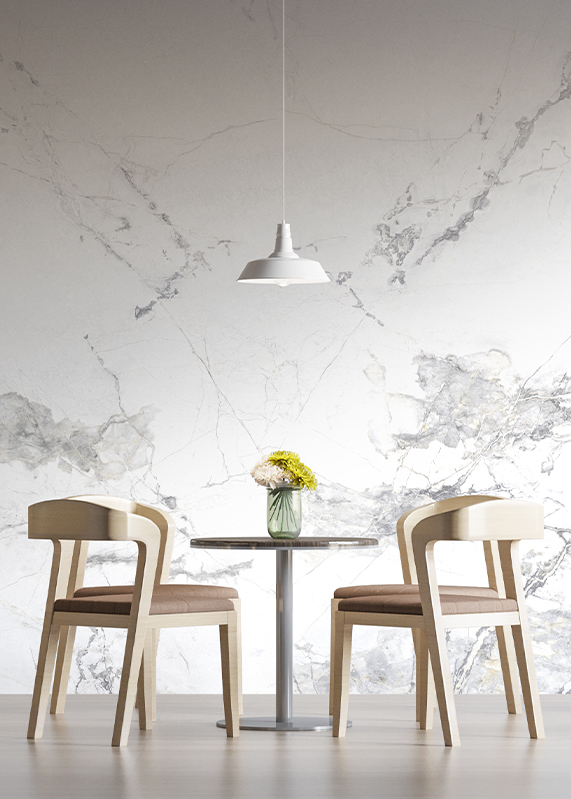
Modern corporate office design increasingly emphasizes employee well-being and productivity. One of the most effective strategies for achieving this is the integration of biophilic design principles—connecting building occupants more closely to nature. Digital printing wall panels are the perfect medium for this application. High-resolution images of natural textures, such as dense forest canopies, flowing water, or intricate marble veining, can be applied to large wall surfaces, effectively breaking the monotony of sterile office environments. Research indicates that incorporating natural visual elements into the workspace can significantly reduce occupant stress and improve cognitive function, making these panels a strategic investment in human capital rather than a mere decorative expense.
For residential applications, digital printing wall panels offer homeowners the ability to achieve a level of personalization that was previously only accessible to custom muralists. Whether it is a striking geometric accent wall in a living room, a calming seascape in a master bathroom, or a vibrant, educational world map in a child's playroom, the panels function as both a protective wall covering and a piece of bespoke art. The ease of installation also makes them a favored choice for quick renovation projects. Homeowners can completely transform the character of a room without the dust, debris, and extended timelines associated with traditional plastering and painting.
The performance of a digital printing wall panel system is only as good as its installation. Proper methodology ensures structural stability, visual alignment, and long-term durability. While specific procedures vary depending on the substrate and manufacturer guidelines, the fundamental principles of wall preparation, alignment, and fastening remain consistent.
Before any panels are installed, the existing wall surface must be thoroughly assessed and prepared. The wall must be structurally sound, dry, and free of any loose debris, old adhesive, or flaking paint. Any irregularities in the flatness of the wall will telegraph through the panels, potentially causing misalignment at the seams or an uneven visual finish. If the wall is significantly uneven, a leveling compound or a timber batten framework may need to be installed to create a true, plumb surface. Moisture testing is also critical, particularly in basements or rooms adjacent to plumbing, as trapped moisture behind impermeable panels can lead to mold growth.
The method used to attach the panels to the wall depends largely on the panel type and the substrate material. The most common techniques include mechanical fastening, adhesive bonding, and integrated clipping systems.
As the architecture and design industries place a greater emphasis on sustainability, the environmental footprint of building materials, including digital printing wall panels, comes under scrutiny. The production, use, and disposal of these panels involve complex ecological considerations, but the industry has made significant strides in developing more sustainable practices.
Historically, the printing industry relied heavily on solvent-based inks that released high levels of Volatile Organic Compounds (VOCs) into the atmosphere during the curing process. These compounds contribute to indoor air pollution and can have adverse health effects on building occupants. Today, the standard for high-quality digital wall panels has shifted toward UV-curable and latex-based inks, which are virtually free of VOCs. These modern ink formulations do not require solvents to carry the pigment, and the UV curing process ensures that no harmful gases are released after installation. This makes digital printing wall panels safe for use in sensitive environments such as hospitals, schools, and residential nurseries.
The sustainability of the panel substrate is another critical factor. Panels made from pure PVC present environmental challenges regarding disposal, as they do not biodegrade and can release harmful dioxins if incinerated. However, the industry is increasingly utilizing recycled plastics and wood fibers in the manufacturing of WPC and composite panels. By diverting waste from landfills and incorporating it into durable building products, the overall environmental impact is reduced. Furthermore, at the end of their lifecycle, panels made from single-polymer materials, such as pure aluminum or specific grades of recyclable plastic, can be processed through standard recycling streams, contributing to a circular economy model.
One of the defining characteristics of digital printing wall panels is their low-maintenance nature. However, to ensure the longevity of both the printed image and the structural panel, a systematic approach to cleaning and maintenance must be observed. Proper care prevents the degradation of the UV-cured surface and maintains the vibrancy of the printed design.
For routine maintenance, the primary goal is the removal of dust, fingerprints, and superficial dirt without abriding the printed surface. It is recommended to use a soft, lint-free microfiber cloth. Dry dusting is typically sufficient for regular upkeep. When more thorough cleaning is required, the cloth can be dampened with clean, lukewarm water. If a cleaning agent is necessary, it must be a pH-neutral, non-abrasive liquid soap. Harsh chemical solvents, scouring powders, and bleach-based cleaners must be strictly avoided, as they can gradually degrade the UV-cured polymer layer, leading to a loss of gloss, color fading, or microscopic cracking of the printed surface.
While digital printing wall panels are highly resistant to impact and scratching, they are not entirely indestructible. In the event of localized physical damage—such as a deep scratch or a dent caused by a heavy impact—the repair strategy depends on the panel type. For minor surface abrasions, specialized touch-up inks or clear coats can be applied, though exact color matching can be challenging. For more severe structural damage, the modular nature of the paneling system is advantageous. If the panels were installed using a mechanical or clipping system, the damaged panel can be carefully removed and replaced with a new one printed from the same digital file, ensuring a perfect, seamless repair without the need to refinish the entire wall.
FEEL FREE TO ASK US IN ANY OF YOUR NEED

 East Royal Building, Jiefang East Road, Yixing City, Jiangsu Province, China.
QUICK LINKS
Home Products About Re-Home Services News Contact Us Privacy
WHAT’S NEWS
Copyright © Wuxi Re-Home New Materials Co.,Ltd. Rights Reserved.